
US President Donald Trump has said he will impose new tariffs on South Korean imports, accusing Seoul of delaying progress on a bilateral trade agreement and failing to deliver what he described as fair and reciprocal terms.
Tariff threat escalates trade rhetoric
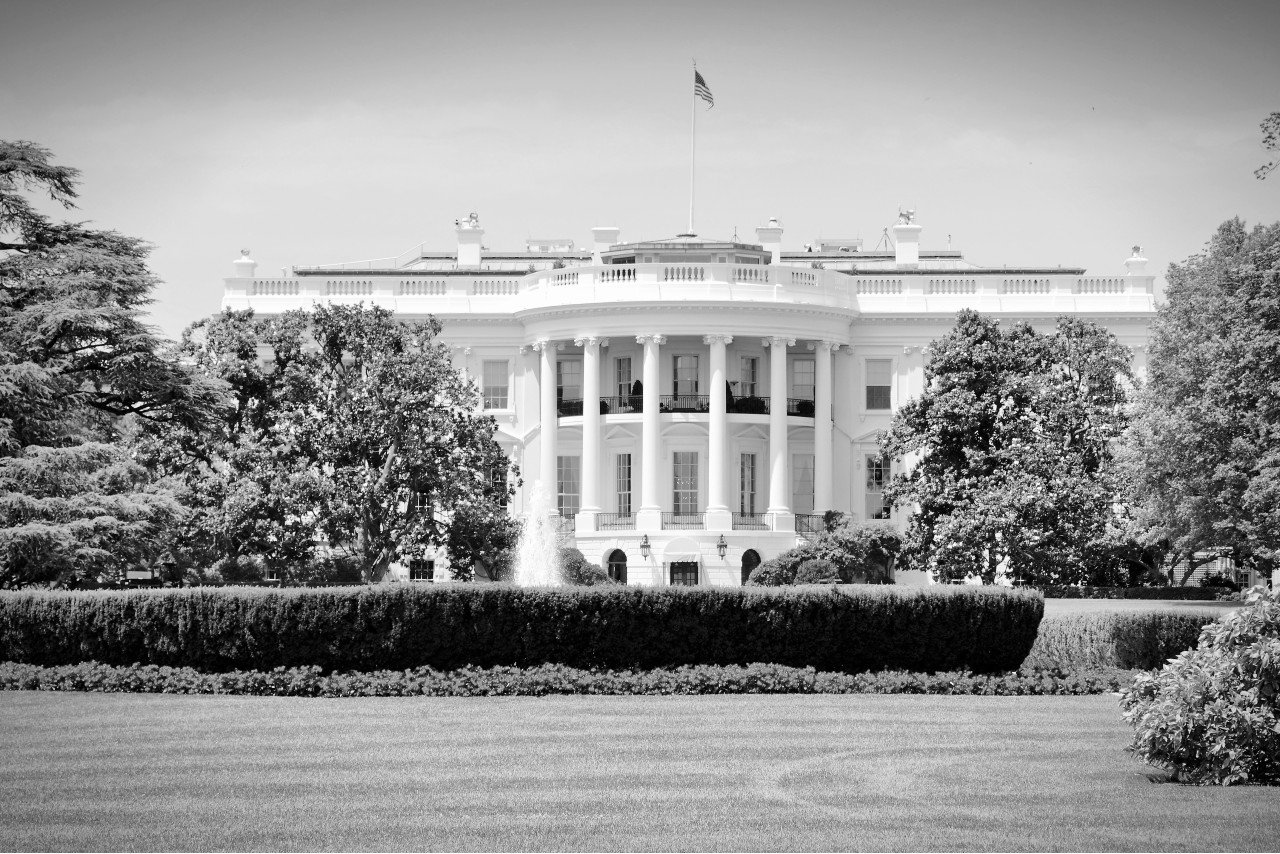
Speaking from the White House, President Trump said his administration was prepared to act unilaterally if negotiations with South Korea do not advance more quickly. He argued that existing trade arrangements no longer reflect economic realities and claimed that prolonged discussions have produced limited concrete results. According to Trump, tariffs remain a legitimate tool to protect US industry and rebalance trade flows.
Criticism focused on negotiation delays
The President pointed to what he characterised as repeated postponements and procedural slowdowns in trade talks. He suggested that key sectors, including automobiles, steel and advanced manufacturing, continue to face barriers that disadvantage American producers. Trump said patience within his administration was “running out” and warned that further delays would trigger immediate trade measures.

Economic and market implications
South Korea is a major exporter of vehicles, electronics and industrial components to the United States, making any tariff action economically significant. Analysts caution that new tariffs could raise costs for manufacturers and consumers while adding uncertainty to already strained global supply chains. Markets reacted cautiously to the remarks, reflecting concern over renewed trade volatility.
Diplomatic sensitivities with a key ally
The tariff warning introduces tension into a long-standing strategic alliance. South Korea is a critical US partner in Asia, both economically and in regional security matters. While trade disputes have emerged periodically in the past, the public nature of Trump’s criticism raises the stakes, potentially complicating diplomatic coordination beyond commerce.
Domestic political messaging
Trump’s comments also align with his broader economic agenda, which emphasises trade enforcement and protection of domestic manufacturing. Tariffs have been a central feature of his policy approach, resonating with voters who view global trade as uneven and detrimental to US jobs. The renewed focus on South Korea reinforces the administration’s willingness to challenge even close allies on economic grounds.
Response and strategic calculations in Seoul
For South Korean policymakers, the announcement presents a complex challenge. Balancing the need to maintain strong relations with Washington while defending export-driven growth will require careful negotiation. Officials are expected to push for dialogue to prevent escalation while assessing contingency plans should tariffs be implemented.
Outlook
Whether the tariff threat translates into formal policy will depend on the pace and outcome of negotiations in the coming weeks. However, Trump’s remarks underline a clear message: trade relationships will be judged by speed, outcomes and perceived fairness. For South Korea and other US partners, the prospect of renewed tariff pressure is once again firmly on the agenda.
Newshub Editorial in North America – 27 January 2026

If you have an account with ChatGPT you get deeper explanations,
background and context related to what you are reading.
Open an account:
Open an account
Recent Comments