
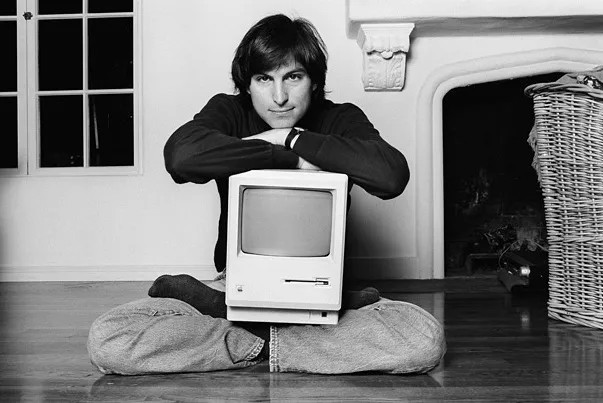
On 23 January 1984, Apple Inc. unveiled the Macintosh, a personal computer that would fundamentally redefine how humans interact with technology. Launched with unprecedented fanfare, the Macintosh was not merely a new product—it represented a philosophical shift in computing, placing usability, design, and accessibility at the centre of the digital experience.
A computer for people, not specialists
Until the early 1980s, personal computers were largely the domain of specialists, hobbyists, and corporate IT departments. Command-line interfaces dominated, requiring users to memorise instructions and syntax. The Macintosh challenged this orthodoxy by introducing a graphical user interface (GUI) controlled by a mouse, allowing users to interact with icons, windows, and menus in a visual and intuitive way. This approach dramatically lowered the barrier to entry and expanded computing beyond technical elites.
The technology behind the breakthrough
At its core, the original Macintosh—later known as the Macintosh 128K—featured a compact all-in-one design, a built-in screen, and software tightly integrated with the hardware. While its technical specifications were modest even by the standards of the day, the system’s elegance lay in how seamlessly its components worked together. Apple’s emphasis on end-to-end control marked a departure from the modular, component-driven PC market that was rapidly forming around IBM-compatible machines.

A launch that became cultural history
The Macintosh debut was closely linked to one of the most famous advertisements ever produced: Apple’s “1984” commercial, aired during the Super Bowl days earlier. Directed by Ridley Scott, the advert framed the Macintosh as a tool of individual empowerment, positioned against conformity and corporate dominance. By the time the product was formally introduced to the public, it had already acquired symbolic significance well beyond its technical merits.
Steve Jobs and the vision of design-led technology
The launch was inseparable from the influence of Steve Jobs, whose insistence on simplicity, aesthetics, and user experience permeated the Macintosh project. Jobs viewed technology as a liberal art, blending engineering with creativity. This mindset shaped not only the Macintosh but also Apple’s long-term corporate identity, establishing design as a strategic asset rather than a cosmetic afterthought.
Market impact and long-term legacy
Initially, the Macintosh faced commercial challenges, including limited memory and a relatively small software ecosystem. Yet its long-term influence proved decisive. The GUI paradigm it popularised became the industry standard, later adopted and expanded by competitors across the technology sector. Concepts first introduced with the Macintosh—drag-and-drop, desktop metaphors, and point-and-click navigation—remain foundational to modern operating systems.
From 1984 to today
More than four decades later, the Macintosh stands as a turning point in technological history. It reshaped expectations of what computers should be: approachable, personal, and human-centred. While hardware and software have evolved beyond recognition, the principles embedded in the 1984 Macintosh continue to guide product design across the digital economy.
Newshub Editorial in North America – 23 January 2026

If you have an account with ChatGPT you get deeper explanations,
background and context related to what you are reading.
Open an account:
Open an account
Recent Comments