
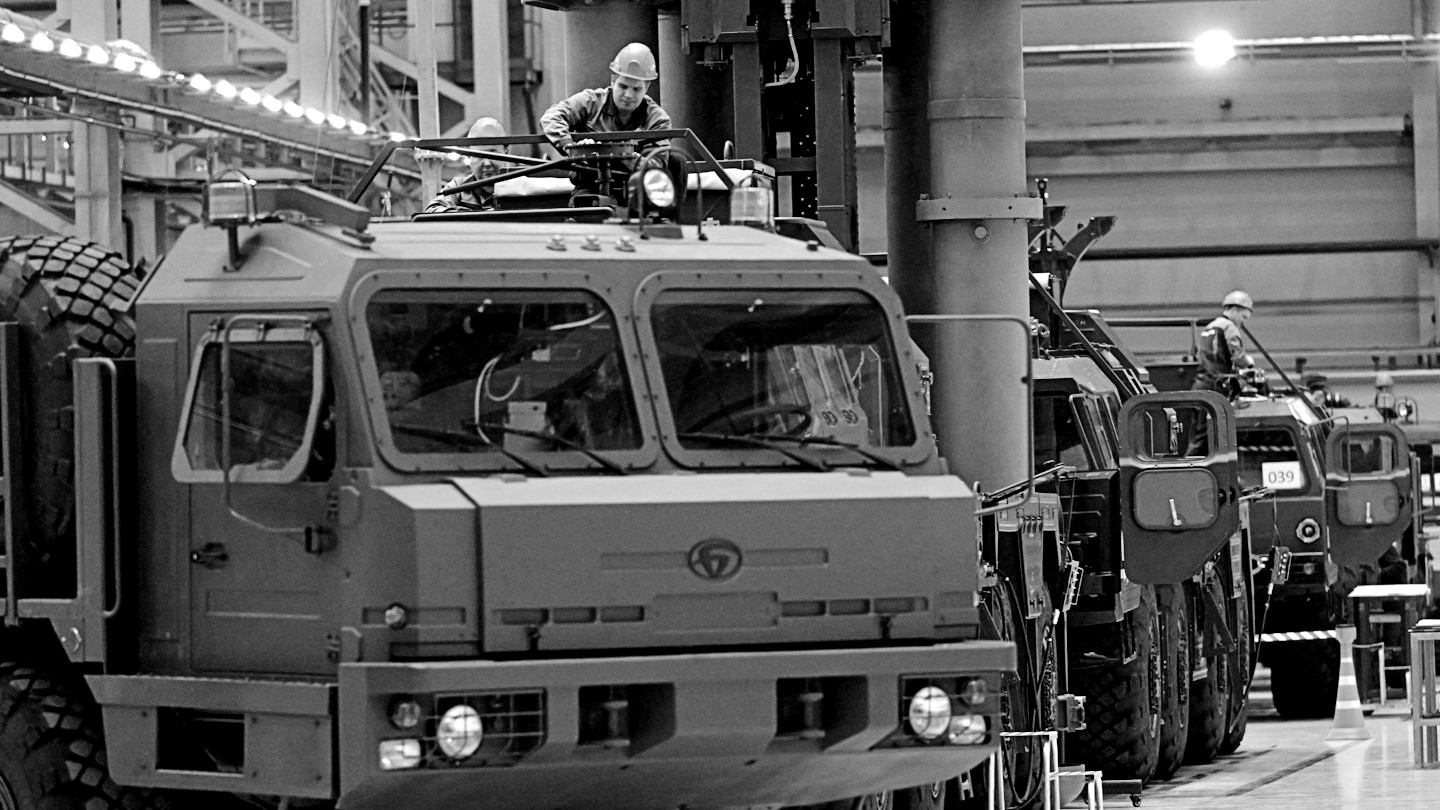
Nearly four years into the full-scale invasion of Ukraine, the financial and economic cost to Russia has reached historic proportions. While Moscow avoids transparent accounting, independent estimates from Western governments, economists, and defence analysts point to a war that has drained hundreds of billions of dollars directly and imposed far deeper long-term structural damage on the Russian economy.
Direct military spending at unprecedented levels
Russia’s most immediate cost is direct military expenditure. Analysts estimate that Moscow has spent well over $250 billion on combat operations, weapons production, logistics, personnel, and battlefield replacements since the invasion began. Defence and security spending now dominate the federal budget, consuming a share of national output not seen since the Cold War.
Daily operational costs have been estimated at $500 million to $1 billion per day during intense phases of fighting. These figures include ammunition, missile strikes, fuel, troop rotation, and the rapid replacement of destroyed equipment. Losses of tanks, artillery, aircraft, and drones have forced Russia into continuous high-cost production cycles, often at inflated prices due to sanctions and supply constraints.


Budget strain and economic distortion
War spending has reshaped Russia’s entire fiscal structure. Defence and internal security now account for a larger share of government spending than healthcare, education, and social services combined. This reallocation has stabilised military output in the short term but hollowed out civilian investment and consumer-driven growth.
To finance the war, the Kremlin has relied on a mix of energy revenues, domestic borrowing, forced bond placements, and off-budget mechanisms. This has increased inflationary pressure and weakened the rouble, forcing tighter capital controls and intervention by the central bank.
Sanctions and lost revenues multiply the cost
Beyond battlefield spending, sanctions have imposed a far larger economic toll. Russia has lost access to key export markets, advanced technology, and foreign capital. Oil and gas revenues—once the backbone of the federal budget—have fallen sharply due to price caps, discounted exports to Asia, and rising transport costs.
Hundreds of billions of dollars in Russian central bank reserves remain frozen abroad, severely limiting financial flexibility. Foreign direct investment has collapsed, and thousands of Western companies have exited the market, stripping Russia of jobs, tax income, and technological expertise.
Hidden costs: manpower, productivity, and future growth
The war’s economic damage extends well beyond the balance sheet. Hundreds of thousands of working-age men have been mobilised or killed, reducing labour supply and productivity. Skilled professionals have left the country, accelerating brain drain and weakening long-term growth potential.
At the same time, Russia’s industrial base has become increasingly militarised, locking the economy into war-driven production that offers little civilian or export value once hostilities end.
A war Russia can fund—but not afford
Under President Vladimir Putin, the Kremlin has demonstrated that it can continue financing the war in the short term. However, the cumulative cost—combining direct military spending, sanctions losses, frozen assets, and long-term economic damage—likely exceeds one trillion dollars and continues to rise.
The true price of the Ukraine war is not only measured in money spent today, but in decades of lost growth, weakened institutions, and a Russian economy increasingly isolated from the global system.
Newshub Editorial in Europe – 21 January 2026

If you have an account with ChatGPT you get deeper explanations,
background and context related to what you are reading.
Open an account:
Open an accountNearly four years into the full-scale invasion of Ukraine, the financial and economic cost to Russia has reached historic proportions. While Moscow avoids transparent accounting, independent estimates from Western governments, economists, and defence analysts point to a war that has drained hundreds of billions of dollars directly and imposed far deeper long-term structural damage on the Russian economy.
Recent Comments