
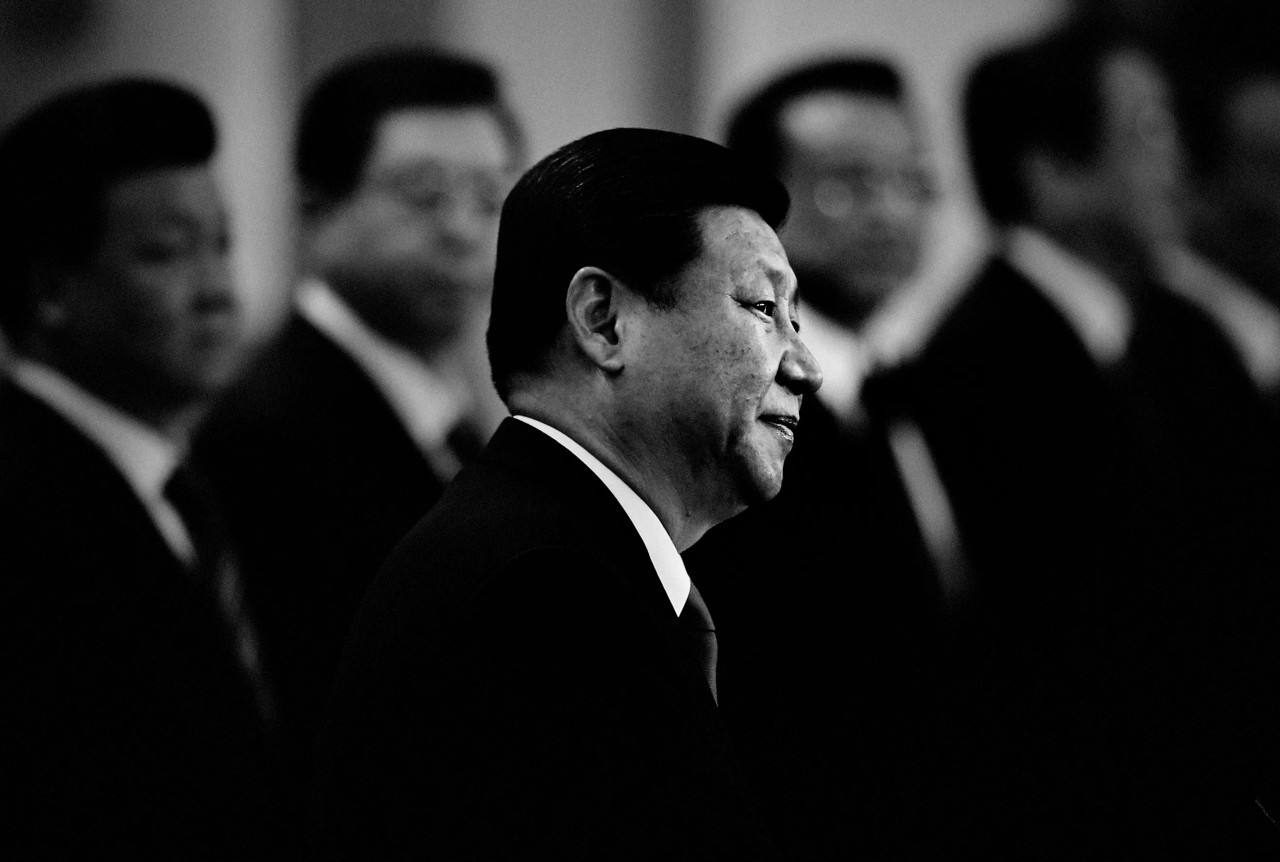
China has moved swiftly to capitalise on the uncertainty and fragmentation created by Donald Trump’s foreign policy, using diplomatic consistency, economic statecraft and strategic patience to strengthen its global position as US alliances and institutions come under strain.
A vacuum in global leadership
Trump’s foreign policy has been defined by unilateralism, transactional diplomacy and repeated challenges to long-standing alliances. From questioning NATO commitments to threatening tariffs against partners over political disagreements, Washington has often appeared unpredictable. Beijing has used this volatility to present itself as a stable and reliable counterweight. While China avoids overt confrontation, it has steadily filled gaps left by American retrenchment, particularly in regions where trust in US leadership has weakened.
Trade tensions as opportunity
Trump’s aggressive use of tariffs has disrupted global supply chains and unsettled markets. China, initially targeted by US trade measures, has responded by accelerating diversification. It has deepened trade ties with Asia, Africa and Latin America, while positioning itself as a defender of global trade norms. As the United States under Donald Trump has appeared willing to weaponise commerce, Beijing has promoted long-term agreements and infrastructure investment, portraying itself as a predictable economic partner.

Strengthening ties with Europe and the Global South
Strained transatlantic relations have given China space to engage European governments more assertively. While strategic mistrust remains, Beijing has used US-EU friction to advance investment dialogues and sector-specific cooperation. In the Global South, particularly in Africa and parts of Asia, China has leveraged Trump’s confrontational tone to contrast its own rhetoric of non-interference and mutual development. This narrative resonates with governments wary of political conditionality and diplomatic pressure.
Institutional influence and multilateral positioning
As the US has questioned or withdrawn from multilateral frameworks, China has increased its engagement within them. It has sought greater influence in international organisations, standards-setting bodies and development finance institutions. By supporting these forums rhetorically and financially, Beijing positions itself as a guardian of multilateralism, even as it shapes rules in ways that align with its strategic interests.
Security and geopolitics
Trump’s unpredictability has also complicated alliance cohesion, particularly within NATO and in the Indo-Pacific. China has used these tensions to advance its own security partnerships, notably with Russia and regional powers seeking strategic autonomy. While Beijing avoids formal alliances, it benefits from a world where US security guarantees are perceived as less certain, encouraging states to hedge and engage more deeply with China.
Narrative control and soft power
Beijing has actively contrasted its long-term planning with Trump’s often abrupt policy shifts. Chinese diplomacy emphasises continuity, patience and respect for sovereignty, framing US behaviour as destabilising. This messaging has been amplified through state media and diplomatic channels, reinforcing China’s image as a serious, strategic actor in contrast to what it depicts as American impulsiveness.
A calculated advantage
China’s gains are not the result of dramatic confrontation but of methodical adaptation. By exploiting the fractures and uncertainty created by Trump’s foreign policy, Beijing has expanded its influence without fundamentally altering its core strategy. The longer US policy appears erratic, the greater the opportunity for China to consolidate its role as a central pillar of the emerging global order.
Newshub Editorial in Asia – 18 January 2026

If you have an account with ChatGPT you get deeper explanations,
background and context related to what you are reading.
Open an account:
Open an account
Recent Comments