
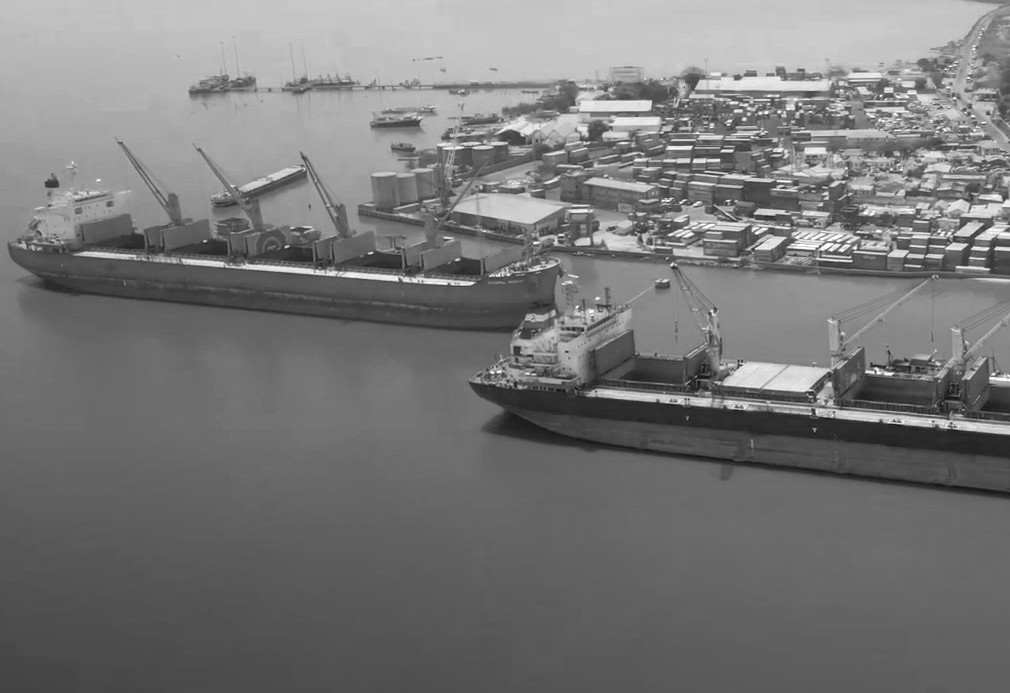
Senegal and The Gambia are increasingly aligning their financial systems, leveraging geography, shared trade flows and complementary institutions to create a more integrated regional market that supports growth, stability and cross-border investment.
A shared economic corridor
The two countries are bound by geography and commerce. The Gambia is almost entirely surrounded by Senegal, and daily cross-border movement of goods, labour and capital has long linked their economies. This natural interdependence is now being formalised through closer coordination between banks, regulators and payment systems, turning an informal corridor into a structured financial relationship.
Monetary frameworks and regional anchors
Senegal operates within the West African Economic and Monetary Union, using the CFA franc and overseen by the Central Bank of West African States. The Gambia, by contrast, maintains its own currency, the dalasi, and an independent central bank. Despite this difference, harmonisation efforts are progressing through regulatory dialogue, shared prudential standards and correspondent banking links that allow Gambian institutions to access deeper regional liquidity via Senegal.


Banking integration and capital flows
Several Senegalese banks operate branches or partnerships in The Gambia, facilitating trade finance, remittances and SME lending. Cross-listing of corporate debt instruments and regional treasury participation have also improved capital mobility. For Gambian firms, access to Senegal’s larger banking balance sheets reduces funding costs, while Senegalese banks benefit from diversification and gateway exposure to anglophone West Africa.
Payments, fintech and infrastructure
One of the fastest-moving areas of coordination is digital finance. Interoperable payment rails are reducing friction in cross-border retail transactions, particularly for remittances and small-value trade. Mobile money platforms and fintech providers increasingly design services to operate seamlessly across both markets, supported by regulatory sandboxes and bilateral supervisory cooperation. This integration is especially important for informal traders, who represent a significant share of cross-border commerce.
Government coordination and market confidence
Both governments have prioritised policy alignment on customs modernisation, trade facilitation and financial transparency. Joint infrastructure projects — including transport corridors and energy links — underpin investor confidence and improve the credit outlook for both markets. Senegal’s role as a regional anchor provides stability, while The Gambia’s smaller, more agile market offers a testing ground for new financial products and services.
Challenges and constraints
Despite progress, differences remain. Currency risk, varying capital controls and uneven regulatory capacity can complicate deeper integration. Debt sustainability and fiscal pressures also influence how quickly markets can converge. Nonetheless, ongoing dialogue between regulators and finance ministries has reduced uncertainty and signalled a shared commitment to long-term coordination.
A model for regional finance
The evolving partnership between Senegal and The Gambia illustrates how neighbouring economies can coordinate financial markets without full monetary union. By aligning regulation, banking infrastructure and digital payments, both countries are strengthening resilience and positioning themselves as a connected financial hub in West Africa.
Newshub Editorial in Africa – 18 January 2026

If you have an account with ChatGPT you get deeper explanations,
background and context related to what you are reading.
Open an account:
Open an accountSenegal and The Gambia are increasingly aligning their financial systems, leveraging geography, shared trade flows and complementary institutions to create a more integrated regional market that supports growth, stability and cross-border investment.
Recent Comments