
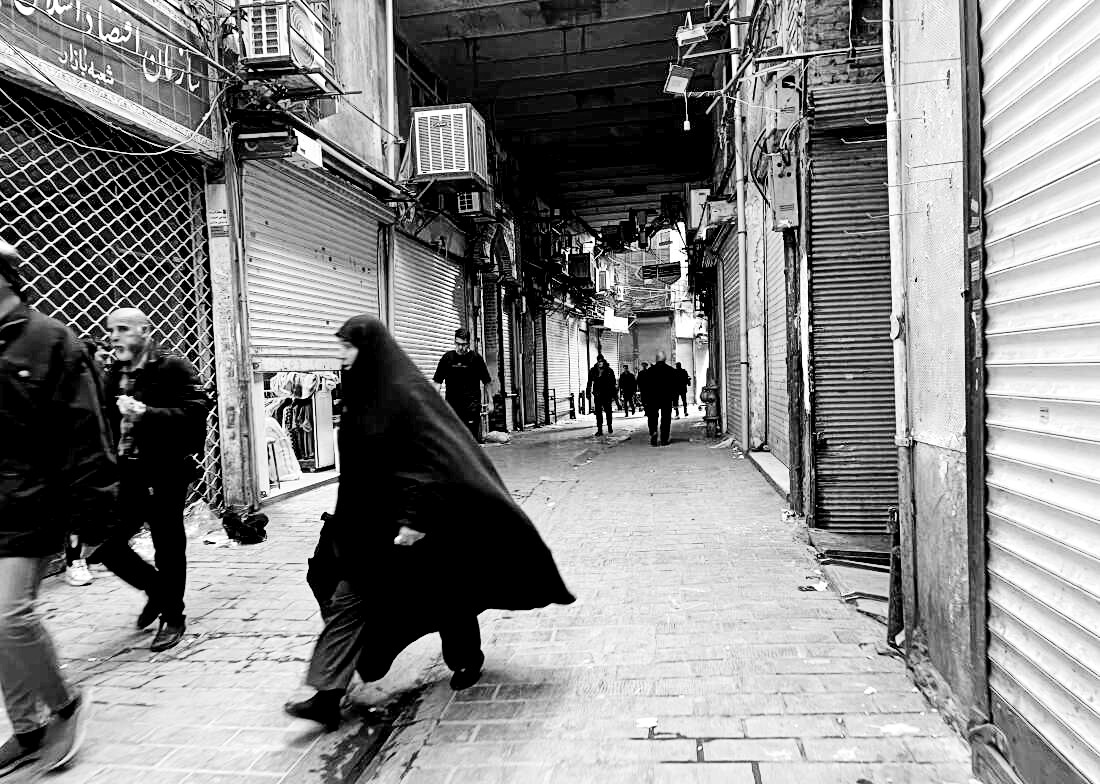
U.S. President Donald Trump convened senior national security advisers this week to discuss a range of responses to escalating unrest and government repression in Iran, including fresh restrictions on trade, potential diplomacy with Tehran and the prospect of U.S. military action. The deliberations come as Tehran faces widespread anti-government demonstrations and violent crackdowns, prompting heightened U.S. pressure on the Iranian leadership.
Situation in Iran and U.S. concerns
Protests that began in late December over economic hardship have expanded into sustained nationwide demonstrations against the clerical leadership, amid reports of hundreds of deaths and thousands of arrests. The Trump administration has framed the Iranian government’s lethal response as unacceptable, warning that further repression could trigger a stronger U.S. reaction.
Meeting with national security team
In Washington, Trump held a high-level meeting with Cabinet members, military leaders and foreign policy advisers to assess potential actions. Officials outlined a spectrum of options, including expanded economic sanctions, cyber operations and the use of limited force against specific Iranian military targets if de-escalation fails. Views differed within the administration, with some urging a diplomatic path while others advocate demonstrating resolve through forceful measures.


New economic measures and tariffs
As part of the pressure campaign, Trump announced a 25 per cent tariff on imports from any nation that conducts business with Iran, a move designed to economically isolate the Iranian regime. This tariff affects major trading partners and could disrupt global commerce, drawing criticism from several capitals. The White House defended the measure as an extension of existing restrictions aimed at curbing Tehran’s capacity to finance repression.
Military options remain under review
While the administration asserts that diplomacy is the preferred route, Trump publicly stated that military options remain “very strong” if conditions on the ground deteriorate or Iran crosses unspecified red lines. Analysts note that potential force could take the form of targeted strikes on Iranian security infrastructure rather than a full-scale invasion, but such action carries risks of broader regional escalation. Tehran has warned that any U.S. military strike would prompt reprisals against both American and allied targets in the Middle East.
Diplomatic channels still open
Despite the tension, Iranian officials have indicated a willingness to engage in discussions with the U.S., leaving a narrow window for negotiated de-escalation. Trump acknowledged that Tehran has sought negotiation, though he cautioned that an initial meeting might occur only after further measures if Iran’s conduct does not change.
International implications and outlook
Global reactions to the situation are mixed, with some allies urging restraint and others supporting firm pressure on Tehran. Markets and regional security planners are watching closely for signs of escalation, including shifts in U.S. military posture in the Gulf and diplomatic outreach through intermediaries. As deliberations continue, Washington’s next public moves—whether further sanctions, diplomatic engagement or military action—will shape U.S.–Iran relations and broader Middle East stability in the weeks ahead.
Newshub Editorial in the Americas – 13 January 2026

If you have an account with ChatGPT you get deeper explanations,
background and context related to what you are reading.
Open an account:
Open an accountU.S. President Donald Trump convened senior national security advisers this week to discuss a range of responses to escalating unrest and government repression in Iran, including fresh restrictions on trade, potential diplomacy with Tehran and the prospect of U.S. military action. The deliberations come as Tehran faces widespread anti-government demonstrations and violent crackdowns, prompting heightened U.S. pressure on the Iranian leadership.
Recent Comments