
Europe’s transition to a single currency remains one of the most ambitious economic transformations in modern history, reshaping daily life, trade, and financial power across the continent almost overnight.
A continent of currencies
For decades, Europe was a patchwork of national currencies. Germans paid in deutsche marks, Italians in lire, French citizens in francs, and Spaniards in pesetas. Exchange rates fluctuated constantly, cross-border trade carried frictional costs, and travelling even short distances meant changing money. Monetary policy was firmly national, reflecting domestic priorities rather than continental ones.
The idea of a shared currency had existed since the post-war era, but it was not until the Maastricht Treaty of 1992 that it became a concrete political commitment. The objective was clear: deepen economic integration, stabilise prices, and bind Europe more tightly together after a century marked by conflict.

The invisible switch
The first phase of Europe’s monetary revolution occurred quietly on 1 January 1999. On that day, the euro was born as a “virtual” currency. National currencies still circulated in wallets and cash registers, but their values were irrevocably fixed against the euro. Government accounts, financial markets, corporate balance sheets, and cross-border payments shifted instantly to the new unit.
For ordinary citizens, little appeared to change. For banks, treasuries, and central bankers, everything did. Interest rates converged, currency risk inside the euro area vanished, and the European Central Bank assumed control of monetary policy for participating states.
Cash day shock
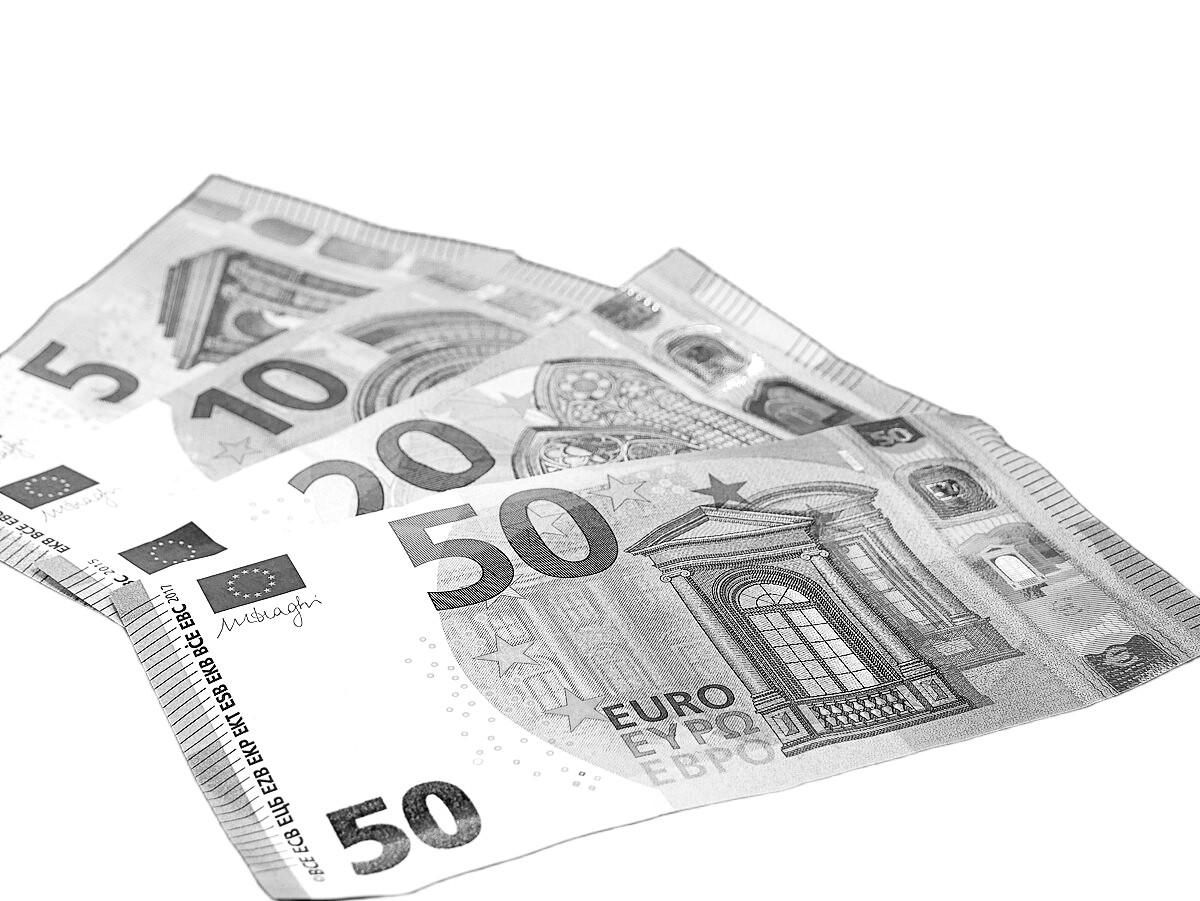
The visible shock came three years later. On 1 January 2002, euro banknotes and coins entered circulation across 12 countries at once. Within weeks, national currencies that had existed for generations were withdrawn. Shops recalibrated prices, vending machines were replaced, and consumers learned to think in a new numerical scale.
The logistics were unprecedented. Billions of banknotes and coins were distributed in advance, retailers dual-priced goods, and banks extended opening hours. By March 2002, legacy currencies were largely gone from daily use, replaced by a single medium of exchange spanning much of the continent.
Economic consequences
The euro fundamentally altered Europe’s economic architecture. Trade within the euro area expanded as transaction costs disappeared and price transparency increased. Financial markets deepened, with a larger, more liquid bond market emerging almost immediately. Inflation expectations stabilised in countries with historically volatile currencies.
At the same time, the loss of national monetary policy limited governments’ ability to respond independently to economic shocks. The eurozone debt crisis a decade later exposed these structural tensions, highlighting the trade-off between integration and sovereignty that had been implicit from the start.
A lasting transformation
Today, the euro is used by hundreds of millions of people and stands as one of the world’s most important currencies. While debate over its design and governance continues, the speed and scale of Europe’s monetary switch remain extraordinary. Few regions have ever replaced their money so rapidly, across so many borders, without a single shot being fired.
Europe did not merely change its banknotes. It redefined how economies could be joined together, proving that money, once seen as a core symbol of nationhood, could be shared in pursuit of a larger political and economic project.
Newshub Editorial in Europe – 2 January 2026
Recent Comments