
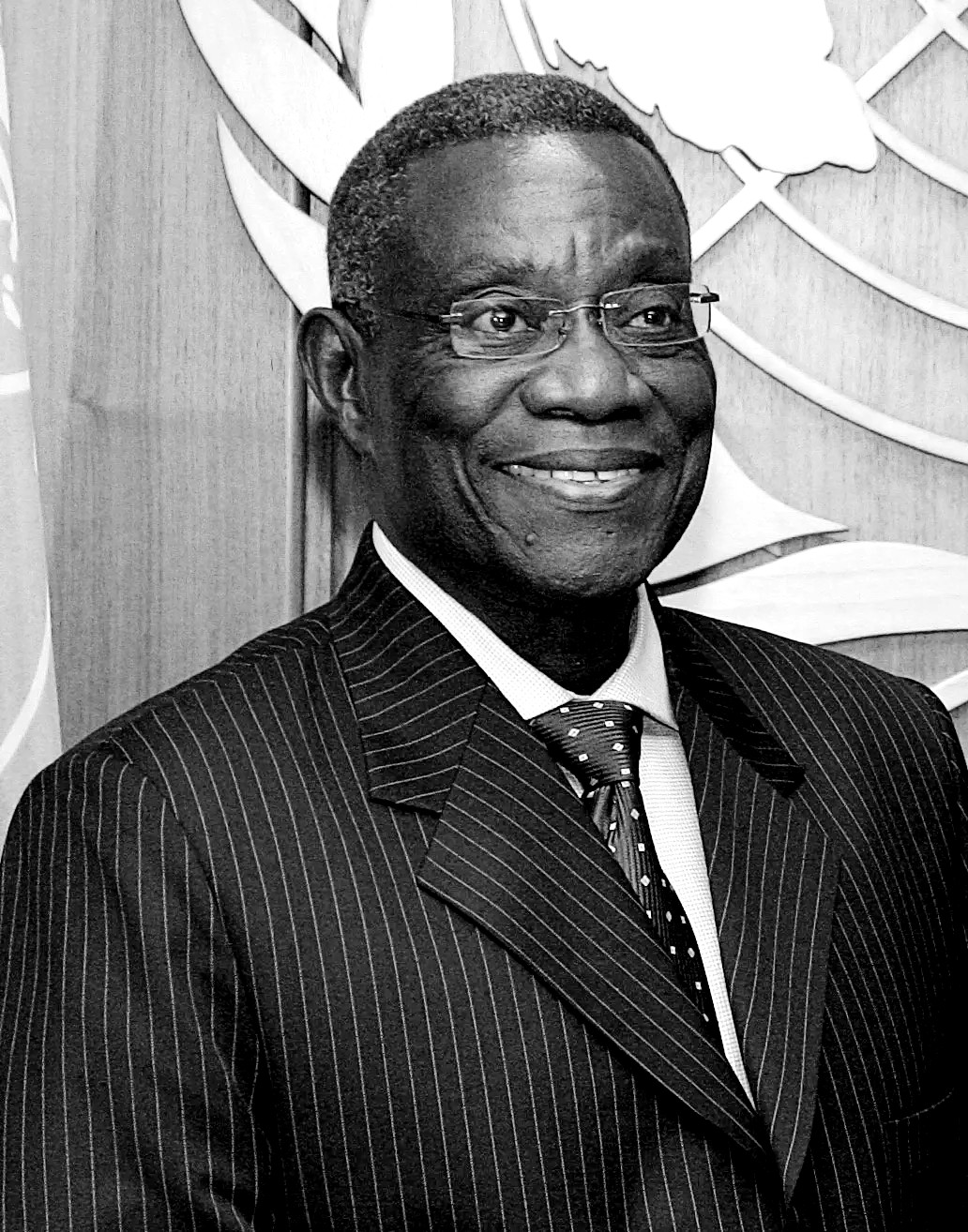
John Evans Atta Mills was elected president of Ghana in a tightly contested election that marked a defining moment in the country’s democratic development, reinforcing its reputation as one of Africa’s most stable political systems.
A razor-thin victory after a tense runoff
The presidential election culminated in a second-round runoff held in late 2008 after no candidate secured an outright majority in the first round. Mills, representing the National Democratic Congress (NDC), narrowly defeated Nana Akufo-Addo of the ruling New Patriotic Party. The margin of victory was exceptionally slim, highlighting both the competitiveness of the race and the maturity of Ghana’s electoral institutions, which managed the process with credibility and restraint.
Peaceful transfer of power strengthens democracy
Mills’ election was particularly significant because it resulted in a peaceful transfer of power from one political party to another through the ballot box. In a region where electoral disputes have often led to instability, Ghana’s calm acceptance of the result sent a strong signal to both African neighbours and international observers. The outgoing administration conceded defeat, and the transition was conducted without major unrest, reinforcing confidence in democratic governance.

An academic turned statesman
Before ascending to the presidency, John Atta Mills was widely respected as an academic and legal scholar. He held a doctorate in law and lectured for many years, earning a reputation for integrity and intellectual rigour. Mills had previously served as vice-president from 1997 to 2001, giving him experience at the highest level of government and making him a familiar figure to Ghanaian voters.
Campaign themes and public expectations
During the campaign, Mills positioned himself as a unifying figure who would govern with humility and inclusiveness. He emphasised economic prudence, social justice, and the need to tackle corruption while maintaining macroeconomic stability. Voters were particularly focused on issues such as rising living costs, employment opportunities for a young population, and the equitable distribution of Ghana’s growing natural-resource revenues, including newly discovered oil reserves.
Early policy direction and leadership style
Upon taking office, President Mills pledged to run a government guided by transparency and respect for democratic institutions. His leadership style was notably calm and consensus-oriented, contrasting with the often confrontational politics seen elsewhere. International partners welcomed his commitment to continuity in economic policy, while also supporting efforts to expand social programmes and strengthen public accountability.
Ghana’s role on the African stage
Mills’ election further elevated Ghana’s standing as a democratic model in Africa. The country’s ability to conduct competitive elections, accept close results, and maintain stability enhanced its influence in regional diplomacy and multilateral forums. For many observers, the 2008 election underscored the idea that democratic norms could take deep root on the continent when institutions are respected and leaders place national interest above partisan rivalry.
Newshub Editorial in Africa – 28 December 2025
Recent Comments