
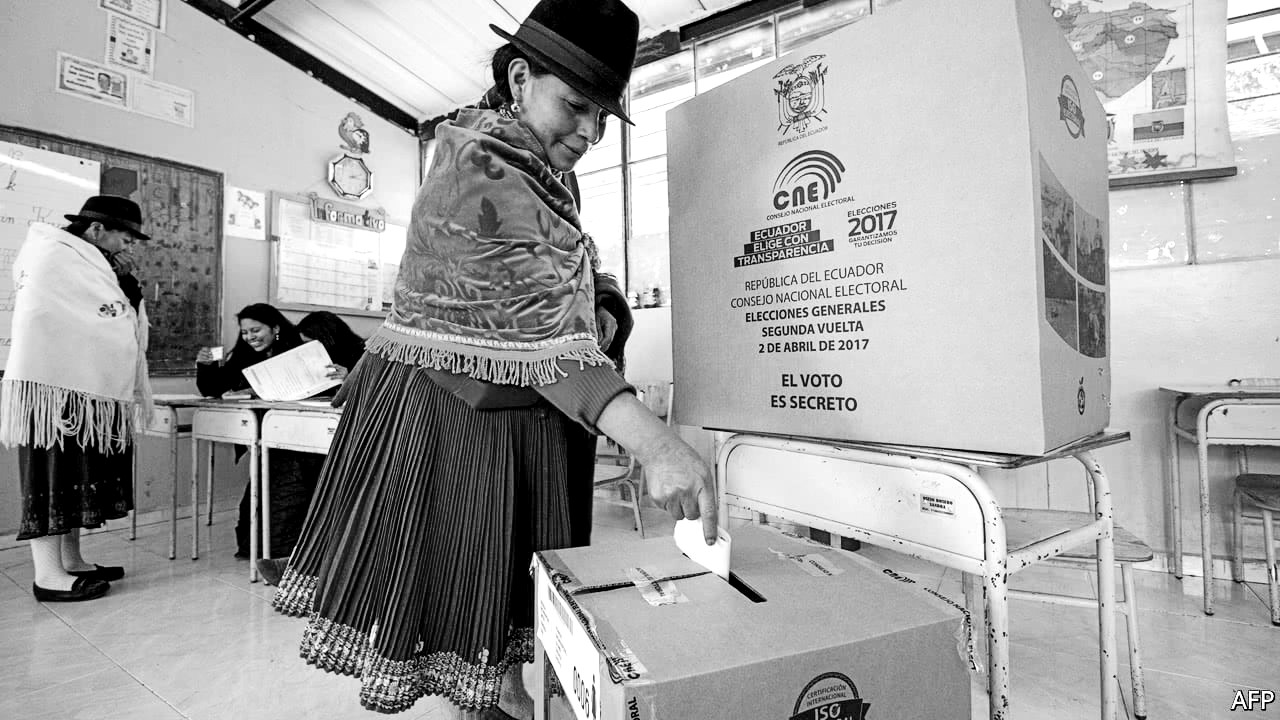
The outcome of Honduras’s presidential election marks another decisive shift to the right in Latin America, coming just one week after Chile elected ultraconservative José Antonio Kast as its new president. Together, the results underline a growing conservative momentum across the region, driven by concerns over crime, economic stagnation, and distrust of left-leaning political elites.
A week that reshaped the regional map
The Honduran vote, held on 30 November, unfolded against a backdrop of heightened political polarisation across Latin America. The result reinforced the sense that voters in several countries are turning away from progressive governments and reformist agendas, instead backing candidates who promise law and order, economic discipline, and closer alignment with the United States.
The timing was significant. Chile’s election of Kast had already sent shockwaves through the region, signalling a dramatic reversal in one of South America’s most politically influential countries. Honduras has now added to that trend, strengthening the perception of a broader ideological realignment.

US intervention and charged rhetoric
The campaign in Honduras was marked by unusually direct intervention from Washington. Ahead of the vote, US President Donald Trump publicly endorsed Nasry Asfura, framing the election as a battle against what he described as “narco-communists.” The language was notably aggressive and echoed Cold War-era rhetoric, casting the contest as part of a wider struggle over security and regional influence.
Trump’s comments were welcomed by Asfura’s supporters, who argue that tougher policing and closer cooperation with the United States are essential to combat organised crime and drug trafficking. Critics, however, warned that such statements risked undermining Honduras’s democratic process and inflaming already deep social divisions.
Security and the economy dominate voter concerns
For many Honduran voters, the election centred on everyday realities rather than ideology. High levels of violence, entrenched corruption, and limited economic opportunity have long fuelled public frustration. Asfura’s campaign focused heavily on restoring security, attracting foreign investment, and presenting Honduras as a reliable partner for international business.
These themes resonated with a population weary of instability and sceptical of promises of structural reform. The result suggests that, at least for now, calls for decisive leadership are outweighing demands for social transformation.
Regional implications
Honduras’s shift adds momentum to a wider political recalibration across Latin America. From Central America to the Southern Cone, conservative candidates are capitalising on public dissatisfaction with inflation, crime, and weak growth. While each country’s context differs, the pattern points to a region in flux, where voters are reassessing political priorities in response to prolonged uncertainty.
Analysts caution that the durability of this rightward turn will depend on results. Failure to deliver tangible improvements could quickly erode support, just as previous waves of left-leaning governments lost favour.
As Honduras joins Chile in reshaping the region’s political balance, the election highlights a broader moment of transition in Latin America. Whether this conservative surge marks a lasting transformation or a temporary backlash will become clearer as new governments move from campaign rhetoric to governing reality.
Newshub Editorial in Latin America – 25 December 2025
Recent Comments