
Vincent van Gogh’s decision to cut off part of his own left ear in December 1888 has become one of the most enduring and misunderstood episodes in art history, symbolising both his personal suffering and the fragile line between genius and despair. The incident, which occurred in the southern French town of Arles, was not an isolated act of madness but the culmination of years of emotional instability, poverty, and intense creative pressure that defined his short and turbulent life.
A troubled life shaped by failure and obsession
Vincent van Gogh was born in 1853 in the Netherlands and struggled throughout his early adulthood to find a vocation. He failed as an art dealer, teacher, and preacher before turning seriously to painting in his late twenties. Even then, success eluded him. He lived largely dependent on financial support from his younger brother, Theo, and sold almost no paintings during his lifetime. Despite this, van Gogh worked obsessively, producing more than 2,000 artworks in just over a decade.
Arles and the dream of an artists’ community
In 1888, van Gogh moved to Arles, convinced that the light and colours of southern France would spark a new artistic era. He dreamed of founding a communal “Studio of the South,” where artists would live and work together. This vision briefly seemed possible when Paul Gauguin joined him. However, the partnership quickly deteriorated. Their clashing personalities, combined with van Gogh’s fragile mental health, led to frequent arguments and mounting tension.


The ear-cutting incident
On the night of 23 December 1888, following a particularly intense confrontation with Gauguin, van Gogh suffered a mental breakdown. In a state of extreme distress, he cut off part of his left ear with a razor. He then reportedly wrapped the severed piece in paper and delivered it to a woman at a nearby brothel. The act shocked the local community and marked a turning point in his life, leading to hospitalisation and increased concern over his mental state.
Mental illness and creative intensity
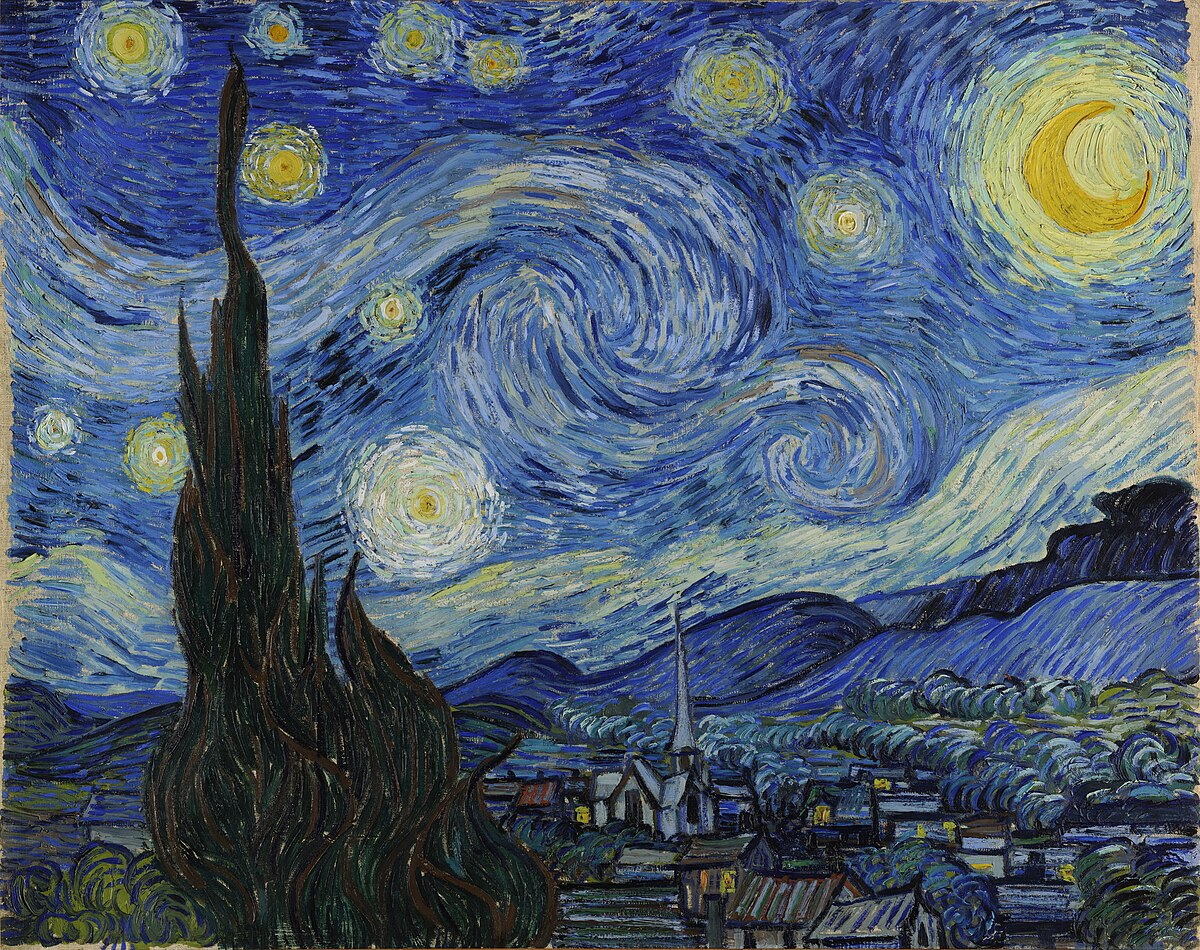
Modern historians and medical experts have debated van Gogh’s diagnosis, suggesting conditions ranging from bipolar disorder and epilepsy to severe depression aggravated by alcohol abuse. What is clear is that his illness did not suppress his creativity. On the contrary, some of his most celebrated works, including Starry Night and Irises, were painted during periods of confinement in asylums, notably in Saint-Rémy-de-Provence.
Death and posthumous recognition
In 1890, at the age of 37, van Gogh died from a gunshot wound, widely believed to have been self-inflicted. At the time of his death, he was largely unknown outside a small circle of artists and critics. In the decades that followed, his bold use of colour, emotional intensity, and expressive brushwork transformed him into one of the most influential figures in Western art.
A legacy beyond the myth
Today, van Gogh’s ear is often reduced to a sensational anecdote, overshadowing the discipline, ambition, and vision behind his work. Yet his life story remains a powerful reminder of the human cost that can accompany creative brilliance—and of an artist whose influence only truly began after his death.
Newshub Editorial in Europe – 23 December 2025
Vincent van Gogh’s decision to cut off part of his own left ear in December 1888 has become one of the most enduring and misunderstood episodes in art history, symbolising both his personal suffering and the fragile line between genius and despair. The incident, which occurred in the southern French town of Arles, was not an isolated act of madness but the culmination of years of emotional instability, poverty, and intense creative pressure that defined his short and turbulent life.
Recent Comments