
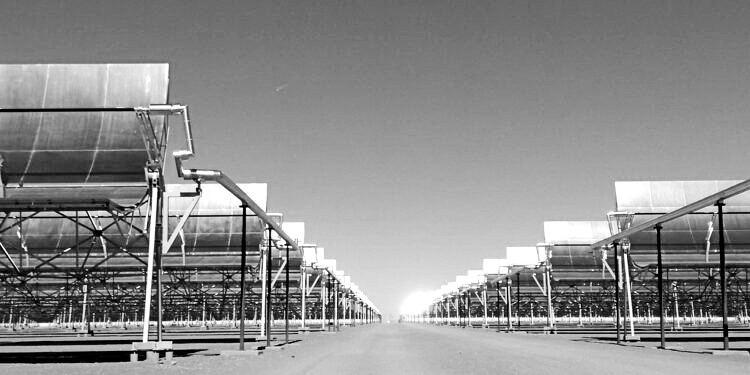
São Tomé and Príncipe is intensifying its transition towards renewable energy, as the island nation seeks to reduce its dependence on imported fossil fuels, lower electricity costs, and strengthen long-term energy security. Recent investments and policy initiatives signal a decisive shift towards cleaner power generation in one of Africa’s smallest but most energy-vulnerable economies.
Reducing reliance on imported fuels
Historically, São Tomé and Príncipe has relied almost entirely on diesel-powered generation, leaving the country exposed to volatile global fuel prices and frequent supply disruptions. Energy imports have placed a heavy burden on public finances and contributed to high electricity tariffs for households and businesses. The government has identified renewables as a strategic solution to stabilise costs while reducing fiscal pressure.
Solar power at the centre of the strategy
Solar energy has emerged as the cornerstone of the country’s renewable push. With high year-round solar irradiation, São Tomé and Príncipe offers favourable conditions for photovoltaic generation. New grid-connected solar plants, alongside smaller decentralised systems for rural communities, are expanding generation capacity and improving reliability. Authorities have indicated that solar projects are already helping to cut diesel consumption during daylight hours, easing strain on the national grid.

International support and financing
The renewable energy drive has been supported by multilateral development banks and international partners, including funding for infrastructure upgrades and technical assistance. These partnerships have enabled São Tomé and Príncipe to modernise its transmission network, integrate variable renewable sources, and strengthen institutional capacity within the energy sector. Climate finance and concessional loans have played a critical role in accelerating project timelines.
Energy access and economic resilience
Improved electricity supply is expected to deliver broader economic benefits. More reliable power supports small businesses, tourism facilities, and public services, while reducing outages that have long constrained productivity. For households, the gradual shift towards renewables offers the prospect of more stable pricing and improved access, particularly in remote areas where off-grid solar solutions are being deployed.
Environmental and climate considerations
Beyond economic factors, the renewable energy programme aligns with São Tomé and Príncipe’s climate commitments. As a low-lying island state, the country is particularly vulnerable to climate change impacts, including rising sea levels and extreme weather. Reducing carbon emissions from power generation strengthens its environmental credentials while reinforcing its position in international climate negotiations.
Challenges remain despite momentum
Despite clear progress, challenges persist. Grid stability, financing scale-up, and long-term maintenance remain key concerns, particularly given the country’s limited technical workforce and small domestic market. Ensuring that renewable capacity can meet growing demand without compromising reliability will be central to the next phase of the transition.
A strategic shift for a small island economy
São Tomé and Príncipe’s accelerated renewable energy push represents a strategic recalibration of its development model. By leveraging natural resources and international partnerships, the country is laying the groundwork for a cleaner, more resilient energy system. If successfully sustained, the transition could serve as a reference point for other small island and developing economies seeking to balance growth, affordability, and climate responsibility.
Newshub Editorial in Africa – 19 December 2025
Recent Comments