
Sweden’s navy has revealed that it now encounters Russian submarines “almost weekly” in the Baltic Sea, underscoring the rapidly intensifying security environment following Stockholm’s alignment with NATO and heightened regional military activity. Senior officials warn that the frequency and boldness of these underwater incursions have increased, raising concerns that more submarine deployments may be imminent.
A pattern of persistent underwater activity
Naval commanders say Swedish sensors and patrol vessels have detected repeated submarine signatures close to territorial waters, often within strategically sensitive zones. While most contacts occur in international waters, officials note that the behaviour reflects an assertive Russian operational posture intended to test surveillance systems and signal Moscow’s displeasure with Sweden’s deepening Western integration.
NATO accession reshapes the strategic landscape
Sweden’s move toward full NATO membership has significantly altered the security calculus in the Baltic region. Russian military assets have stepped up reconnaissance and electronic warfare activity, and submarine traffic has become a focal point of Swedish monitoring. Defence analysts argue that Moscow may be preparing to expand operations further, both to probe NATO response capabilities and to maintain a psychological presence in a region where allied cooperation is accelerating.

Enhanced Swedish preparedness and modernisation
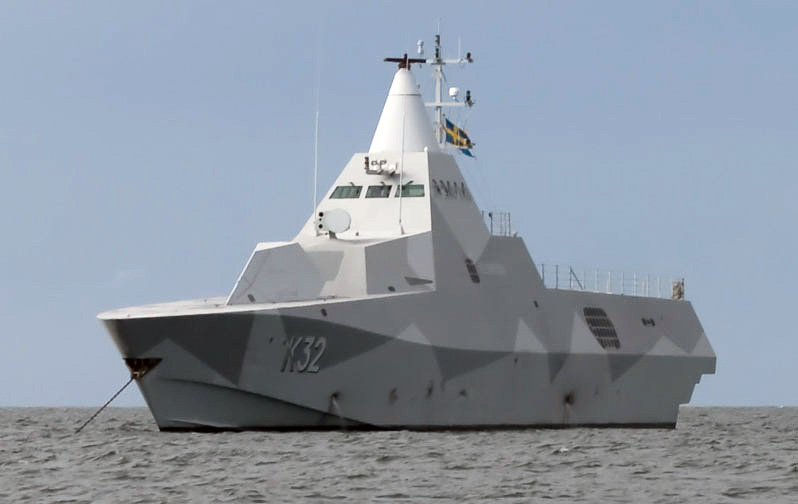
In response, the Swedish navy has increased patrol frequency and invested in modernising its underwater surveillance network. The Visby-class corvettes and Gotland-class submarines continue to play central roles in tracking and identifying activity below the surface. Officials emphasise that Sweden’s advanced anti-submarine warfare capabilities, including cutting-edge acoustic detection, place it among the most capable navies in northern Europe.
Baltic neighbours voice similar concerns
Sweden is not alone in observing heightened Russian underwater operations. Finland, Estonia and Latvia have all reported increased sonar contacts and reconnaissance manoeuvres in their respective waters. Collectively, these developments suggest a broader strategic effort by Moscow to maintain influence and operational reach in the Baltic Sea, a region that has become a central theatre of East-West competition.
A security climate defined by vigilance
Although Swedish officials stress that no recent incident has escalated into direct confrontation, the steady uptick in submarine encounters illustrates the fragility of the regional security environment. With more Russian deployments anticipated, Stockholm is preparing for a protracted period of heightened surveillance and rapid-response readiness. As the Baltic Sea transforms into one of Europe’s most strategically crowded waterways, Sweden’s role in collective defence is set to become increasingly pivotal.
Newshub Editorial in Europe – 6 December 2025
Recent Comments