
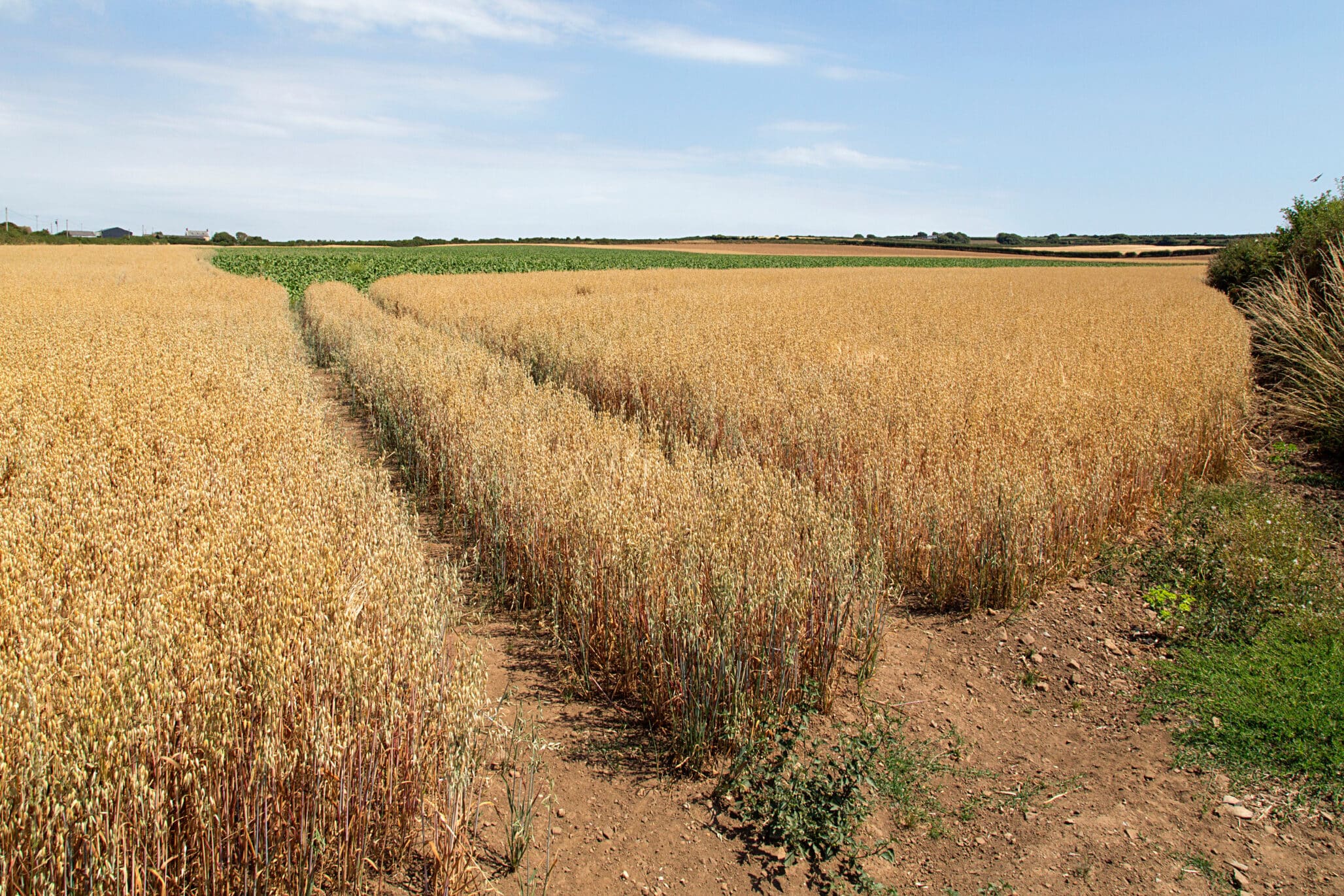
UK farmers have suffered an estimated £800m in losses after extreme heat and prolonged drought produced one of the worst grain harvests ever recorded, leaving many growers questioning the long-term viability of farming in a rapidly shifting climate. The poor yields have intensified concerns across the agricultural sector, where rising costs, volatile weather and shrinking margins are already putting pressure on livelihoods.
Severe weather devastates grain yields
This year’s harvest was defined by a succession of damaging weather events. Early-season heatwaves reduced soil moisture levels, while extended drought during key growth stages led to widespread crop failure across major grain-producing regions. Wheat, barley and oilseed rape yields were significantly below historical averages, with some farms reporting losses of 30–50%. The National Farmers’ Union described the season as “exceptional in its severity,” warning that such patterns are becoming increasingly common.
Financial pressure deepens for already-strained farmers
The £800m loss estimate reflects not only reduced output but also higher input costs, including irrigation, fuel and fertiliser. Many farmers now face substantial cash-flow challenges, prompting renewed calls for targeted government support. Smaller family-run operations have been disproportionately affected, with some expressing doubts about whether they can continue without structural reforms. Analysts note that the financial impact of repeated climate-related shocks is eroding the sector’s resilience at a worrying pace.

Climate change shifts from risk to reality
Farmers and climate researchers agree that this year’s catastrophic harvest offers a stark illustration of how global warming is reshaping British agriculture. Periods of extreme heat, unpredictable rainfall patterns and degraded soil conditions have increasingly undermined traditional farming methods. The sector is now undergoing a difficult transition, with growing emphasis on drought-resistant crops, regenerative practices and new water-management systems. Yet many growers fear that adaptation alone will not offset the accelerating pace of climatic change.
Policy debate intensifies as food-security concerns rise
The poor harvest has reignited political debate over national food security. Opposition parties have urged the government to strengthen long-term agricultural strategy, including investment in sustainable farming technologies and updated climate-risk modelling. Ministers have highlighted existing support schemes but face criticism that policy responses remain reactive rather than strategic. With the UK increasingly dependent on food imports, experts warn that climate disruptions abroad could amplify domestic vulnerabilities.
Newshub Editorial in Europe – 5 December 2025
Recent Comments