
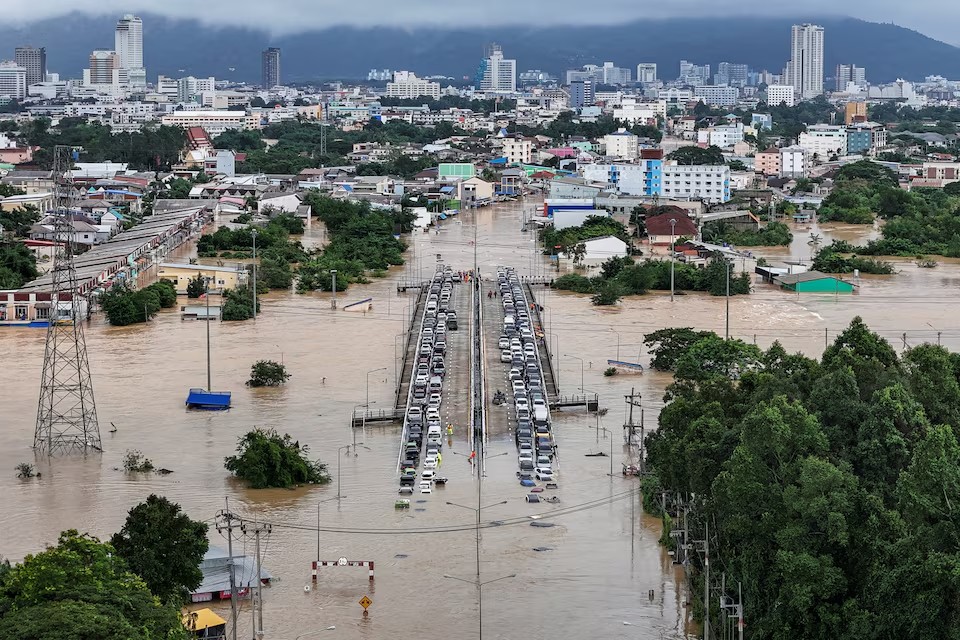
More than 900 people have lost their lives across Indonesia, Thailand and Sri Lanka as severe floods continue to devastate large parts of Southeast Asia, prompting urgent humanitarian appeals and renewed concern over the region’s vulnerability to extreme weather. The latest reports from national disaster agencies show widespread displacement, collapsed infrastructure and disrupted supply chains, with officials warning that further rainfall could worsen the situation in the coming days.
Indonesia faces widespread destruction and rising displacement
Indonesia has recorded the highest number of casualties so far, with entire districts in Sumatra and Java submerged after days of uninterrupted rainfall. Rivers burst their banks, sweeping away homes, bridges and farmland. Emergency services report that more than a million residents have been affected, with tens of thousands now housed in temporary shelters. The government has deployed military units to assist with evacuations, though access to several remote areas remains limited.
Thailand battles overflowing dams and paralysed transport networks
In Thailand, the flood situation intensified as water levels in major dams reached critical thresholds, forcing controlled discharges that worsened downstream flooding. The central and northeastern provinces have been hit hardest, with major highways cut off and rail services suspended. Authorities say that while the death toll is lower than in Indonesia, logistical disruption has become severe, affecting the movement of food, medical supplies and fuel. Local businesses warn that the economic cost could be substantial if floodwaters persist into next week.


Sri Lanka struggles with landslides and damaged infrastructure
Sri Lanka has reported dozens of fatalities, many caused by sudden landslides triggered by saturated soil in hilly regions. Key roads have been blocked and several power stations temporarily shut down due to safety concerns. The government has appealed for international support to bolster relief operations, citing shortages of equipment and the extensive scale of infrastructure damage. Meteorologists say the island remains at risk of additional intense rainfall as weather systems continue to move across the Bay of Bengal.
Humanitarian agencies warn of worsening regional crises
International aid organisations have expressed deep concern about the scale of displacement and the potential for waterborne diseases. With floodwaters mixing with sewage in several urban centres, health agencies are preparing for outbreaks of cholera, dengue and respiratory infections. Climate analysts note that the frequency and intensity of extreme rainfall events have increased across Southeast Asia, underscoring the need for stronger long-term resilience measures, including improved drainage, early warning systems and strategic land-use planning.
Newshub Editorial in Asia – 2025-12-01
Recent Comments