
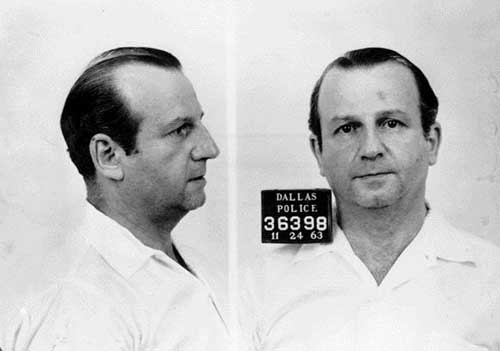
The shooting that stunned a nation
In a moment broadcast live on national television, Dallas nightclub owner Jack Ruby fatally shot Lee Harvey Oswald on 24 November 1963, forever altering the trajectory of the investigation into the assassination of President John F. Kennedy. Oswald, who had been accused of killing the president two days earlier, was being transferred from the city jail to the county facility when Ruby stepped forward from a crowd of reporters and fired a single .38-calibre round into his abdomen. Oswald died shortly after in Parkland Memorial Hospital, becoming the only presidential assassin in U.S. history to be killed while in custody.
A chaotic transfer and a catastrophic security failure
The transfer of Oswald was meant to be routine, but the Dallas Police Department had failed to secure the basement area adequately. Dozens of journalists, photographers, and members of the public were present, many freely moving about without thorough screening. Ruby slipped inside the building through an unlocked side entrance, unnoticed by officers already struggling to manage the crush of reporters.
When Oswald appeared in handcuffs between detectives, Ruby rushed forward and fired at close range. The scene, carried live on NBC, left millions of Americans witnessing a second violent act linked to the Kennedy tragedy in real time. Questions about police preparedness and basic security procedures immediately followed.

Who was Jack Ruby?
Ruby, a well-known figure in Dallas nightlife, operated several clubs frequented by local patrons, police officers, and performers. He had a reputation for temperamental behaviour but was not widely regarded as dangerous. Investigators later confirmed that Ruby had shown signs of emotional instability following Kennedy’s assassination and had been outspoken in his grief and anger.
Despite persistent speculation, no evidence has ever conclusively proved that Ruby was part of a broader conspiracy. The official Warren Commission later concluded that Ruby acted alone, driven by impulse and a desire to spare Jacqueline Kennedy the ordeal of a public trial.
A moment that deepened public suspicion
Ruby’s killing of Oswald intensified public doubt surrounding the Kennedy assassination. With Oswald dead, the opportunity for a full courtroom examination was lost. For many Americans, this sudden silencing of the accused assassin made an already shocking event feel incomplete and unresolved.
The incident fuelled decades of suspicion, giving rise to countless theories about organised crime, foreign governments, intelligence agencies, and political motives. While multiple investigations have reaffirmed the core conclusions of the original inquiry, the circumstances of Oswald’s death remain one of the most scrutinised moments in modern American history.
Legacy of a televised tragedy
Ruby was convicted of murder in 1964, though his conviction was later overturned on appeal. Before a retrial could begin, he died of cancer in early 1967 at the same hospital where both Kennedy and Oswald had died. His death closed another chapter of an already fraught narrative.
More than sixty years later, the image of Ruby lunging from the crowd remains one of the most iconic live television moments in history. It crystallised a national sense of disbelief, ensured permanent controversy, and ultimately reshaped how America understood the murder of its 35th president.
Newshub Editorial in North America – 24 November 2025
Recent Comments