
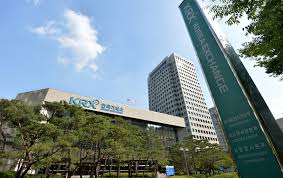
South Korean and Indonesian equities opened on Wednesday on a cautious note, reflecting a blend of global headwinds and local dynamics. Investors balanced Wall Street’s mild rebound with ongoing tariff tensions, currency pressures and regional growth concerns.
South Korea: chips cool after rally
The Kospi edged lower at the open, with semiconductor leaders retreating after sharp gains earlier in the month. Investor profit-taking was evident in key technology names, while exporters faced pressure from a stronger US dollar. Analysts noted that demand outlooks for memory and logic chips remain constructive, but short-term sentiment is constrained by geopolitical uncertainty and currency weakness. The Kosdaq, dominated by smaller growth companies, also slipped, signalling broader caution.
Indonesia: energy and banks underpin support
In Jakarta, the benchmark IDX Composite started the session marginally higher, buoyed by energy and banking shares. Steady coal prices and firm palm oil demand provided support to resource stocks, while lenders benefited from resilient domestic credit growth. Still, investor appetite was tempered by concerns over persistent inflation pressures and capital outflows amid elevated US Treasury yields. Foreign participation remained light, with regional funds largely on the sidelines.

Currency and commodities backdrop
The Korean won remained under pressure against the dollar, adding to concerns over imported inflation and limiting policy flexibility for the Bank of Korea. Indonesia’s rupiah traded more steadily, helped by central bank interventions and continued current-account support from commodity exports. Oil prices held near recent levels, while coal and palm oil strength offered Indonesia some insulation from external shocks.
Outlook
Both Seoul and Jakarta markets are expected to track broader Asian risk sentiment in the days ahead. South Korea’s technology sector remains sensitive to US tariff developments and global chip-cycle signals, while Indonesia’s equities may hinge on commodity prices and monetary policy cues. Investors are likely to remain selective, favouring defensive and dividend-yielding stocks until global uncertainties ease.
REFH – Newshub, 27 August 2025
Recent Comments