
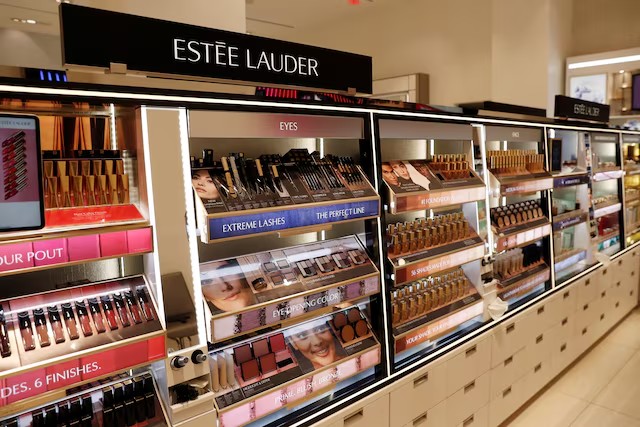
Estée Lauder has forecast full-year profits below analyst expectations, citing ongoing market weakness and an anticipated $100 million hit from tariffs. The cosmetics giant warned that challenging conditions in the U.S. and China are weighing on sales, particularly in skincare and makeup categories.
Profit guidance revision
The company now expects adjusted earnings per share for fiscal 2026 to range between $1.90 and $2.10, below the consensus estimate of $2.21. The $100 million tariff-related cost reflects new U.S. trade measures that are impacting supply chains and raising the cost of imported goods.
Organic net sales in the fourth quarter fell 13 per cent compared with the same period last year, reversing prior gains. Estee Lauder attributed the decline to weaker consumer demand and structural changes in key markets, which have put pressure on both retail and travel‑retail channels.

Market reaction and operational strategy
Shares fell approximately 9 per cent in pre-market trading following the announcement. In response, new CEO Stéphane de La Faverie outlined a multi-pronged turnaround plan, focusing on expanding presence in duty-free markets, accelerating product launches in skincare, introducing luxury pricing tiers, and investing in marketing while cutting operational costs.
The company also flagged significant restructuring charges of $1.2 billion to $1.6 billion in fiscal 2026, aimed at streamlining underperforming units and brands, including Too Faced and Dr. Jart+.
Quarterly performance and financial outlook
Estée Lauder reported a widening fourth-quarter loss of $546 million, compared with $284 million in the prior year, largely due to impairment charges. Adjusted earnings of $0.09 per share met expectations but were overshadowed by broader market pressures.
Analysts note that the company faces persistent headwinds from tariffs, changing consumer behaviour, and competitive pressures in the luxury beauty segment. The success of the turnaround plan will hinge on navigating these challenges while protecting brand value and growth potential.
Looking ahead
The guidance revision underscores the volatility in the global cosmetics market and highlights the need for agile operational strategies. Investors will be watching closely for signs that cost-saving measures, product innovation, and international expansion can offset macroeconomic and tariff-related pressures in the coming year.
REFH – Newshub, 21 August 2025
Recent Comments