
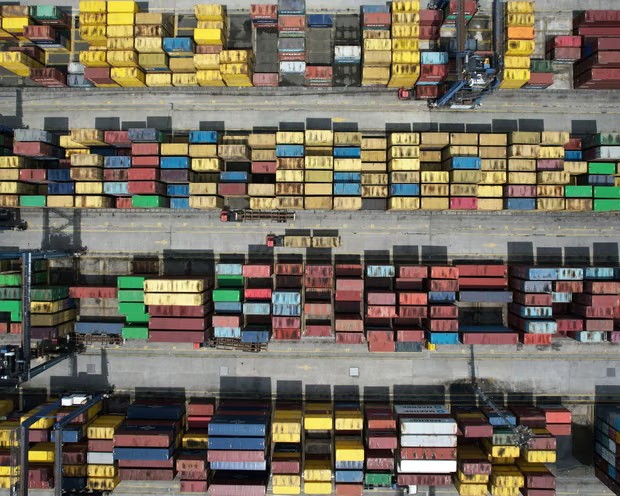
The United States has raised its import tariffs to the highest level in almost a century, in a sweeping trade policy move that is expected to increase consumer costs and strain global relations. At the same time, President Donald Trump has announced he is prepared to meet Russian President Vladimir Putin, even if the Kremlin leader declines to meet Ukrainian President Volodymyr Zelenskyy.
Tariffs surge to historic levels
The average effective U.S. tariff rate has risen to about 18.6%, the highest since 1933, following the administration’s latest round of increases. Covering imports from more than 60 countries, the measures apply rates ranging from 10% to over 40%, depending on the goods. Economic analysis suggests that when the entirety of 2025’s trade actions are factored in, the average effective rate would reach roughly 22.5%, a level not seen since 1909.
The White House has argued that the tariffs are intended to protect U.S. industry and reduce trade deficits. However, economists warn that Americans will bear much of the cost, with estimates suggesting consumers could pay up to 18% more for affected goods. Between half and 90% of the added expense is expected to be passed on through retail prices, with businesses absorbing the rest through reduced profit margins.

Impact on trade and inflation
Analysts say the measures risk fuelling inflation, tightening supply chains, and provoking retaliatory trade actions. Key trading partners are already considering countermeasures, raising the prospect of escalating disputes that could disrupt global markets. The tariff hikes come at a time of fragile economic stability, with U.S. consumer spending and manufacturing output showing signs of slowing.
Trump open to bilateral meeting with Putin
Against the backdrop of trade tensions, Trump has said he is willing to meet Putin in the coming days, potentially in the United Arab Emirates. This would be the first such meeting since his return to office. The Kremlin has confirmed discussions are under way, but has not committed to a date.
The White House initially sought a trilateral meeting including Zelenskyy, in an effort to advance discussions on ending the war in Ukraine. Trump’s latest comments suggest a willingness to proceed with a bilateral meeting, stating his priority is to “stop the killing” regardless of whether all parties are present.
Geopolitical and economic implications
The combination of record-high tariffs and high-stakes diplomacy has unsettled both markets and U.S. allies. Economists caution that aggressive trade barriers may undermine economic growth, while foreign policy analysts warn that bypassing Ukraine in peace talks could weaken its negotiating position.
With the U.S. entering uncharted territory in both its economic strategy and diplomatic approach, the coming weeks may determine whether these moves bring strategic gains or deepen political and market volatility.
REFH – Newshub, 8 August 2025
Recent Comments