
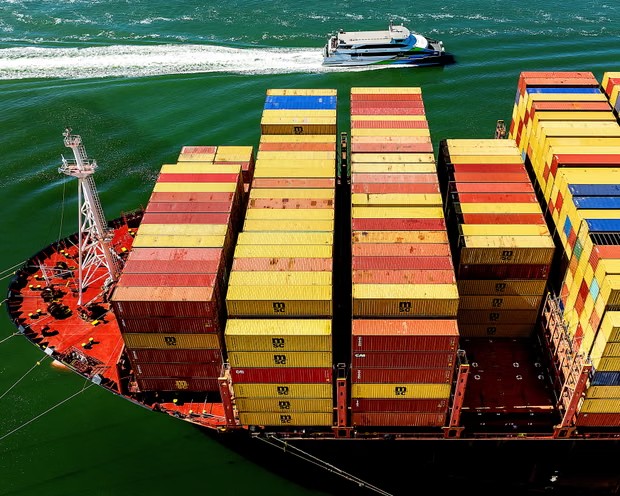
A sweeping new wave of tariffs announced by Donald Trump has come into effect this week, raising export taxes on a wide range of goods entering the United States. The measures, part of the former president’s escalating economic strategy, are affecting dozens of countries and fuelling global concerns over rising protectionism and trade fragmentation.
Tariff regime expands far beyond China
While Trump’s previous tariffs largely targeted China during his first term, the new round extends duties to several emerging economies as well as traditional allies. Countries including Vietnam, India, Brazil, and even some European Union members are now facing higher rates on exports such as steel, electronics, textiles, and automotive parts.
The changes took effect at midnight Eastern Time on Wednesday and apply to more than $300 billion in annual imports. The US Trade Representative’s office has framed the tariffs as a move to “rebalance unfair trade advantages” and protect American industry — particularly manufacturing and strategic sectors.

WTO backlash and diplomatic protests
Several governments have already lodged formal complaints at the World Trade Organization, warning that the US actions violate trade agreements and risk undermining global economic recovery. The EU Commission called the move “unjustified and discriminatory,” while India’s commerce ministry described the new tariffs as “punitive and counterproductive.”
Diplomatic responses have varied, with some countries exploring reciprocal measures and others seeking exemptions. Trade experts say the scale of the new tariffs makes them far more disruptive than previous rounds, potentially reshaping global supply chains and triggering new disputes in international courts.
Domestic politics drive trade stance
Trump has defended the policy shift as part of his “America First” economic agenda. Speaking at a rally in Ohio, he said the tariffs were necessary to protect American jobs and punish countries “taking advantage of the US for decades.” His campaign has promised further trade actions if he wins the November election.
The move has won support among some domestic manufacturers and unions but has also drawn criticism from business groups and economists, who warn of higher prices for US consumers and retaliation from affected countries. Importers across sectors — from retail to automotive — are bracing for cost increases and supply disruptions.
Global companies reevaluate US strategies
Multinational firms with export-heavy operations are already adjusting logistics and sourcing plans. Companies in Southeast Asia and Latin America, once seen as safe havens from US–China tensions, now find themselves newly exposed to tariff risks.
Economists note that Trump’s tariff policy could accelerate the trend toward regionalisation in global trade, with companies shifting production closer to end markets or diversifying away from US reliance. The uncertainty also adds complexity to investment planning, especially for sectors like clean energy and electronics.
Uncertain outlook for global trade
While the Biden administration previously sought more targeted trade enforcement, Trump’s broad-brush approach could usher in a new era of tariffs as a permanent fixture of US foreign policy. If elected again, Trump has floated the idea of imposing a universal 10% tariff on all imports, which economists say would risk a global trade war.
For now, the current tariffs are expected to be reviewed in 180 days, but few expect a meaningful rollback without political or legal challenges. Affected countries are also exploring alternate trade blocs and regional agreements to offset their exposure to the US market.
REFH – Newshub, 7 August 2025
Recent Comments