
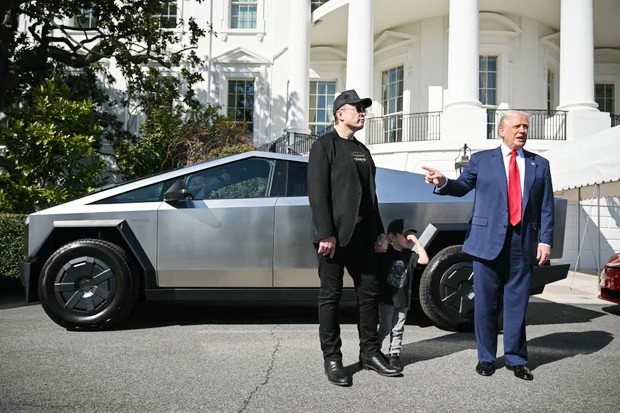
Elon Musk’s outspoken right-wing activism is reportedly dampening enthusiasm for Tesla and electric vehicles (EVs) among US liberal consumers, analysts say, raising concerns about the broader market’s growth prospects. While liberals express frustration with Musk’s political stances, conservatives remain largely indifferent to EV adoption, creating a complex political dynamic around the shift to clean transport.
Polarising figure impacts Tesla’s appeal
Once widely celebrated as a visionary entrepreneur, Elon Musk has increasingly drawn criticism from progressive voters for his vocal conservative views and controversial statements on social media and in public forums. This backlash appears to be affecting Tesla’s brand perception among liberal Americans, who make up a significant share of early EV adopters.
Surveys and market research indicate a growing reluctance among liberal consumers to purchase Tesla vehicles or other electric cars associated with Musk. Many cite discomfort with Musk’s political activism and concerns over social issues as reasons to reconsider or delay EV purchases.


Automotive industry analysts warn that this political polarization risks slowing EV market penetration in key demographics, undermining national goals to reduce carbon emissions and shift away from fossil fuels.
Conservatives remain sceptical but not more engaged
Meanwhile, conservative consumers—long sceptical of climate policies and EV incentives—have not responded positively to Musk’s activism either. While some conservatives admire Musk’s entrepreneurial success, this has not translated into a broader embrace of electric vehicles.
Cost, range anxiety, and cultural resistance continue to be major barriers within conservative communities. Consequently, EV sales remain concentrated among urban and progressive buyers, limiting the pace of widespread adoption.
Implications for the EV industry
The political divide poses strategic challenges for EV manufacturers and policymakers aiming for rapid decarbonisation of the transport sector. Musk’s personal brand, closely linked to Tesla’s market identity, may inadvertently restrict the company’s appeal and create headwinds for competitors tied to his influence.
Some manufacturers are increasingly focusing on diversifying their product lines and branding to appeal across the political spectrum, recognising that overcoming cultural and ideological resistance is crucial to expanding EV acceptance.
Broader cultural and market dynamics
The Musk effect highlights how cultural and political factors are becoming intertwined with technology adoption in the United States. Electric vehicles are no longer merely an environmental or economic choice but also a statement that can carry partisan connotations.
Industry observers caution that unless EV proponents find ways to depoliticise the technology and engage a broader audience, the transition risks becoming fragmented and slower than anticipated.
Looking ahead
As the Biden administration and state governments push for stricter emissions targets and increased EV incentives, addressing the political divide around electric vehicles will be key. Whether Elon Musk can reconcile his public persona with the aspirations of progressive consumers, or whether the market will shift to other manufacturers, remains an open question.
For now, the intersection of politics and clean technology is proving a complex terrain for one of the world’s most talked-about entrepreneurs and the industry he helped pioneer.
REFH – Newshub, 31 July 2025
Elon Musk’s outspoken right-wing activism is reportedly dampening enthusiasm for Tesla and electric vehicles (EVs) among US liberal consumers, analysts say, raising concerns about the broader market’s growth prospects. While liberals express frustration with Musk’s political stances, conservatives remain largely indifferent to EV adoption, creating a complex political dynamic around the shift to clean transport.
Recent Comments