
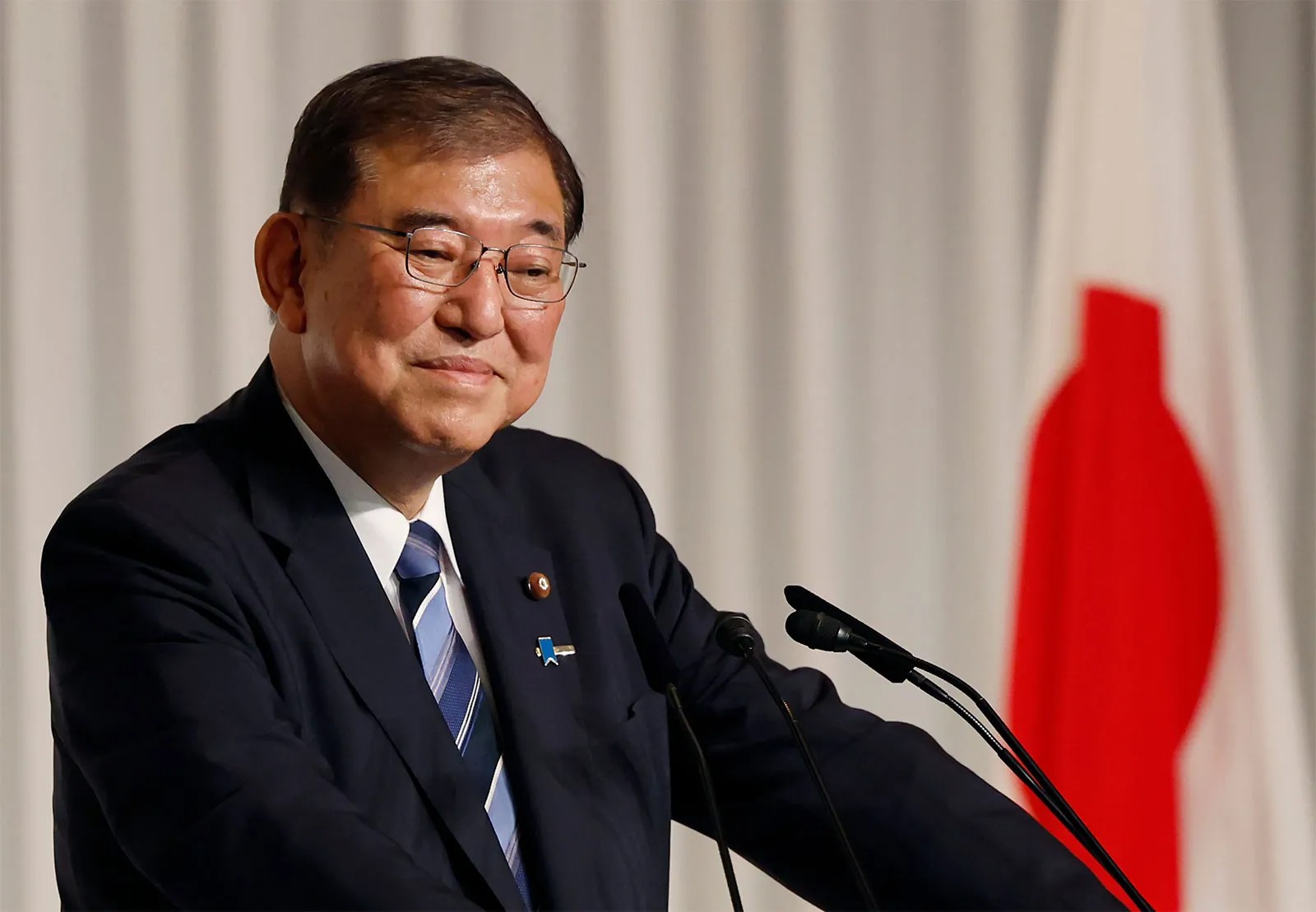
Japan is bracing for a period of political recalibration after Prime Minister Shigeru Ishiba’s ruling coalition lost its majority in the upper house, signalling a shift in the country’s power dynamics and setting the stage for a more complex legislative landscape.
Election results mark a pivotal moment
In weekend elections widely viewed as a mid-term test of the Ishiba administration, the Liberal Democratic Party and its junior partner failed to retain control of the House of Councillors. Although the ruling bloc remains in charge of the more powerful lower house, the loss introduces new hurdles for Ishiba’s legislative agenda, particularly on constitutional reform and economic restructuring.
A mandate reshaped, not lost
While the outcome does not force a resignation or a snap election, it reflects growing public unease over issues ranging from inflation and wage stagnation to defence policy and demographic pressures. Analysts note that voter turnout was relatively high, with younger demographics playing a decisive role in reshaping the balance of power. Opposition parties, though fragmented, gained ground by focusing on cost-of-living concerns and proposing more assertive climate and social policies.

Policy implications and gridlock risks
Without upper house control, Ishiba’s government will now require cross-party support to pass major legislation, especially constitutional amendments and tax reforms. This could lead to greater legislative deadlock, but also open the door to more negotiated, consensus-driven policymaking. The Ishiba administration, known for its technocratic and defence-focused orientation, is expected to moderate some positions to maintain stability.
Foreign policy and economic strategy
On the international front, Japan’s foreign policy is unlikely to shift significantly. Ishiba has maintained strong relations with the US, advocated for regional security alliances, and cautiously engaged with China. However, increased domestic scrutiny may slow plans for expanded defence spending. Economically, the government is expected to continue its digital transformation and decarbonisation agenda, though without a strong upper house majority, fiscal stimulus and structural reform may face delays or dilution.
A new equilibrium in Japanese politics
The election underscores a maturing democracy where voters are demanding accountability, inclusivity, and practical solutions to long-standing challenges. The loss of a clear majority does not signal collapse but rather a recalibration of how power is exercised. Whether Ishiba can adapt to a more consultative style of governance may determine both the longevity of his administration and the trajectory of Japan’s post-pandemic recovery.
REFH – Newshub, 21 July 2025
Recent Comments