
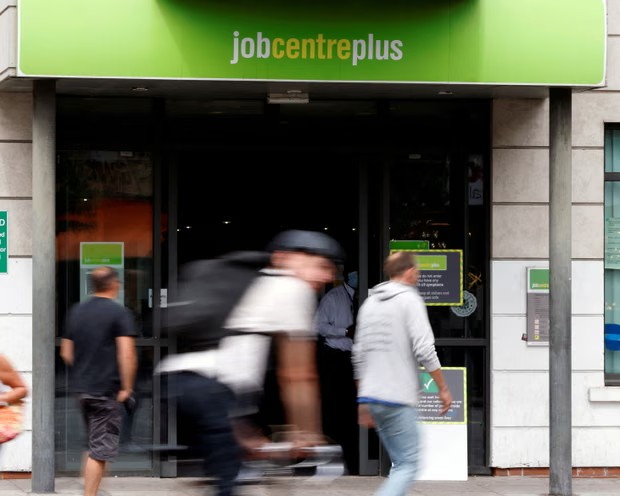
Fresh data showing a rise in UK unemployment and a notable slowdown in wage growth has intensified calls for the Bank of England to lower interest rates, as policymakers weigh the risks of a weakening labour market against persistent inflation concerns.
Jobless rate ticks upward
The UK unemployment rate rose to 4.5% in the three months to June, up from 4.4% previously and marking its highest level since September 2021. According to the Office for National Statistics, the number of people out of work increased by 35,000, while vacancies continued their downward trend, pointing to softening demand from employers.
Economists noted that the figures reflect a gradual cooling of the jobs market following years of post-pandemic tightness. Sectors such as construction, hospitality and retail have shown signs of reduced hiring activity, driven by both economic uncertainty and higher borrowing costs.

Wage growth slows more than expected
Average earnings excluding bonuses rose by 5.4% year-on-year, down from 6.0% in the previous quarter and below analysts’ forecasts. While still above the Bank of England’s inflation target, the pace of wage growth has clearly begun to decelerate, suggesting that pressure on employers to raise pay is easing.
The real-terms pay picture has also shifted. With inflation falling faster than wages, households are beginning to experience a modest recovery in purchasing power. However, analysts caution that the wider economy remains fragile, with consumer sentiment and retail sales still under pressure.
Mounting calls for a rate cut
The latest data comes at a delicate moment for the Bank of England, which has held rates at 5.25% since August 2023. Markets are now pricing in a growing likelihood of a rate cut as early as September, with policymakers facing increased scrutiny over how long they can maintain tight monetary policy without damaging employment and growth.
Several economists argue that the Bank risks overtightening if it fails to respond to signs of labour market weakness. “The combination of rising joblessness and slowing pay points clearly to a cooling economy,” said Helen Warren, chief UK economist at Glenbridge Capital. “There’s a strong case now for loosening policy sooner rather than later.”
Political and market implications
The employment figures could also have political consequences ahead of next year’s general election. With cost-of-living pressures still dominating the public discourse, any deterioration in job security could heighten voter dissatisfaction. At the same time, financial markets responded with a dip in the pound and a rise in gilt prices, reflecting expectations of looser monetary policy ahead.
All eyes will now turn to the Bank of England’s next meeting, as the central bank weighs the balance between growth risks and inflation stability. A rate cut would mark a significant shift in post-pandemic policy direction and signal that the tightening cycle has definitively ended.
REFH – Newshub, 17 July 2025
Recent Comments