
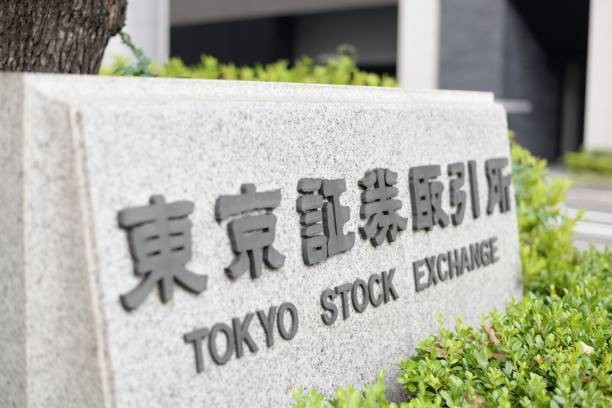
Asian markets opened cautiously on Monday as investors weighed weak Chinese economic data against expectations of further stimulus from Beijing, while geopolitical tension and inflation concerns lingered across the region.
Muted gains across key indices
Trading across Asia-Pacific was subdued in early hours, with Tokyo’s Nikkei 225 edging up by 0.3% amid mixed corporate earnings, while Hong Kong’s Hang Seng slipped 0.6% as tech stocks lost ground. The Shanghai Composite opened flat before turning negative following weaker-than-expected data on industrial production and retail sales in China, raising further doubts about the strength of the country’s post-pandemic recovery.
South Korea’s Kospi also dipped 0.2% despite stronger-than-forecast export figures, as concerns about continued US rate uncertainty and China’s economic trajectory kept investor sentiment restrained. In Australia, the ASX 200 remained near unchanged as miners struggled under falling iron ore prices, though energy shares saw modest gains.

China’s sluggish data underscores stimulus hopes
China’s latest batch of economic data released over the weekend showed industrial output rising just 4.3% year-on-year in June, below the expected 5%, while retail sales growth slowed to 2.7%. Fixed-asset investment also missed forecasts, adding to the mounting evidence that domestic demand remains soft despite repeated policy support.
Traders and economists now expect Beijing to introduce more targeted fiscal measures in the coming weeks, potentially including local government bond issuance or sector-specific credit easing. However, scepticism remains around the effectiveness of these efforts given ongoing property sector instability and deflationary pressures.
Geopolitical tension and rate path weigh on sentiment
Markets were also navigating increased geopolitical risk following Taiwan’s announcement of expanded military drills in response to heightened Chinese naval activity near its coast. The developments come as Washington and Beijing maintain strained diplomatic ties, which continue to shadow regional confidence.
Meanwhile, investors remain alert to shifting signals from the US Federal Reserve. Friday’s firm US producer price index reading re-ignited debate over the timing of rate cuts, pushing Treasury yields higher in overnight trading and keeping Asian markets on edge. Many traders now expect the Fed to wait until September or later before making its first move, a sentiment likely to influence risk appetite in the coming weeks.
Currency and commodity moves reflect caution
The Japanese yen weakened slightly to 159.3 against the dollar as investors sought yield advantage in US assets, while the Australian dollar held steady despite iron ore’s 1.8% drop overnight. Gold prices remained range-bound around $2,405 per ounce, with investors hesitant to take new positions ahead of more inflation data this week. Brent crude edged down 0.4% to $85.60 a barrel, reflecting uncertainty about both demand from Asia and ongoing production restraint by OPEC+ members.
Looking ahead
Market participants will be watching closely for policy signals from China’s upcoming Politburo meeting later this month, as well as comments from key US Federal Reserve officials due later today. The outcome of these events may provide firmer direction for Asian equities, which currently remain tethered to external developments and macroeconomic ambiguity.
REFH – Newshub, 15 July 2025
Recent Comments