
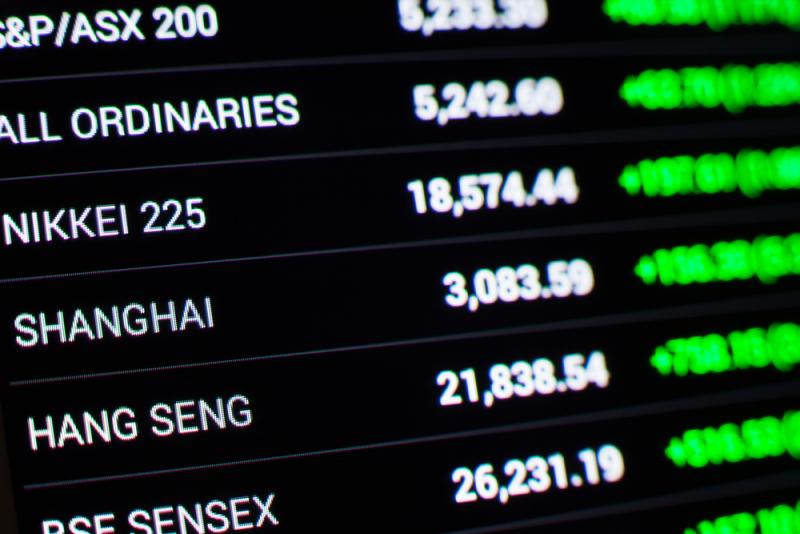
On 8 July 2025, Asian markets displayed a varied performance at the opening bell, reflecting cautious optimism as nations negotiate with the US to mitigate proposed tariffs. Japan’s Nikkei 225 rose modestly by 0.3%, driven by export-oriented firms buoyed by a softer yen, while Australia’s ASX 200 dipped 0.5% due to commodity price concerns. The MSCI Asia Pacific Index fell slightly by 0.3%, with investors weighing the impact of US President Trump’s tariff letters to 14 countries, now delayed to 1 August.
The Shanghai Stock Exchange opened flat, with the SSE Composite showing little movement as traders awaited clarity on China’s response to potential US tariffs of 25–40%. Hong Kong’s Hang Seng gained 0.7%, supported by tech stocks, while South Korea’s KOSPI edged up 0.3% on semiconductor strength. Posts on X highlighted mixed sentiment, with some noting Japan’s Prime Minister Ishiba calling the revised tariffs “regrettable” but pledging to protect national interests. Crude oil prices slipped, and the US dollar remained soft, influencing market dynamics. These factors suggest Asian markets are navigating uncertainty but finding some stability in sector-specific gains.
European markets, set to open at 8:00 AM GMT, are expected to follow a cautious trajectory. The STOXX Europe 600, which closed up 0.4% yesterday, may see muted gains as investors assess the tariff delay’s implications. The London Stock Exchange, opening at 8:00 AM GMT, could face pressure on commodity-linked stocks, given the overlap with Australia’s weaker performance. Euronext exchanges, including Paris and Amsterdam, are likely to open steady, with focus on defensive sectors like utilities and healthcare. The absence of a lunch break in European trading hours may sustain momentum, but volatility could rise if tariff negotiations yield unexpected outcomes.

In the US, markets are poised for a cautious start when the NYSE and NASDAQ open at 9:30 AM ET (2:30 PM GMT). The S&P 500, down 0.6% yesterday to 6,239.94, and the NASDAQ, which fell 0.9%, reflect tech sector weakness amid tariff concerns. However, the tariff deadline extension to August offers a window for trade agreements, potentially easing pressure on US equities. Investors will monitor pre-market trading from 4:00 AM ET for early signals, with after-hours trading until 8:00 PM ET likely to react to any late-breaking news. Gold prices, down 0.5% to $3,321.47/oz, and Brent crude futures, up 1.4% to $69.23/bbl, suggest mixed commodity signals influencing market sentiment.
The global market outlook hinges on ongoing trade talks and economic data releases, such as Canada’s Ivey PMI at 6:00 PM GMT, which could sway sentiment in North American markets. While Asian markets show resilience, European and US markets may face headwinds from tariff uncertainties and sector-specific pressures, with traders advised to monitor liquidity and volatility during opening hours.
REFH – newshub finance
Recent Comments