
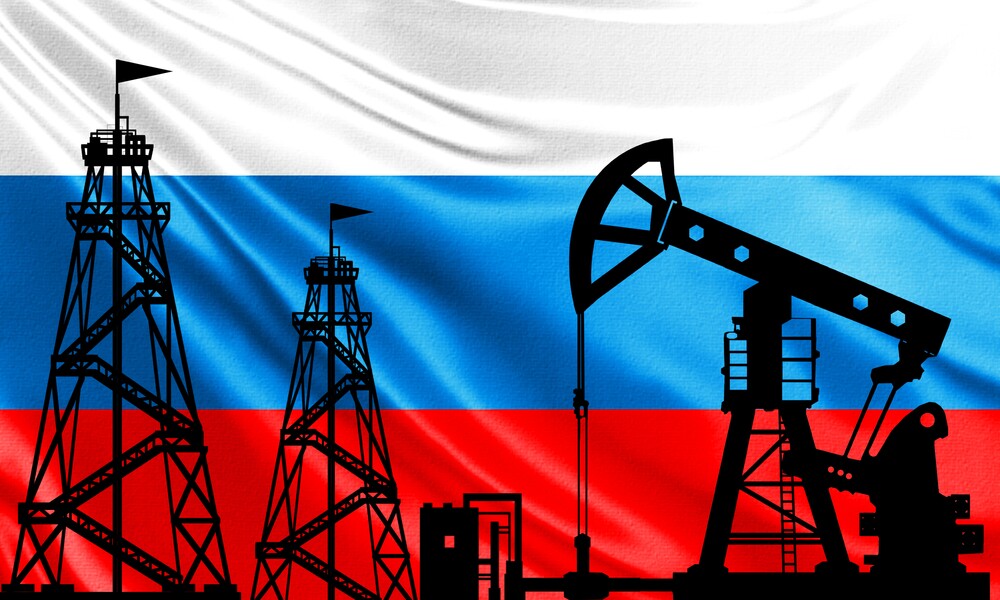
The European Union is preparing a new round of measures aimed at tightening pressure on Russia’s energy revenues, with a particular focus on enforcement of the oil price cap and penalties for companies linked to the Nord Stream gas pipelines. The proposed sanctions, expected to be finalised in the coming days, reflect a shift in strategy towards closing loopholes and pursuing financial actors previously shielded from direct penalties.
Officials in Brussels are drafting the 14th sanctions package since Russia’s invasion of Ukraine in 2022. While earlier rounds targeted key sectors and individuals, the latest plan is more surgical, zeroing in on how Russian oil continues to reach global markets above the agreed price cap and how profits are routed through shadow shipping networks and permissive jurisdictions.
Under the G7-led oil price cap, Russian crude is meant to be sold below $60 per barrel, limiting Moscow’s ability to fund its war machine. But Western officials have acknowledged that lax monitoring, especially in maritime logistics and insurance, has allowed Russian oil to trade well above that threshold, sometimes above $70 — via opaque intermediaries, particularly through ports in Asia, the Middle East, and parts of Africa.

The European Commission’s draft now includes proposals to sanction vessels and shipping companies facilitating these trades, as well as European firms found to be involved in providing services, including insurance and financing, to such shipments. There is also a renewed effort to name and freeze assets linked to a network of traders and brokers who obscure oil origins and pricing.
In parallel, EU diplomats are finalising measures that would penalise investors and service providers associated with the Nord Stream 1 and Nord Stream 2 gas pipelines, which were severely damaged by sabotage in September 2022. While neither pipeline is currently operational, their symbolic and strategic weight continues to loom over Europe’s energy politics.
Nord Stream 2 AG, the Swiss-based company behind the second pipeline, has already filed for insolvency, but several European investors — notably in Germany, Austria, and the Netherlands — remain financially entangled. The new measures could include asset freezes and restrictions on future business dealings with Russian state-backed energy infrastructure.
This marks a notable hardening of Brussels’ stance, particularly towards entities in member states that had previously lobbied to maintain some ties with Russian energy interests. Some diplomats see this as a long-overdue recognition that economic entanglement with Moscow carries not only political but also security risks.
Reactions have been mixed. Poland and the Baltic states support the tougher stance, arguing it’s essential to maintain pressure on Russia as the war in Ukraine grinds on. Germany and Hungary have expressed concerns about the impact on domestic companies, though Berlin is reportedly willing to support a compromise if enforcement mechanisms are clearly defined and narrowly applied.
For investors, the shift could have material consequences. Companies exposed to shipping, energy trading, or previously exempt infrastructure assets now face the risk of direct sanctions or reputational damage. Several European financial institutions are said to be reviewing client portfolios in anticipation of the new rules.
With the European Parliament elections concluded and Ursula von der Leyen expected to return as Commission president, the EU is likely to push for swifter alignment across member states. The new package, once approved, will signal not only continued support for Ukraine but also a recalibration of how Europe handles energy security and financial accountability in wartime.
While it is unlikely to immediately curtail Russian exports, the measures are designed to close gaps, dissuade European complicity, and tighten the economic noose on a Kremlin still reliant on oil and gas revenue to sustain its war effort.
newshub finance
Recent Comments