
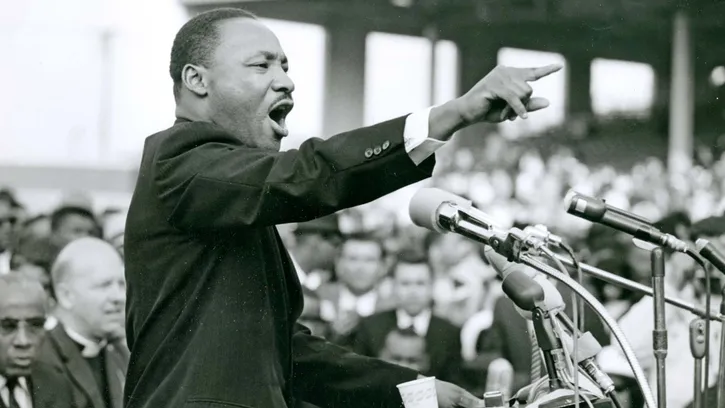
Martin Luther King Jr., an iconic figure in the civil rights movement, was assassinated on April 4, 1968, leaving behind a legacy that continues to inspire generations. Born on January 15, 1929, in Atlanta, Georgia, King emerged as a prominent leader advocating for racial equality, justice, and nonviolent protest.
King’s life was marked by his commitment to social change through peaceful means. Inspired by Mahatma Gandhi’s philosophy of nonviolence, King played a pivotal role in organizing numerous protests, marches, and boycotts, including the Montgomery Bus Boycott and the March on Washington, where he delivered his legendary “I Have a Dream” speech in 1963. His powerful oratory skills and unwavering dedication captured the hearts and minds of millions, galvanizing the civil rights movement across America.
However, amidst his tireless efforts to combat racial segregation and discrimination, King faced immense opposition and hostility. His advocacy for racial equality challenged the status quo, leading to confrontations with authorities and white supremacists. Despite numerous threats to his life and multiple arrests, King remained steadfast in his pursuit of justice and equality for all.

Tragically, King’s life was cut short when he was assassinated at the Lorraine Motel in Memphis, Tennessee, on April 4, 1968. The nation was plunged into mourning as news of his death spread, sparking outrage and widespread protests across the country. King’s assassination was not just a loss for the civil rights movement but a profound tragedy for the entire nation.
In the aftermath of his death, King’s legacy endured, becoming a symbol of hope, courage, and resilience in the face of adversity. His message of nonviolence and his vision of a society where all individuals are judged by the content of their character rather than the color of their skin continues to resonate with people around the world.
The impact of King’s work is evident in the progress made towards racial equality, though challenges persist. His contributions paved the way for significant legislative achievements, such as the Civil Rights Act of 1964 and the Voting Rights Act of 1965, which dismantled legal barriers to equality. Yet, systemic racism and social injustice continue to plague society, highlighting the ongoing relevance of King’s teachings and principles.
As we commemorate the anniversary of Martin Luther King Jr.’s assassination, it is essential to reflect on his life and legacy. His courage, compassion, and commitment to justice serve as a guiding light for future generations, reminding us of the power of collective action and the enduring quest for equality and freedom for all. Though King may have been taken from us prematurely, his spirit lives on in the hearts of those who continue to champion his dream of a more just and inclusive society.
newshub
Recent Comments