
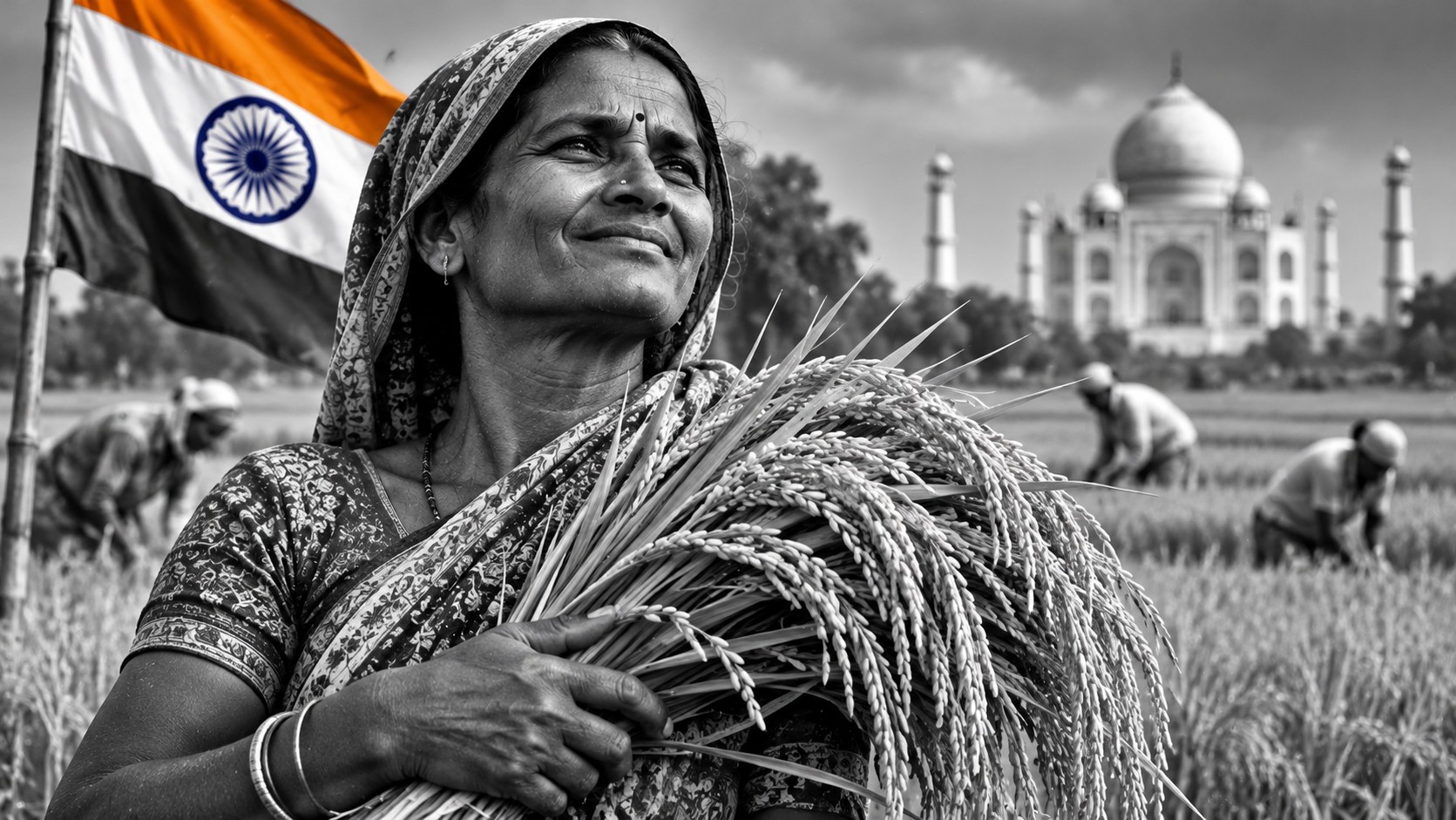
India has doubled its target for rice sales to private traders under its open market scheme, as the government steps up efforts to curb rising prices and protect domestic supply. The move highlights growing concern over food inflation in one of the world’s largest grain markets, where any change in official policy can influence consumers, traders and global agricultural sentiment.
Larger state sales planned
According to Reuters, India has raised its target for rice sales under the open market scheme to 5 million metric tonnes for the 2026-27 financial year, doubling the previous objective.


The programme allows the government to release rice from its stockpiles to private traders, increasing market availability and helping to ease upward pressure on prices.
The decision comes as concerns grow over production and the impact that tighter supply could have on household budgets. Rice remains a staple food for hundreds of millions of Indians, making price stability a politically and economically sensitive issue.
Food inflation remains a concern
India has faced repeated challenges in managing food inflation, particularly in essential commodities such as rice, wheat, pulses and vegetables.
When production worries emerge, the risk is not only higher retail prices but also broader inflationary pressure across the economy.
By increasing the volume of rice available through official channels, the government is attempting to reassure the market that supply will remain adequate.
The policy may also help reduce speculative pressure among traders, who can push prices higher if they expect tighter availability in the months ahead.
Importance beyond India
India plays a major role in world food markets, and its grain policies are followed closely by importers and agricultural investors.
Any official action affecting domestic supply can have implications beyond the country’s borders, especially at a time when global food security remains vulnerable to weather disruptions, logistics problems and geopolitical tensions.
For domestic consumers, however, the immediate significance is simpler: the government is trying to prevent staple-food costs from rising too quickly.
Balancing producers and consumers
The challenge for New Delhi will be striking a balance between supporting farmers and protecting consumers from excessive price increases.
Releasing more state-held rice may cool the market in the short term, but policymakers will still need to monitor harvest conditions and stock levels carefully.
For now, the doubled sales target sends a clear signal that the government is prepared to intervene more aggressively to stabilise one of the country’s most important food markets.
NewsHub Finance | India | 8 November 2026
India has doubled its target for rice sales to private traders under its open market scheme, as the government steps up efforts to curb rising prices and protect domestic supply. The move highlights growing concern over food inflation in one of the world’s largest grain markets, where any change in official policy can influence consumers, traders and global agricultural sentiment.

Recent Comments