
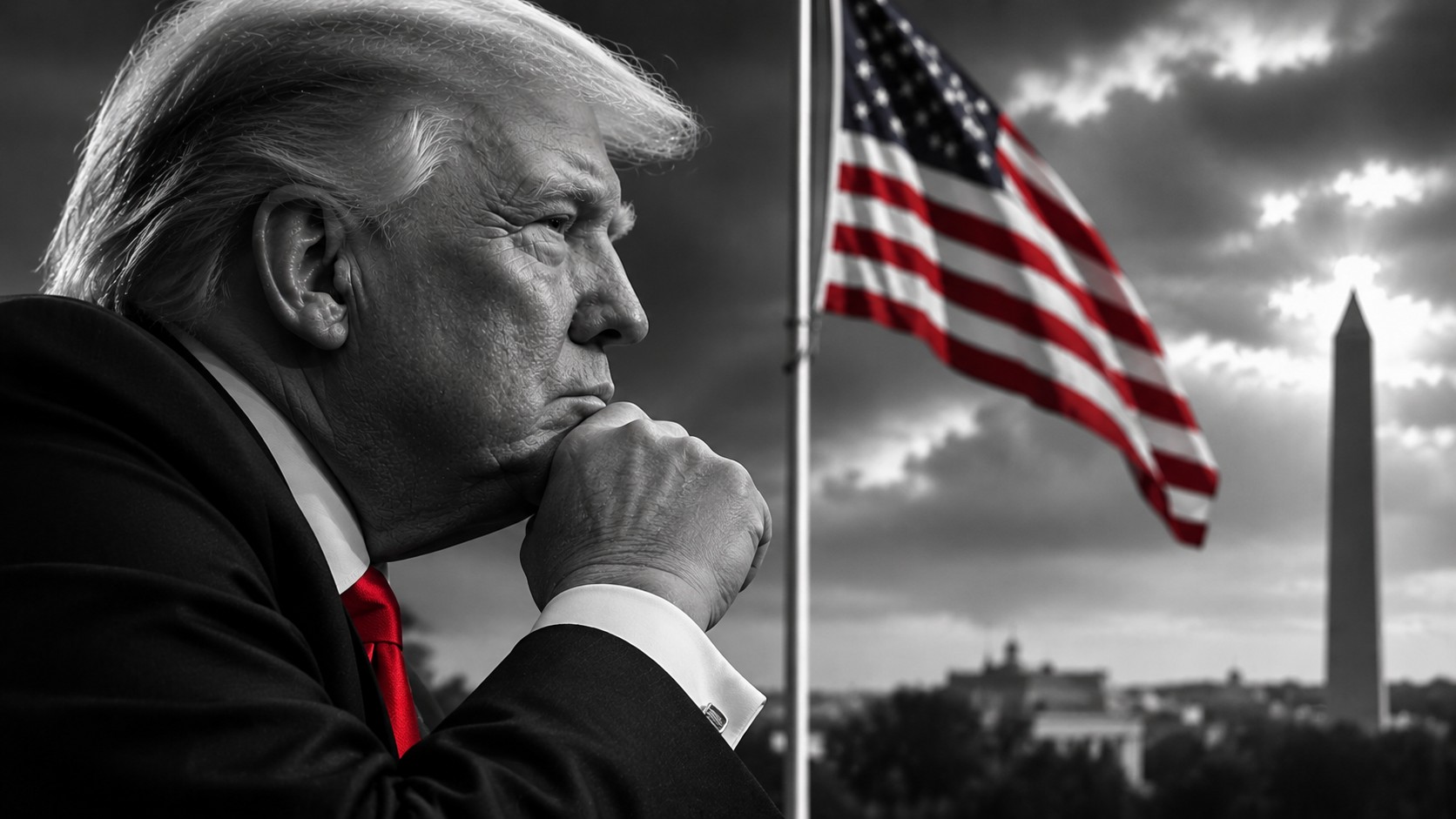
With Americans voting on 3 November 2026, President Donald Trump faces one of the most consequential political tests of his second presidency. His closing campaign has combined warnings about Democratic candidates, renewed allegations concerning election integrity and ambitious economic promises. Yet the latest polling reveals a striking contradiction: Trump remains dominant within his political movement while a substantial proportion of independent voters view the election as an opportunity to oppose him.
By the NHX Investigative Desk | NewsHub Finance
FOLLOW THE MONEY. VERIFY THE POWER.


A president making himself the election issue
Trump has spent the closing weeks campaigning across competitive states, attempting to transfer his personal support to Republican congressional candidates.
In a 2 November telephone rally, he urged supporters to “pretend I’m on the ballot”.
The strategy is potentially double-edged. It may mobilise loyal Republicans, but it also gives dissatisfied voters a direct reason to support Democrats.
Trump’s final Washington appearance reinforced his confrontational message, portraying Democratic candidates as dangerous extremists and warning of sweeping consequences if Republicans lose control of Congress.
November 2, 2026+1
The numbers reveal his central weakness
A Reuters/Ipsos survey completed on 2 November placed Trump’s approval rating at just 32%.
Democrats led Republicans by 46% to 38% among registered voters asked which party they preferred for Congress.
More revealing was the independent vote: 50% of independent registered voters described their congressional choice as opposition to Trump, compared with only 13% who regarded it as support for him.
The findings suggest that Trump’s visibility could energise both sides, with potentially greater consequences for Republicans in competitive suburban districts.
Reuters+1
Economic promises meet household reality
Trump’s closing argument has emphasised employment, exports, energy production and his administration’s economic achievements.
At the Lincoln Memorial on Monday, he also promised a $5,000 payment to every American adult if Republicans won, with spending restricted to the United States.
However, the proposal’s financing and legislative feasibility remain unresolved.
Economic dissatisfaction presents a more immediate problem. The Reuters/Ipsos survey found that 78% of voters considered rising living costs a very important or decisive electoral issue.
On affordability, voters trusted Democrats over Republicans by 43% to 32%.
These results do not establish that Trump’s latest speeches changed voting intentions. They do indicate that his economic message faces considerable public scepticism.
November 2, 2026+1
Election integrity rhetoric raises new concerns
Trump has also revived accusations about the 2020 presidential election and questioned electronic voting systems without substantiating claims of widespread fraud.
His statements have renewed concerns among voting-rights organisations about potential intimidation and challenges to election results.
Separately, reporting on Justice Department involvement in election-related disputes has raised questions about the administration’s approach to federal election oversight.
There is no established evidence that these interventions have changed today’s voting intentions. Their more significant implications may emerge during ballot counting and possible legal challenges.
Roll Call+1
The NHX assessment: Mobilisation versus rejection
Three factors could determine Trump’s political standing after the vote: Republican turnout, independent voters’ rejection of his presidency and whether economic dissatisfaction outweighs party loyalty.
Democratic voters currently report greater enthusiasm, with 49% describing themselves as highly enthusiastic compared with 33% of Republicans.
Trump’s strategy assumes that personal loyalty can overcome this disadvantage. The available polling suggests that assumption is far from secure.
The House appears particularly vulnerable to a Democratic takeover, while Senate control remains more competitive.
The central question is no longer simply whether Trump can mobilise his supporters. It is whether his presence motivates even more Americans to vote against his party.
Whatever tonight’s results, the election will reveal how far his political influence extends beyond the electorate that returned him to the White House.
NewsHub Finance | NHX Investigations | 3 November 2026
With Americans voting on 3 November 2026, President Donald Trump faces one of the most consequential political tests of his second presidency. His closing campaign has combined warnings about Democratic candidates, renewed allegations concerning election integrity and ambitious economic promises. Yet the latest polling reveals a striking contradiction: Trump remains dominant within his political movement while a substantial proportion of independent voters view the election as an opportunity to oppose him.

Recent Comments