
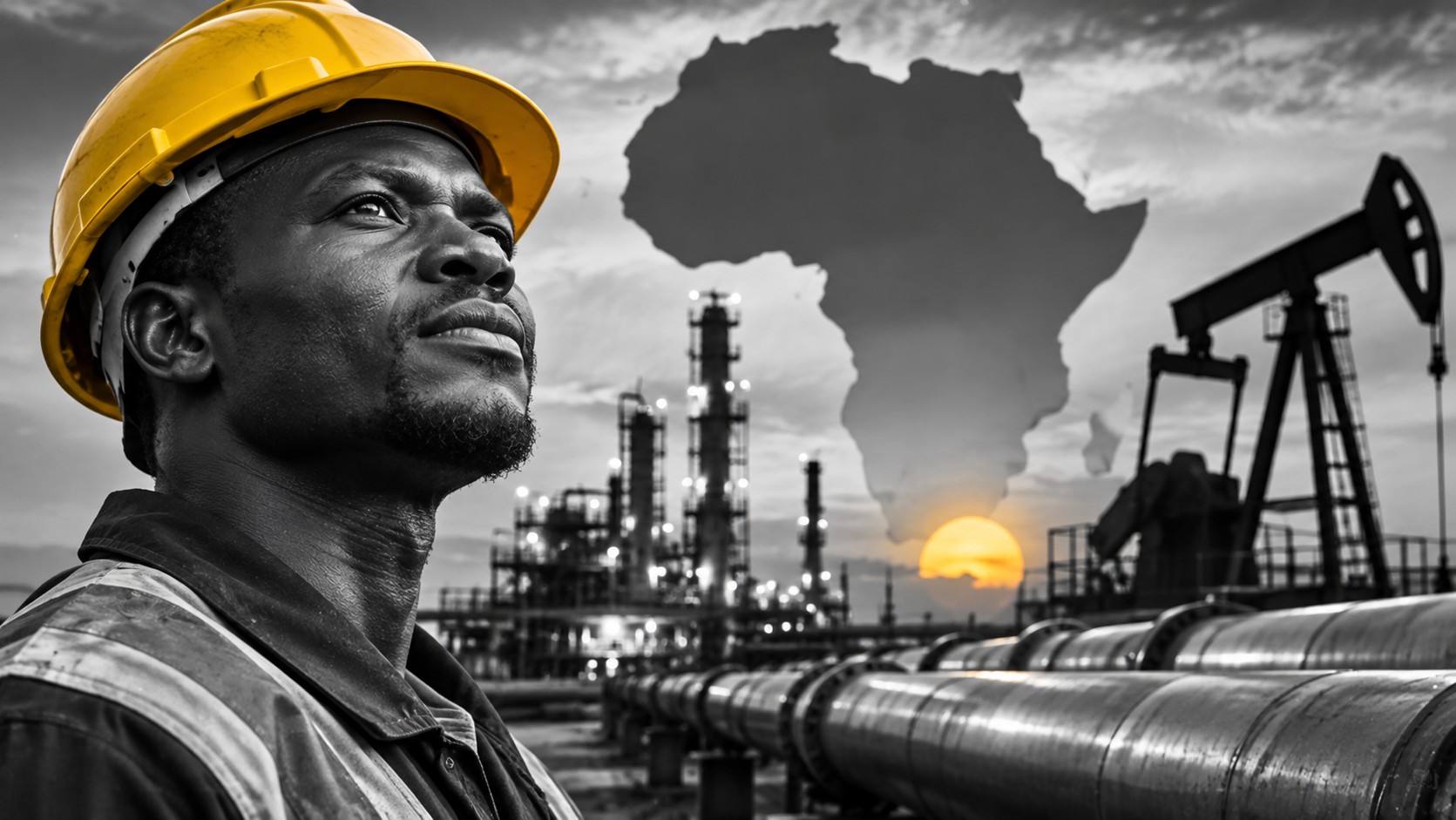
Africa has taken a significant step towards financing its own energy development with the formal establishment of the Africa Energy Bank, a new financial institution backed by the African Export-Import Bank and the African Petroleum Producers’ Organisation. With authorised capital of $5 billion, the initiative aims to address growing investment shortages as international lenders reduce their exposure to fossil-fuel projects across the continent.
Reuters+1
A new financial institution for Africa
The Africa Energy Bank was formally established following an agreement between the African Export-Import Bank (Afreximbank) and the African Petroleum Producers’ Organisation (APPO).


The institution is designed to provide financing for African energy projects that have increasingly struggled to attract international capital.
Egyptian banker Helmy Ghazi has been appointed its first president, marking an important milestone in the bank’s development.
The $5 billion figure represents authorised capital rather than money already available for immediate lending.
International financing pressures increase
African energy producers have faced growing difficulties securing investment as major international banks and development institutions strengthen restrictions on fossil-fuel financing.
While renewable energy investment continues expanding globally, many African economies remain heavily dependent on oil and natural gas for government revenue, electricity generation and industrial development.
Supporters argue that African countries should have greater control over how their natural resources are financed and developed.
The new bank could provide an alternative source of funding for projects considered commercially important but increasingly difficult to finance internationally.
Nigeria and other producers could benefit
Major energy-producing countries, including Nigeria, Angola and Algeria, could potentially benefit from improved access to financing.
Investment opportunities include energy production, transportation infrastructure, processing facilities and other projects supporting regional energy markets.
However, the bank’s actual impact will depend on its ability to mobilise capital, evaluate commercial risks and establish sustainable lending operations.
Balancing energy security and climate commitments
The institution’s creation also highlights a broader debate surrounding Africa’s economic development.
International financial institutions increasingly prioritise renewable energy and climate-related investment.
African governments, meanwhile, argue that reliable energy supplies and industrialisation remain essential for poverty reduction, employment and economic growth.
The challenge will be balancing immediate development requirements with longer-term environmental responsibilities.
A broader ambition for African financial independence
The establishment of the Africa Energy Bank represents more than a new lending initiative.
It reflects an expanding effort among African financial institutions to mobilise domestic and regional capital rather than depend exclusively on international financing.
The development comes ahead of the Africa Financial Summit in Luanda, Angola, on 3–4 November, where the African Development Bank is expected to promote solutions to the continent’s estimated $400 billion annual development financing gap.
Whether the new bank can translate its ambitious capital structure into successful investments will be closely watched by governments, financial institutions and energy companies.
For Africa, the wider objective is clear: greater financial independence and stronger control over the investment required to support long-term economic development.
NewsHub Finance | Africa & Financial Markets | 2 November 2026
Africa has taken a significant step towards financing its own energy development with the formal establishment of the Africa Energy Bank, a new financial institution backed by the African Export-Import Bank and the African Petroleum Producers' Organisation. With authorised capital of $5 billion, the initiative aims to address growing investment shortages as international lenders reduce their exposure to fossil-fuel projects across the continent.

Recent Comments