
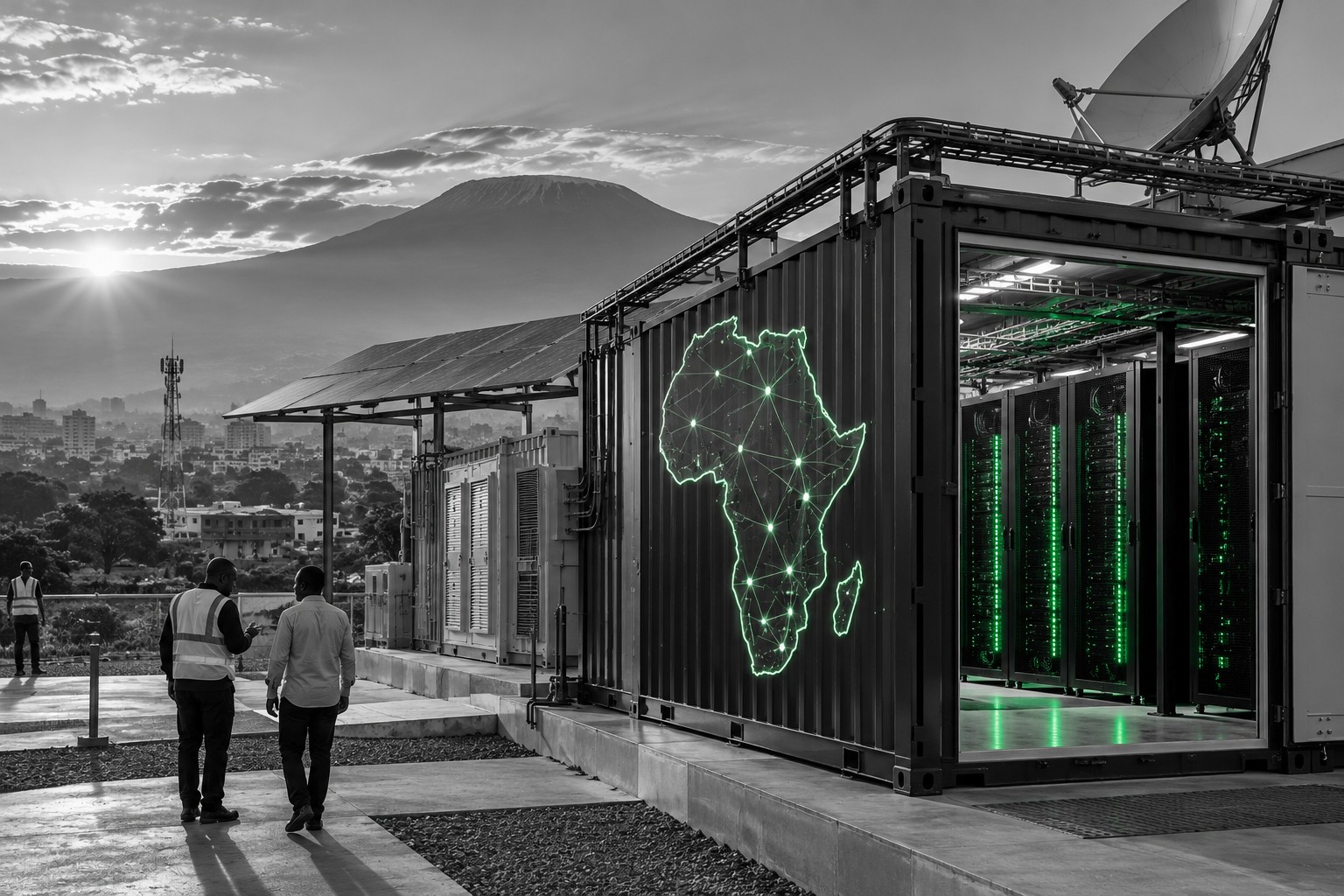
Three African nations are testing a new generation of cross-border payment systems that could transform how money moves across the continent. Ghana, Nigeria and Rwanda are exploring the interoperability of blockchain-based stablecoins, central bank digital currencies and mobile wallets, aiming to reduce transaction costs, eliminate unnecessary intermediaries and expand financial inclusion for millions of individuals and small businesses.
A new chapter for African digital finance
The Bank of Ghana announced the initiative during the International Monetary Fund and World Bank annual meetings in Bangkok on 13 October.
Governor Johnson Pandit Asiama confirmed that testing is taking place along the Ghana–Nigeria and Ghana–Rwanda payment corridors.


The programme examines how different forms of digital money can move between financial institutions and mobile payment platforms without relying on traditional correspondent banking networks outside Africa.
The initiative also extends the Pan-African Payment and Settlement System (PAPSS) to mobile wallets in the Ghana–Nigeria corridor.
Blockchain and stablecoins enter the picture
A central component of the testing involves stablecoins, digital tokens generally designed to maintain a stable value relative to conventional currencies.
Combined with central bank digital currencies and existing mobile money infrastructure, these technologies could enable businesses to settle transactions more efficiently across national borders.
Rather than requiring every transaction to pass through international banking intermediaries, the proposed system would connect participating domestic payment networks.
However, not every component relies on blockchain technology. The objective is interoperability between different payment systems, regardless of their underlying technology.
A breakthrough for small businesses
Cross-border payments remain expensive and complicated for many African entrepreneurs.
Transaction fees, foreign exchange restrictions and settlement delays can create substantial barriers for small traders operating between neighbouring countries.
The Bank of Ghana estimates that cross-border payment costs in Africa remain above eight per cent in many circumstances.
Under the proposed arrangement, a trader in Accra could potentially pay a supplier in Lagos directly from a mobile wallet, using local currencies without first converting funds through US dollars.
Financial inclusion beyond traditional banking
Mobile money has already transformed financial access across much of Africa, allowing people without conventional bank accounts to receive payments, transfer money and participate in digital commerce.
Extending these services internationally could significantly expand their economic usefulness.
Ghana has also been pursuing regulatory cooperation with Rwanda through a licensing passport framework intended to simplify expansion for financial technology companies.
More than ten additional African countries are reportedly involved in discussions about broader regulatory cooperation.
From pilot projects to real-world transactions
The immediate challenge is turning successful technical testing into dependable commercial services.
Regulators must address financial crime prevention, consumer protection, exchange-rate transparency and operational security before widespread implementation.
No definitive timetable for full commercial deployment has been announced.
Nevertheless, the initiative demonstrates how blockchain-based assets and established payment infrastructure could work together to support Africa’s growing digital economy.
If successful, the project could help establish a more connected financial marketplace in which businesses and consumers move money across African borders with greater speed, affordability and independence.
NewsHub Finance | Blockchain & Financial Inclusion | 25 October 2026
Three African nations are testing a new generation of cross-border payment systems that could transform how money moves across the continent. Ghana, Nigeria and Rwanda are exploring the interoperability of blockchain-based stablecoins, central bank digital currencies and mobile wallets, aiming to reduce transaction costs, eliminate unnecessary intermediaries and expand financial inclusion for millions of individuals and small businesses.

Recent Comments