
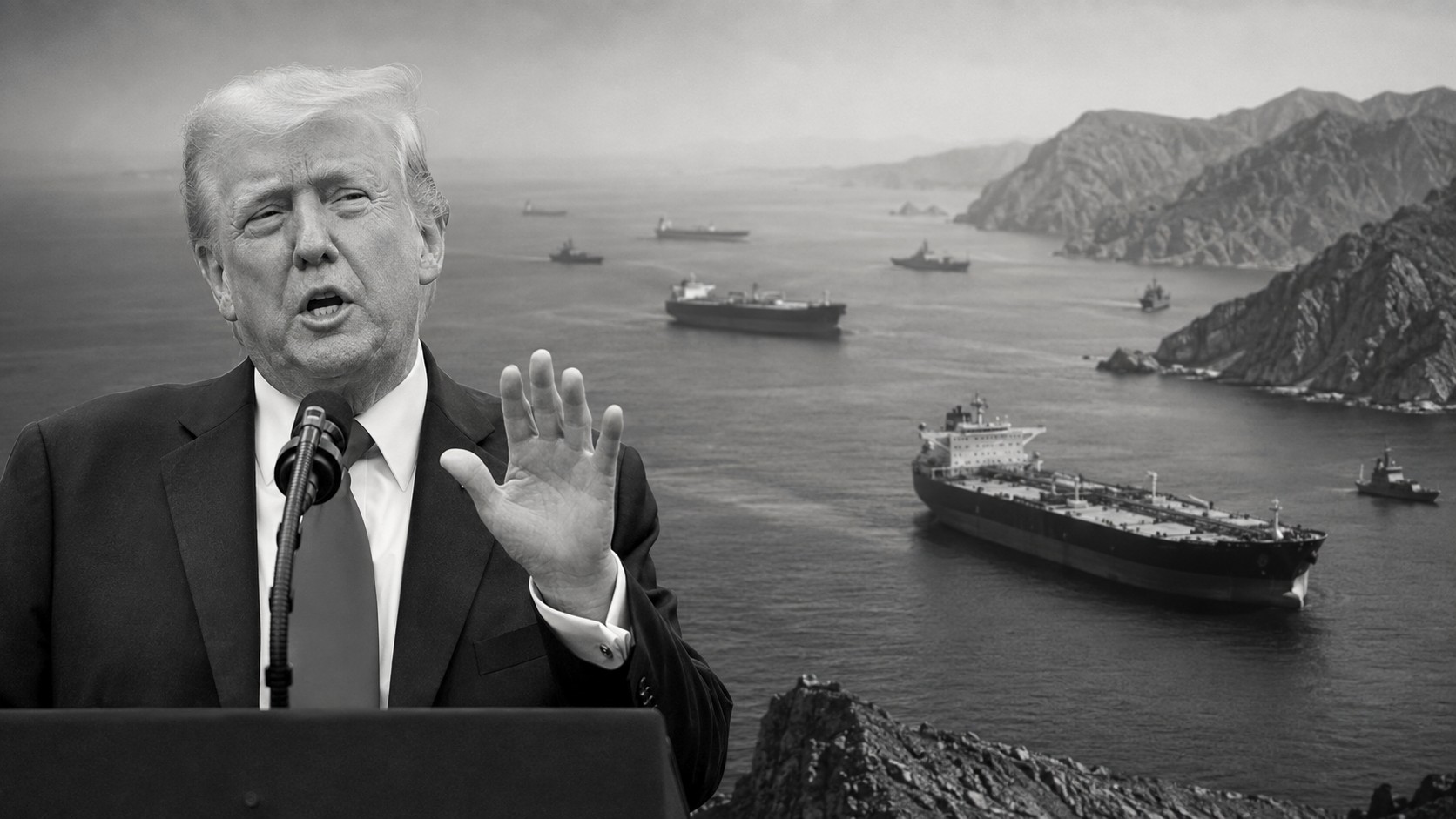
The confrontation between Washington and Tehran is entering a more dangerous phase after Donald Trump rejected Iran’s latest proposal to reopen the Strait of Hormuz, while the United States prepares a larger military presence in the region. The dispute combines nuclear demands, sanctions, shipping security and the threat of renewed strikes.
A proposal rejected in Washington
Iran has offered to reopen the Strait of Hormuz and resume diplomatic discussions, but Trump has described the proposal as insufficient. In an interview reported this week, the US president warned that military action could resume after the November midterm elections if Tehran does not accept what Washington considers an acceptable agreement.
The disagreement centres on Iran’s nuclear programme, sanctions relief, compensation for war-related damage and control of the strategic waterway. Tehran says its nuclear activities are peaceful and that uranium enrichment is permitted under the Nuclear Non-Proliferation Treaty. The United States is demanding restrictions that would significantly reduce Iran’s nuclear capability.


Military pressure grows
A US official told Al Jazeera that three aircraft carriers and two landing groups are being deployed towards the region, with around 50,000 American personnel involved in the wider buildup. A force including approximately 2,000 Marines has reportedly left San Diego.
The deployment is intended to strengthen deterrence and protect American and allied infrastructure. It also increases the consequences of any incident involving shipping, military bases or regional partners.
A supertanker carrying approximately 2.5 million barrels of oil was reportedly hit by an unidentified projectile while passing through the Strait of Hormuz, causing a fire. No confirmed responsibility has been established.
Oil markets feel the pressure
Brent crude moved above $102 a barrel after reports of the additional US deployment. Prices later eased as traders assessed recovering Gulf exports and efforts to release emergency fuel reserves, but the market remains highly sensitive to developments around Hormuz.
The strait carries a major share of global oil shipments. Any prolonged disruption would raise transport and manufacturing costs far beyond the Middle East, adding pressure to inflation and interest-rate expectations.
Iranian officials continue to say that diplomacy remains possible. Washington, however, is combining negotiations with military pressure and an explicit threat of renewed attacks.
The central question is whether the buildup creates leverage for a settlement or leaves both sides with fewer safe options if talks fail.
Newshub Editorial in North America – 2 October 2026
The confrontation between Washington and Tehran is entering a more dangerous phase after Donald Trump rejected Iran’s latest proposal to reopen the Strait of Hormuz, while the United States prepares a larger military presence in the region. The dispute combines nuclear demands, sanctions, shipping security and the threat of renewed strikes.
Recent Comments