
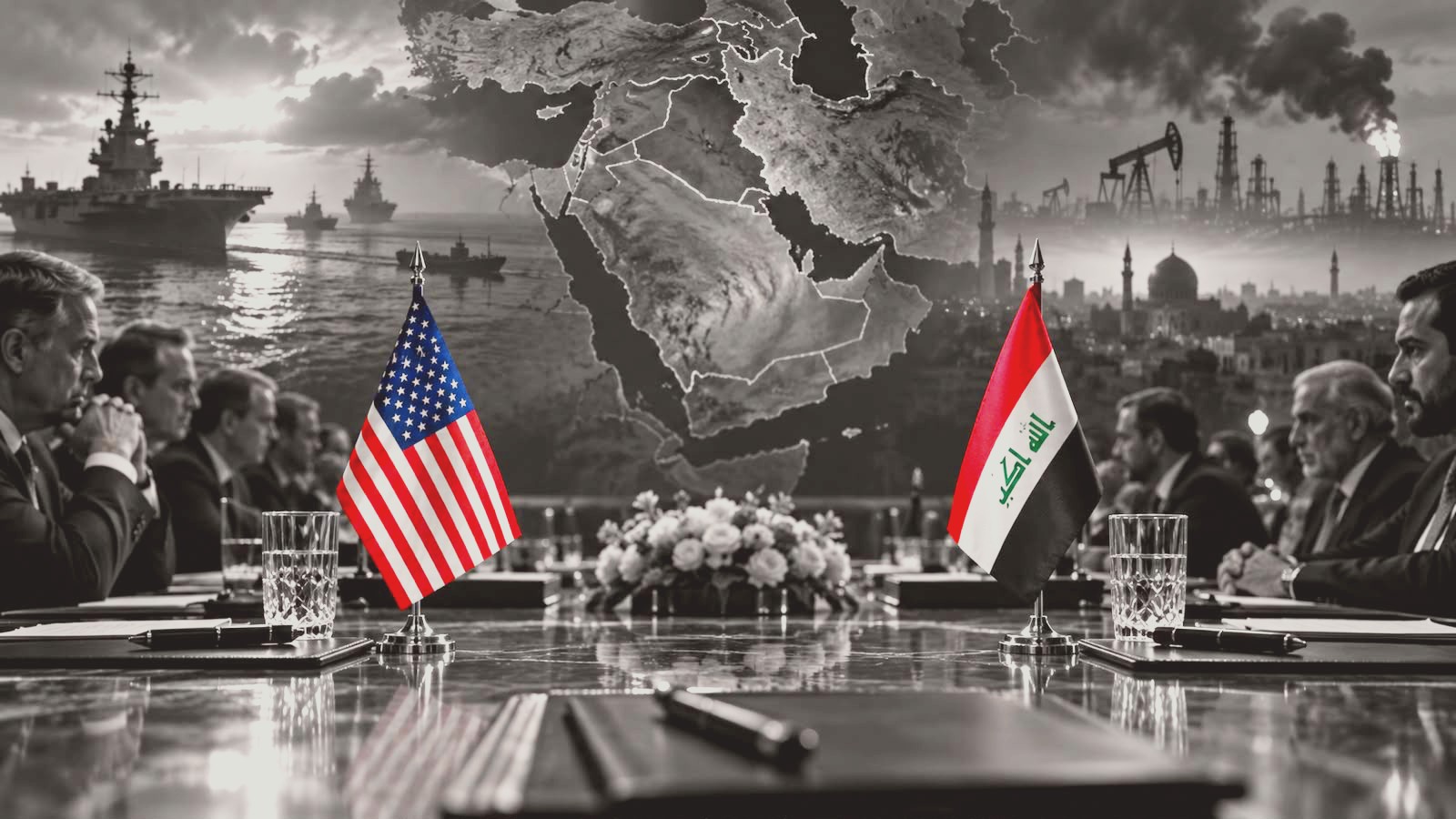
Iran says it has received Washington’s formal response to its latest proposal to end the seven-month war, renewing attention on negotiations with consequences for energy supplies and the world economy. The contents remain undisclosed, leaving uncertainty over whether the exchange represents progress towards an agreement.
Foreign Minister Abbas Araghchi presented the response to President Masoud Pezeshkian during Wednesday’s cabinet meeting, according to Iran’s government spokesperson. The exchange followed indirect diplomacy surrounding the United Nations General Assembly, with Qatar and Pakistan involved in mediation.
President Donald Trump had publicly rejected Iran’s proposal days earlier. Receipt of a formal reply therefore does not establish that Washington has accepted Tehran’s conditions.


Hormuz remains central
Iran has linked reopening the Strait of Hormuz to concessions including the release of frozen assets, relief from sanctions on oil exports and an end to the American blockade of Iranian ports.
The waterway remains a central issue in the negotiations. Restoring reliable passage would improve conditions for energy shipments, although the timing and implementation of any agreement remain uncertain.
Iran’s demands also include an end to hostilities across the region, including Lebanon, adding further complexity to the diplomatic process.
Energy pressures reach financial markets
Brent crude traded around $96–$97 a barrel early on Thursday, following a rise of approximately 42% during the third quarter. Meanwhile, the benchmark ten-year US Treasury yield stood around 5.3%, reflecting persistent concerns about inflation and borrowing costs.
The dollar also reached a three-month high as rising Treasury yields supported demand for the currency. Together, these market conditions create a difficult backdrop for economies dependent on imported energy and external financing.
Emerging economies face overlapping pressures
For fuel-importing countries, expensive oil increases import bills. A stronger dollar can amplify that burden in local currency, while higher global yields can make new borrowing and debt refinancing more costly.
These pressures can constrain governments’ spending and complicate central banks’ efforts to support growth while containing inflation.
An agreement that improves shipping security could ease some of those pressures. A diplomatic breakdown could prolong uncertainty and renewed volatility.
For now, the significance of Washington’s response rests on what it contains and whether both sides can agree on practical steps. The diplomatic channel remains active, but a settlement has yet to be announced.
Newshub Editorial in Global – 1 October 2026
Iran says it has received Washington’s formal response to its latest proposal to end the seven-month war, renewing attention on negotiations with consequences for energy supplies and the world economy. The contents remain undisclosed, leaving uncertainty over whether the exchange represents progress towards an agreement.
Recent Comments