
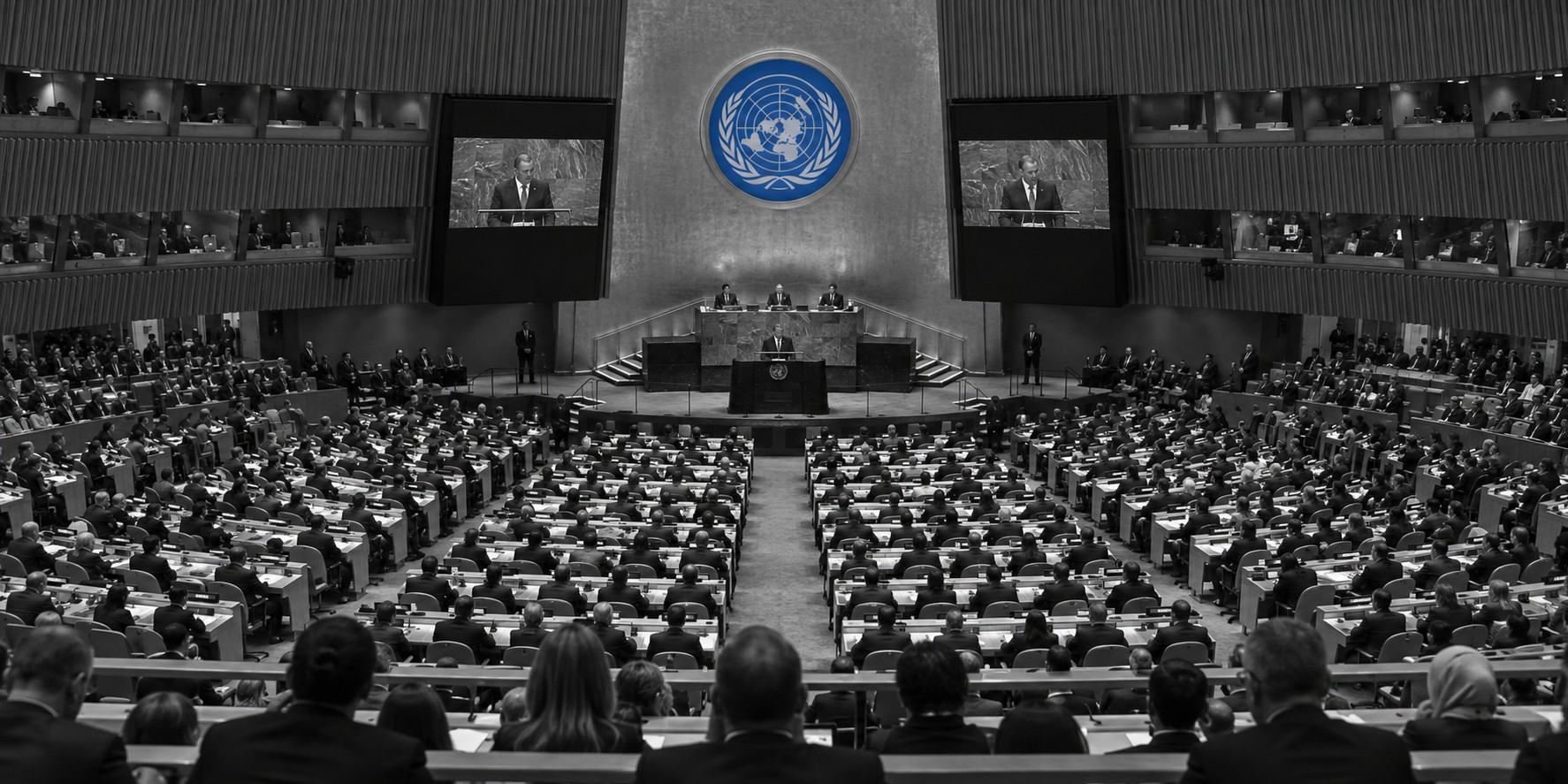
World leaders have begun their annual debate at the United Nations in New York, with war, climate change, inequality and artificial intelligence at the centre of the opening discussions. As of 23 September, the meeting is still under way, so there is no final outcome to report. The general debate is scheduled to continue until 28 September.
The theme of this year’s gathering is “Restoring trust, managing transformation: a United Nations that delivers for all”. Nearly 130 heads of state and government are expected to attend in person. Their speeches set out national positions, but the debate itself does not produce a single negotiated agreement.
Four challenges dominate the opening
In his address on 22 September, Secretary-General António Guterres described war and peace, inequality, climate change and AI as four defining tests for international cooperation. He urged governments to uphold international law and work together on safeguards for emerging technology. His speech established a clear agenda; whether governments can turn those appeals into joint action remains an open question.


The week’s programme includes separate meetings on climate action, rising sea levels and pandemic preparedness. Some of those discussions have yet to take place, making it too early to assess their results.
What the meeting has achieved so far
The clearest outcome at this stage is diplomatic: leaders have brought competing views of global security and cooperation into the same forum. Speeches can reveal common ground or expose divisions, but they should not be mistaken for commitments that governments have agreed to carry out.
A fuller assessment will be possible after the remaining meetings and the final day of the general debate. The measure will be whether countries follow their statements with specific decisions, funding or cooperation on the crises they have raised.
Newshub Editorial in North America – 23 September 2026

Ask NF GPT
If you have an account with ChatGPT you get deeper explanations,
background and context related to what you are reading.
World leaders have begun their annual debate at the United Nations in New York, with war, climate change, inequality and artificial intelligence at the centre of the opening discussions. As of 23 September, the meeting is still under way, so there is no final outcome to report. The general debate is scheduled to continue until 28 September.
Recent Comments