
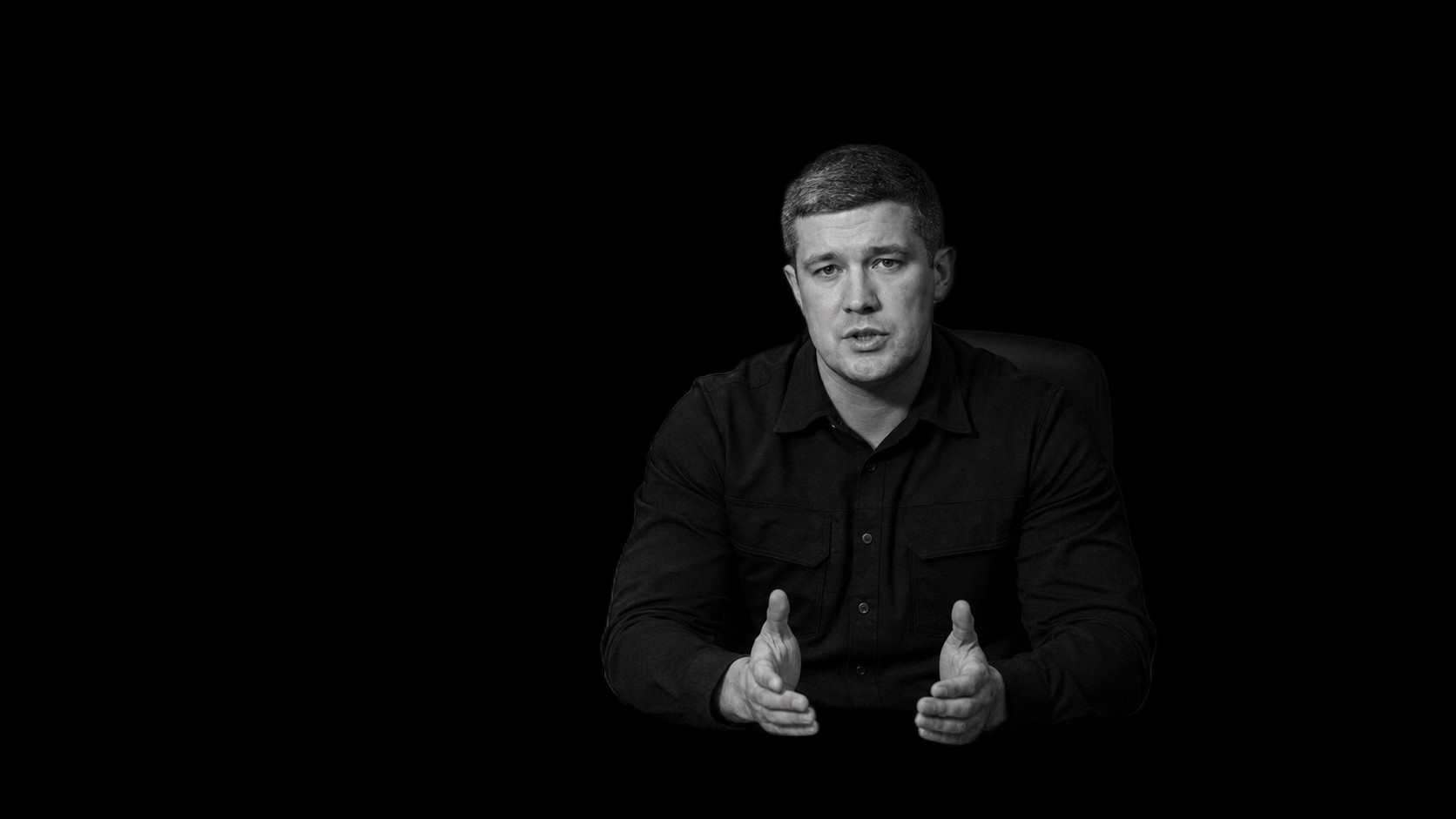
Ukraine’s dismissed defence minister Mykhailo Fedorov has called for the country to develop a mechanism for holding a presidential election during the war, delivering the most direct political challenge to President Volodymyr Zelenskyy since Russia launched its full-scale invasion in February 2022.
A call for democratic renewal
In a nine-minute video address published on Tuesday, Fedorov argued that Ukraine could not allow Russia to determine when its democratic processes were permitted to operate. He said the government should find a secure and legally credible way to organise elections if the war continued for several more years.
Fedorov did not directly name Zelenskyy or announce that he intended to stand as a presidential candidate. However, his criticism of the government’s transparency, reform programme and senior appointments was widely interpreted as the beginning of a more openly political role.


Criticism of the wartime government
The former minister accused Ukraine’s governing system of resisting change and suggested that important positions were increasingly being awarded on the basis of personal loyalty rather than professional competence.
He also described corruption as a threat to national survival, arguing that public confidence in the state was essential while Ukrainians were being asked to make extraordinary sacrifices on the battlefield and at home.
Fedorov said citizens needed to believe that their voices continued to matter and that Ukraine was fighting for an accountable democratic state rather than a political system without meaningful public participation.
Major legal and security obstacles
Ukraine has been governed under martial law since the Russian invasion began. Existing legislation prohibits national elections while martial law remains in force, and the presidential vote scheduled for spring 2024 was consequently postponed.
Zelenskyy has remained in office under constitutional provisions requiring the president to serve until a successor is elected and inaugurated. Ukrainian officials have repeatedly maintained that a credible national vote cannot be organised while the country is under continuous Russian attack.
Any election would require arrangements for soldiers serving at the front, residents of frontline communities and millions of Ukrainians living abroad. Authorities would also need to protect polling systems from missile attacks, cyber operations, disinformation and attempted Russian interference.
Dismissal triggered public protests
Fedorov was removed as defence minister in July after serving for approximately six months. His dismissal followed a prolonged dispute with Ukraine’s military commander, General Oleksandr Syrskyi, over battlefield strategy, military reform and reported troop losses.
The decision prompted demonstrations in Kyiv and criticism from civil society groups that regarded Fedorov as an important reformer. Zelenskyy initially defended the dismissal, although Syrskyi was subsequently removed following continued public pressure.
Fedorov had previously built his reputation as Ukraine’s digital transformation minister and became closely associated with government technology, drone warfare and reforms intended to improve defence procurement.
Political pressure on Zelenskyy increases
Recent opinion surveys indicate that Fedorov could become a significant candidate in a future election, although he has not confirmed any presidential ambitions. Former military commander Valerii Zaluzhnyi, now Ukraine’s ambassador to Britain, is also regarded as a possible challenger.
Fedorov’s intervention is likely to intensify debate over democratic legitimacy, wartime accountability and the timing of Ukraine’s next election. Supporters will present a vote as evidence that Russia has failed to destroy Ukrainian democracy, while opponents will warn that an election could divide the country and create new opportunities for Moscow.
The immediate question is whether Fedorov’s address develops into an organised political campaign or remains a demand for institutional reform. Either way, Ukraine’s postponed election has now moved firmly back into the country’s wartime political debate.
Newshub Editorial in Europe – 19 August 2026

Ask NF GPT
If you have an account with ChatGPT you get deeper explanations,
background and context related to what you are reading.
Ukraine’s dismissed defence minister Mykhailo Fedorov has called for the country to develop a mechanism for holding a presidential election during the war, delivering the most direct political challenge to President Volodymyr Zelenskyy since Russia launched its full-scale invasion in February 2022.
Recent Comments