
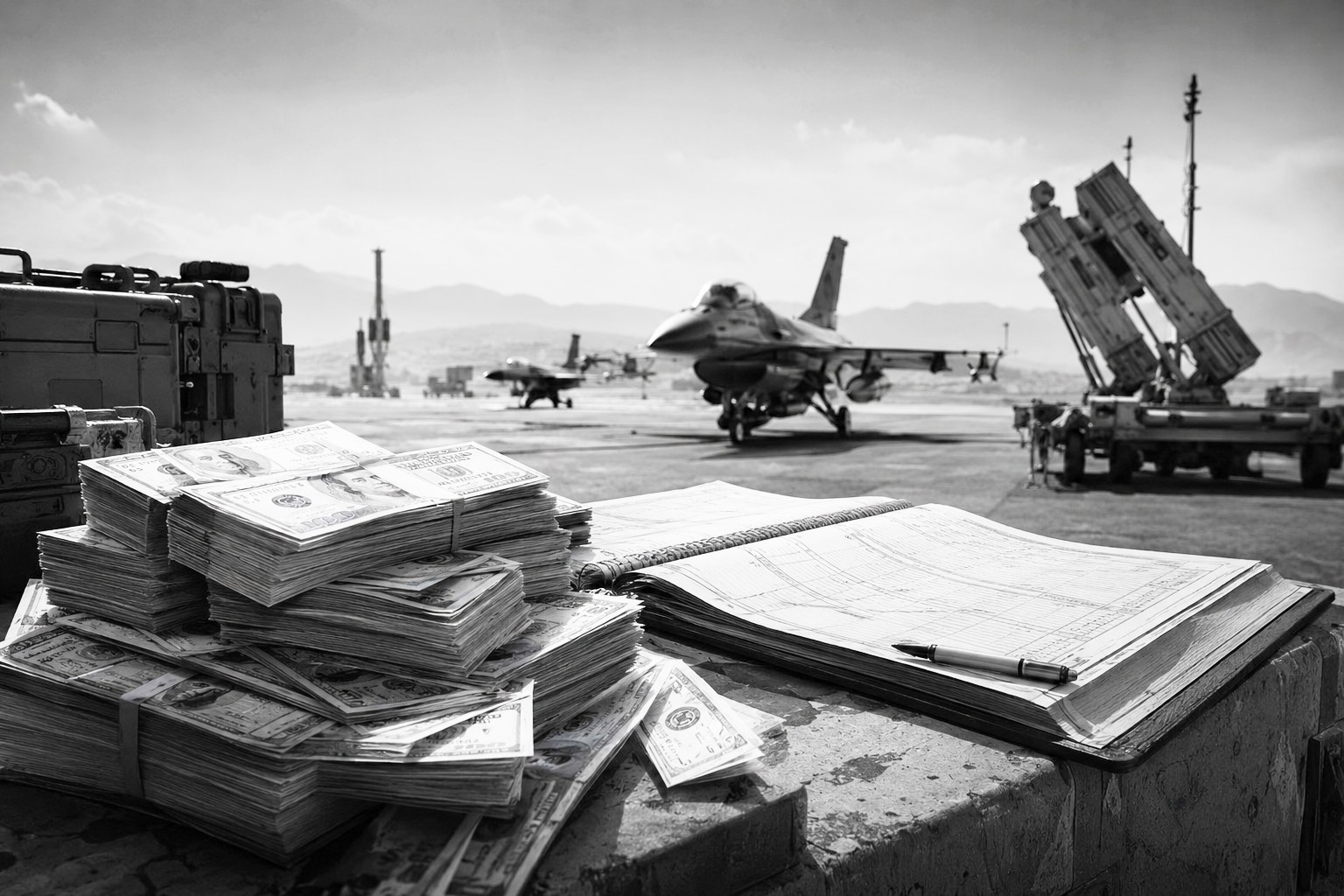
The measurable cost of the Iran war to the United States has risen above $117.3 billion when the latest Pentagon military estimate is combined with additional petrol and diesel costs paid by American consumers. Divided among the 154 million Americans who reported voting in the 2024 presidential election, the bill is approximately $762 per voter.
Direct military costs reach $37.5 billion
The Pentagon’s latest published estimate puts the military cost associated with the conflict at $37.5 billion. That equals roughly $244 for every American who voted in the 2024 election, or approximately $216 for each of the country’s 174 million registered voters.
The estimate includes operational expenses, personnel costs, ammunition use and certain anticipated costs through 30 September. However, it does not fully include damage to American military bases in the Middle East, long-term medical support for veterans or the future cost of replacing weapons at higher prices.


Missiles have been the largest immediate expense. Analysts estimate that munitions account for more than $26 billion of the military bill. The United States reportedly used more than 200 THAAD missile interceptors to defend Israel, with each interceptor costing around $15 million. Hundreds of Tomahawk cruise missiles, costing more than $2 million each, have also been fired.
Consumer costs exceed military spending
The military bill represents only part of the economic burden. Brown University’s Climate Solutions Lab estimated that Americans had paid at least $79.8 billion more for petrol and diesel than they would have without the war.
That additional fuel cost equals approximately $518 per person who voted in 2024. Combined with the Pentagon’s $244-per-voter military estimate, the measurable burden reaches about $762 per voter.
For registered voters, rather than those who actually cast ballots, the combined figure is approximately $674 each.
Higher diesel prices affect almost every product transported by road, including food, clothing and construction materials. The disruption of energy supplies through the Strait of Hormuz has also increased aviation fuel costs and contributed to inflationary pressure and higher borrowing costs.
The eventual bill could be much larger
The $117.3 billion calculation is not an official consolidated government total. It combines two separate, measurable categories: military expenditure and additional consumer fuel costs. It excludes wider economic losses, reconstruction of damaged bases, future veterans’ benefits, interest on borrowed money and assistance provided to allies.
The Trump administration has sought tens of billions of dollars in additional funding connected to the conflict, partly to replace depleted weapons stocks. These appropriations have not been added to the calculation because some could overlap with expenditure already included in the Pentagon estimate.
Harvard public policy professor Linda Bilmes has warned that the eventual cost could approach $1 trillion once weapons replacement, infrastructure repairs, veterans’ support and interest payments are included.
For now, the clearest conclusion is that the Iran war has already created a measurable American burden exceeding $117 billion. At roughly $762 for every voter in the previous presidential election, the financial consequences are becoming increasingly difficult to separate from the domestic debate over inflation, public spending and the federal debt.
Newshub Editorial in North America – 16 August 2026
‹The measurable cost of the Iran war to the United States has risen above $117.3 billion when the latest Pentagon military estimate is combined with additional petrol and diesel costs paid by American consumers. Divided among the 154 million Americans who reported voting in the 2024 presidential election, the bill is approximately $762 per voter.
Direct military costs reach $37.5 billion
The Pentagon’s latest published estimate puts the military cost associated with the conflict at $37.5 billion. That equals roughly $244 for every American who voted in the 2024 election, or approximately $216 for each of the country’s 174 million registered voters.
The estimate includes operational expenses, personnel costs, ammunition use and certain anticipated costs through 30 September. However, it does not fully include damage to American military bases in the Middle East, long-term medical support for veterans or the future cost of replacing weapons at higher prices.
Missiles have been the largest immediate expense. Analysts estimate that munitions account for more than $26 billion of the military bill. The United States reportedly used more than 200 THAAD missile interceptors to defend Israel, with each interceptor costing around $15 million. Hundreds of Tomahawk cruise missiles, costing more than $2 million each, have also been fired.
Consumer costs exceed military spending
The military bill represents only part of the economic burden. Brown University’s Climate Solutions Lab estimated that Americans had paid at least $79.8 billion more for petrol and diesel than they would have without the war.
That additional fuel cost equals approximately $518 per person who voted in 2024. Combined with the Pentagon’s $244-per-voter military estimate, the measurable burden reaches about $762 per voter.
For registered voters, rather than those who actually cast ballots, the combined figure is approximately $674 each.
Higher diesel prices affect almost every product transported by road, including food, clothing and construction materials. The disruption of energy supplies through the Strait of Hormuz has also increased aviation fuel costs and contributed to inflationary pressure and higher borrowing costs.
The eventual bill could be much larger
The $117.3 billion calculation is not an official consolidated government total. It combines two separate, measurable categories: military expenditure and additional consumer fuel costs. It excludes wider economic losses, reconstruction of damaged bases, future veterans’ benefits, interest on borrowed money and assistance provided to allies.
The Trump administration has sought tens of billions of dollars in additional funding connected to the conflict, partly to replace depleted weapons stocks. These appropriations have not been added to the calculation because some could overlap with expenditure already included in the Pentagon estimate.
Harvard public policy professor Linda Bilmes has warned that the eventual cost could approach $1 trillion once weapons replacement, infrastructure repairs, veterans’ support and interest payments are included.
For now, the clearest conclusion is that the Iran war has already created a measurable American burden exceeding $117 billion. At roughly $762 for every voter in the previous presidential election, the financial consequences are becoming increasingly difficult to separate from the domestic debate over inflation, public spending and the federal debt.
Newshub Editorial in North America – 16 August 2026The measurable cost of the Iran war to the United States has risen above $117.3 billion when the latest Pentagon military estimate is combined with additional petrol and diesel costs paid by American consumers. Divided among the 154 million Americans who reported voting in the 2024 presidential election, the bill is approximately $762 per voter.
Direct military costs reach $37.5 billion
The Pentagon’s latest published estimate puts the military cost associated with the conflict at $37.5 billion. That equals roughly $244 for every American who voted in the 2024 election, or approximately $216 for each of the country’s 174 million registered voters.
The estimate includes operational expenses, personnel costs, ammunition use and certain anticipated costs through 30 September. However, it does not fully include damage to American military bases in the Middle East, long-term medical support for veterans or the future cost of replacing weapons at higher prices.
Missiles have been the largest immediate expense. Analysts estimate that munitions account for more than $26 billion of the military bill. The United States reportedly used more than 200 THAAD missile interceptors to defend Israel, with each interceptor costing around $15 million. Hundreds of Tomahawk cruise missiles, costing more than $2 million each, have also been fired.
Consumer costs exceed military spending
The military bill represents only part of the economic burden. Brown University’s Climate Solutions Lab estimated that Americans had paid at least $79.8 billion more for petrol and diesel than they would have without the war.
That additional fuel cost equals approximately $518 per person who voted in 2024. Combined with the Pentagon’s $244-per-voter military estimate, the measurable burden reaches about $762 per voter.
For registered voters, rather than those who actually cast ballots, the combined figure is approximately $674 each.
Higher diesel prices affect almost every product transported by road, including food, clothing and construction materials. The disruption of energy supplies through the Strait of Hormuz has also increased aviation fuel costs and contributed to inflationary pressure and higher borrowing costs.
The eventual bill could be much larger
The $117.3 billion calculation is not an official consolidated government total. It combines two separate, measurable categories: military expenditure and additional consumer fuel costs. It excludes wider economic losses, reconstruction of damaged bases, future veterans’ benefits, interest on borrowed money and assistance provided to allies.
The Trump administration has sought tens of billions of dollars in additional funding connected to the conflict, partly to replace depleted weapons stocks. These appropriations have not been added to the calculation because some could overlap with expenditure already included in the Pentagon estimate.
Harvard public policy professor Linda Bilmes has warned that the eventual cost could approach $1 trillion once weapons replacement, infrastructure repairs, veterans’ support and interest payments are included.
For now, the clearest conclusion is that the Iran war has already created a measurable American burden exceeding $117 billion. At roughly $762 for every voter in the previous presidential election, the financial consequences are becoming increasingly difficult to separate from the domestic debate over inflation, public spending and the federal debt.
Newshub Editorial in North America – 16 August 2026

Ask NF GPT
If you have an account with ChatGPT you get deeper explanations,
background and context related to what you are reading.
The measurable cost of the Iran war to the United States has risen above $117.3 billion when the latest Pentagon military estimate is combined with additional petrol and diesel costs paid by American consumers. Divided among the 154 million Americans who reported voting in the 2024 presidential election, the bill is approximately $762 per voter.
Recent Comments