
Operation Valkyrie: The failed plot that nearly killed Hitler
On 20 July 1944, a group of senior German officers and civilian opponents attempted to assassinate Adolf Hitler and seize control of Nazi Germany. The conspiracy, known as Operation Valkyrie, came closer than any previous attempt to removing the dictator, but a series of unexpected events allowed Hitler to survive and condemned the plotters to death.
A conspiracy from within
The central figure was Colonel Claus Schenk Graf von Stauffenberg, a decorated army officer who had become convinced that Hitler was leading Germany towards destruction. Having witnessed the brutality of the Nazi regime and the increasingly hopeless military situation, Stauffenberg joined a network of officers, officials and conservative opponents determined to overthrow the government.
Their plan adapted Operation Valkyrie, an existing emergency procedure intended to mobilise Germany’s reserve army during internal unrest. After Hitler’s death, the conspirators would activate the plan, claim that senior Nazi officials had staged a coup and use military units to arrest members of the SS, Gestapo and Nazi leadership.

The bomb at the Wolf’s Lair
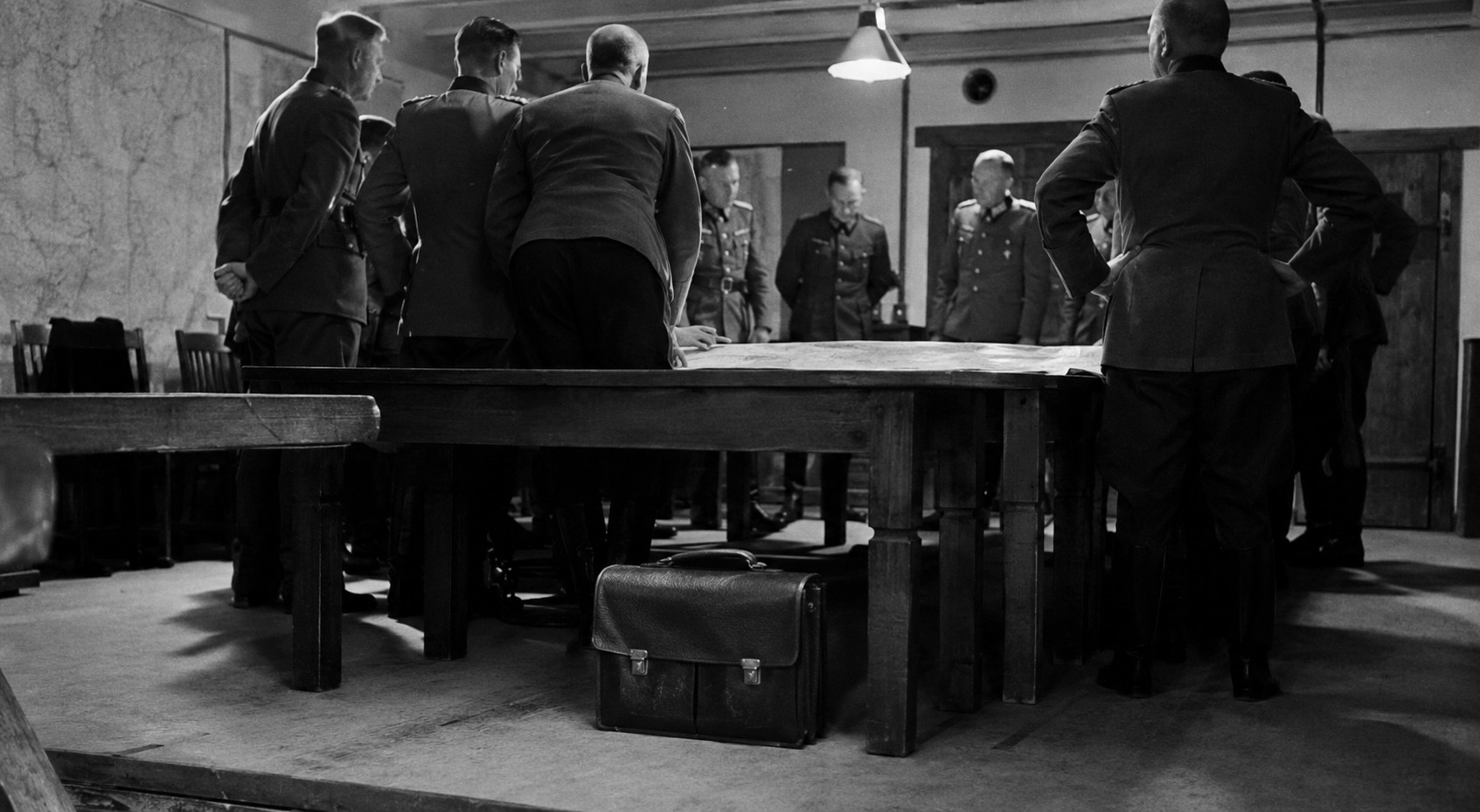
On 20 July, Stauffenberg attended a military conference at Hitler’s Wolf’s Lair headquarters in East Prussia. He carried a briefcase containing explosives fitted with a timed detonator. Under considerable pressure, he managed to arm only one of the two explosive charges before entering the meeting room.
Stauffenberg placed the briefcase beneath the conference table, close to Hitler, and left the room on the pretext of making a telephone call. However, another officer moved the briefcase behind a thick wooden table support, which partly shielded Hitler from the explosion.
The bomb detonated at approximately 12.42 pm, killing four people and injuring many others. Hitler suffered damaged eardrums, burns and minor wounds, but remained alive. Believing that the dictator could not have survived, Stauffenberg left the headquarters and flew back to Berlin.
Confusion destroys the uprising
The conspirators initially hesitated because reports from the Wolf’s Lair were contradictory. When Operation Valkyrie was finally activated, troops began occupying government buildings and arresting Nazi officials. Yet the plot rapidly collapsed after Hitler’s survival was confirmed.
Major Otto Ernst Remer, whose troops had been ordered to secure Berlin, spoke directly with Hitler by telephone and then turned against the conspirators. Loyalist forces regained control of the capital, while commanders elsewhere withdrew their support.
Shortly after midnight, Stauffenberg and several fellow officers were executed by firing squad in the courtyard of the Bendlerblock military headquarters. The Nazi regime subsequently launched a vast investigation. Around 7,000 people were arrested, and nearly 5,000 were executed, including individuals only loosely connected with the conspiracy.
The legacy of 20 July
Operation Valkyrie failed because Hitler survived, communications broke down and the conspirators lacked unified military support. Nevertheless, the plot demonstrated that opposition existed within Germany’s own armed forces and governing institutions.
After the war, the conspirators’ reputation remained controversial, partly because some had previously served the Nazi state. Over time, however, 20 July became an important symbol of German resistance to dictatorship. Stauffenberg and his fellow plotters are now widely remembered for risking their lives in a final attempt to end Hitler’s rule and prevent further destruction.
Newshub Editorial in Europe – 20 July 2026

Ask NF GPT
If you have an account with ChatGPT you get deeper explanations,
background and context related to what you are reading.
Recent Comments