
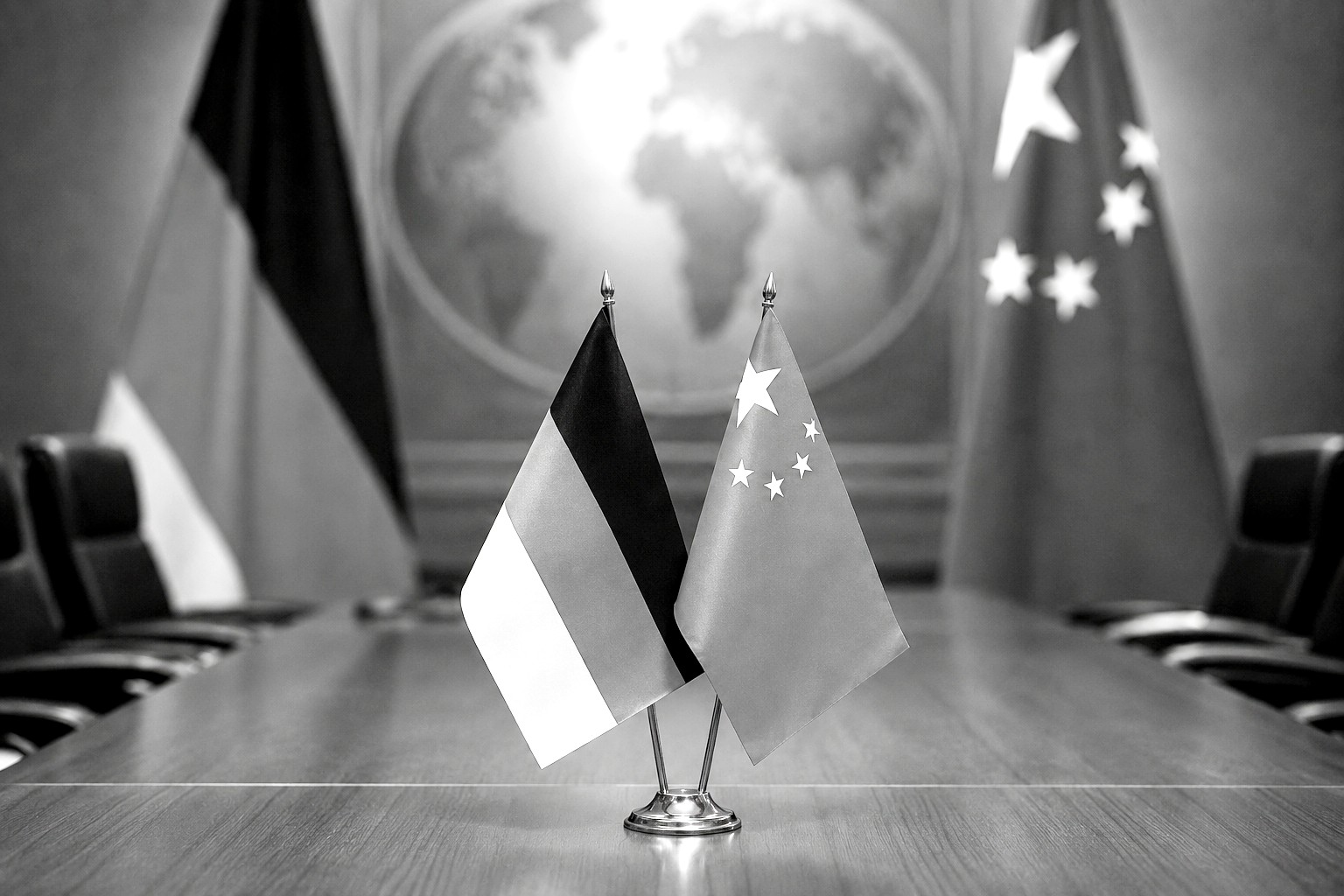
Germany has described reports that Russian soldiers are receiving military training in China as “deeply disturbing”, escalating diplomatic tensions between Berlin and Beijing. The German Foreign Ministry summoned China’s ambassador after media reports alleged that Chinese territory had been used to train Russian personnel, warning that any support enabling Moscow’s war against Ukraine represents a direct threat to European security.
Berlin demands answers
The diplomatic protest follows reports suggesting that Russian military personnel have participated in training activities inside China. While the full details remain unverified, Germany reacted swiftly, seeking clarification from Chinese authorities over the allegations.
A spokesperson for the German Foreign Ministry said any action that strengthens Russia’s ability to continue its invasion of Ukraine is viewed with the utmost seriousness. Berlin reiterated that countries providing military, logistical or technological assistance that prolongs the conflict bear responsibility for undermining European security and international stability.


China rejects Western criticism
China has consistently maintained that it is not a party to the conflict in Ukraine and has repeatedly called for negotiations to end the war. Beijing insists it pursues a neutral position while continuing to maintain close diplomatic and economic relations with Moscow.
Chinese officials have rejected previous Western accusations that the country provides direct military support to Russia, arguing that normal trade and bilateral cooperation should not be politicised. However, China’s strategic partnership with Russia has remained under close scrutiny throughout the conflict, particularly regarding exports of dual-use technologies that could have military applications.
Growing concerns across Europe
Germany’s response reflects broader European concerns over expanding cooperation between Russia and China. Western governments have increasingly warned that stronger political, economic and technological ties between the two countries risk undermining sanctions imposed on Moscow following its full-scale invasion of Ukraine.
European officials have also expressed concern over reports involving the transfer of advanced manufacturing equipment, electronics and industrial components that could indirectly support Russia’s defence sector. Berlin has consistently argued that lasting peace in Europe depends on preventing Russia from rebuilding or expanding its military capabilities while the war continues.
Diplomatic pressure likely to intensify
The latest dispute adds another layer of complexity to already strained relations between Europe and China. Alongside disagreements over trade, technology, human rights and industrial policy, security issues are becoming an increasingly prominent part of the relationship.
Germany remains one of Europe’s largest trading partners with China, but successive governments have adopted a more cautious approach towards Beijing, emphasising the need to reduce strategic dependencies while protecting national security interests.
Should the allegations regarding military training be substantiated, pressure is likely to grow for a coordinated European response, potentially including additional diplomatic measures or tighter controls on sensitive technology exports. For now, Berlin is seeking explanations from Beijing, but the incident underscores how Russia’s war in Ukraine continues to reshape geopolitical relationships far beyond the battlefield.
Newshub Editorial – Europe – 4 July 2026

Ask NF GPT
If you have an account with ChatGPT you get deeper explanations,
background and context related to what you are reading.
Open an account:
Germany has described reports that Russian soldiers are receiving military training in China as "deeply disturbing", escalating diplomatic tensions between Berlin and Beijing. The German Foreign Ministry summoned China's ambassador after media reports alleged that Chinese territory had been used to train Russian personnel, warning that any support enabling Moscow's war against Ukraine represents a direct threat to European security.
Recent Comments