
• Global
    • Africa
      • Burundi
      • Ghana
      • Gambia
      • Senegal
    • Asia
      • Indonesia
      • Laos
      • Malaysia
      • South Korea
    • Caribbean
      • Central America
    • Climate & energy
      • Climate
      • Carbon
      • Coal
      • Disruptive
      • Gas
      • Nuclear
      • Oil
      • Solar
      • Water
      • Waves
      • Wind
      • Renewable
      • South America
    • Lifestyle
      • Best chefs
      • Cocktail of the week
      • History
      • Influential women
      • Newshub long-read
    • US politics
      • Epstein
    • War
  • Finance
    • Africa finance
    • Australia
    • Asia finance
    • Banking
    • Business of the week
    • Central Banks
    • China
    • Commodities
    • Corporate
    • Europe
    • Investment
    • Japan
    • MSTRpay
    • Neobanking
    • South East Asia
    • UK
    • US
  • Fintech
    • Tech
    • AI
    • Blockchain
  • Financial inclusion
  • Editorial services
  • Press releases
Saturday, July 4, 2026
  • Login
No Result
View All Result
Newshub Finance
  • Global
    • Africa
      • Burundi
      • Ghana
      • Gambia
      • Senegal
    • Asia
      • Indonesia
      • Laos
      • Malaysia
      • South Korea
    • Caribbean
      • Central America
    • Climate & energy
      • Climate
      • Carbon
      • Coal
      • Disruptive
      • Gas
      • Nuclear
      • Oil
      • Solar
      • Water
      • Waves
      • Wind
      • Renewable
      • South America
    • Lifestyle
      • Best chefs
      • Cocktail of the week
      • History
      • Influential women
      • Newshub long-read
    • US politics
      • Epstein
    • War
  • Finance
    • Africa finance
    • Australia
    • Asia finance
    • Banking
    • Business of the week
    • Central Banks
    • China
    • Commodities
    • Corporate
    • Europe
    • Investment
    • Japan
    • MSTRpay
    • Neobanking
    • South East Asia
    • UK
    • US
  • Fintech
    • Tech
    • AI
    • Blockchain
  • Financial inclusion
  • Editorial services
  • Press releases
  • Global
    • Africa
      • Burundi
      • Ghana
      • Gambia
      • Senegal
    • Asia
      • Indonesia
      • Laos
      • Malaysia
      • South Korea
    • Caribbean
      • Central America
    • Climate & energy
      • Climate
      • Carbon
      • Coal
      • Disruptive
      • Gas
      • Nuclear
      • Oil
      • Solar
      • Water
      • Waves
      • Wind
      • Renewable
      • South America
    • Lifestyle
      • Best chefs
      • Cocktail of the week
      • History
      • Influential women
      • Newshub long-read
    • US politics
      • Epstein
    • War
  • Finance
    • Africa finance
    • Australia
    • Asia finance
    • Banking
    • Business of the week
    • Central Banks
    • China
    • Commodities
    • Corporate
    • Europe
    • Investment
    • Japan
    • MSTRpay
    • Neobanking
    • South East Asia
    • UK
    • US
  • Fintech
    • Tech
    • AI
    • Blockchain
  • Financial inclusion
  • Editorial services
  • Press releases
No Result
View All Result
Newshub Finance
No Result
View All Result
Download MSTRpay app Download MSTRpay app Download MSTRpay app
ADVERTISEMENT

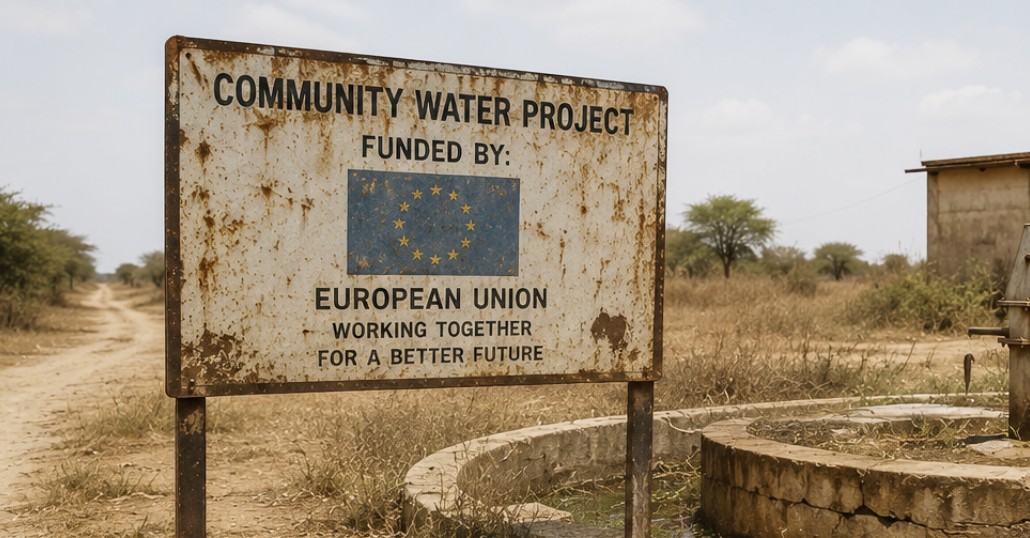
2. The rusty sign by the road

2. The rusty sign by the road

Why do so many development projects disappear?

If good intentions were enough, the developing world would look very different today.

Across Africa, Asia and Latin America, countless development projects have begun with optimism. Wells have been drilled. Schools have been built. Clinics have opened. Cooperatives have been launched. Training programmes have been completed. Some have succeeded. Many have not.

The question is why.
Why do so many projects disappear only a few years after they were celebrated as development successes The answer is rarely simple. Some projects fail because of corruption, which we will examine in the next article. Many others fail for a different reason. They were designed to demonstrate delivery rather than to create permanence.


Download the MSTRpay app Download the MSTRpay app Download the MSTRpay app

Development aid is often shaped by short-term incentives on both sides. Donors need visible results. They need reports, photographs, measurable indicators and evidence that public or private funding has produced outcomes.

Recipients also face short-term pressures. Local officials, implementing partners and consultants may understandably see projects as opportunities for employment, contracts, allowances or immediate liquidity. Between these pressures, one essential question is too often forgotten: Can this project survive after the donor leaves?

A project can be delivered without becoming sustainable. 
A well can be drilled without a maintenance fund. A school can be built without long-term financing. A training programme can be completed without creating a market. A group of women can be described as “empowered” in a final report while still lacking customers, working capital and a path to economic growth. The project exists. The development does not. This is perhaps the central weakness of much project-based aid.
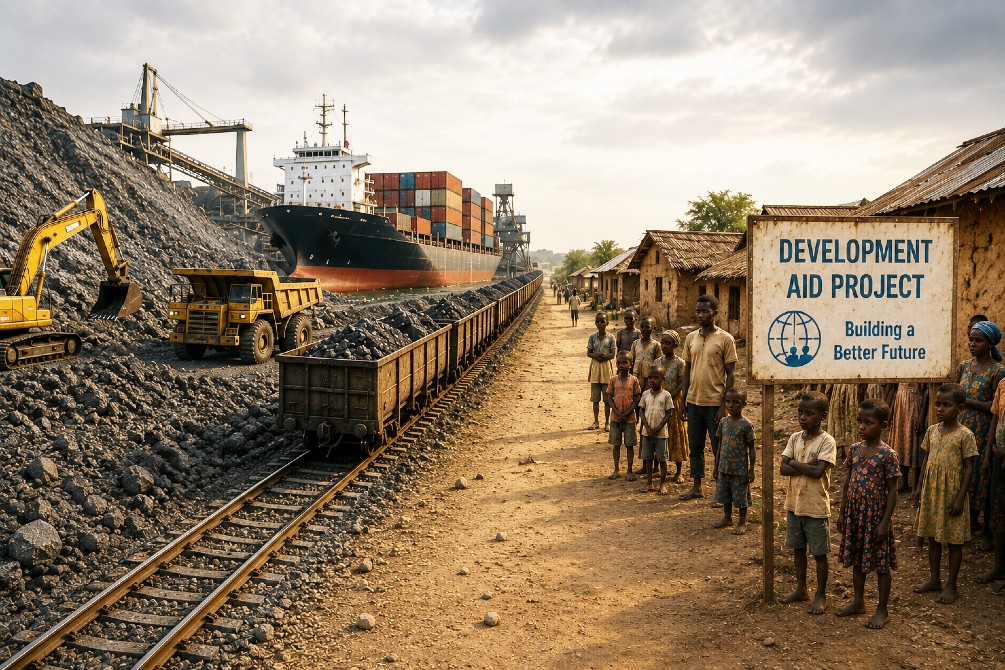
 

Development is frequently treated as an event rather than as a system.
Funding begins. Implementation follows. Reports are written. The project closes. Communities are then expected to continue alone. But people cannot maintain what they do not own. They cannot repair what they cannot finance. They cannot expand what is disconnected from the local economy. 

Water projects illustrate this particularly well.
Across many low-income regions, thousands of wells and pumps have stopped functioning—not because water was unnecessary, but because maintenance systems, spare parts, local management and sustainable financing were never fully established. The problem was not the well. The problem was everything required to keep the well alive. Ironically, these lessons are not new.

The international development community recognised them formally in the Paris Declaration on Aid Effectiveness already in 2005. It called for stronger local ownership, better alignment with national priorities, improved coordination, genuine accountability and measurable long-term results. Yet, twenty years later, the rusty signs remain.

One reason is that many projects are still planned from a distance. Communities are consulted, but those controlling the funding usually retain the real decision-making power. The people expected to sustain the project rarely receive the financial authority—or the financial tools—needed to do so.

Another reason is distance itself.
In many countries, international development professionals work under security regulations from their home country and therefore live separately from the communities they serve. They often depend on local officials, consultants and intermediaries to understand local realities. This is frequently unavoidable, but it also creates risk.


It becomes easier to understand the project than the economy surrounding the project. It also creates dependence on local gatekeepers.

Every country has experienced individuals who understand the language of development exceptionally well. Many are highly professional and committed. Others have learned how to manage donor expectations more effectively than community development itself. They know how to prepare proposals, arrange visits, produce reports and demonstrate success. Sometimes the performance becomes more convincing than the reality. A Burundian economist once described the annual inspection visits from Europe with painful honesty.

Delegations arrived. They stayed in expensive hotels, travelled in air-conditioned vehicles and visited carefully selected project sites. What they often sought, he said, was reassurance rather than uncomfortable questions. His description was severe, and it highlights a genuine danger: Development can become something demonstrated to outsiders rather than something owned by the receiving communities.

There is another dimension that deserves reflection.
Many people working in development are motivated by genuine compassion and solidarity. Yet the history of colonialism continues to cast a long shadow over international development.

Much of today’s poverty cannot be separated from histories of resource extraction, unequal trade and political domination. That history does not invalidate humanitarian assistance. But it can sometimes encourage visible giving rather than deeper structural change.

Many years ago, a Western aid worker in Eastern Congo expressed this tension to me in a single sentence I have never forgotten. “It sometimes feels,” he said, “as if someone first steals a person’s house, and then sends a relative to give the homeless person a biscuit.” Whether one agrees with that comparison or not, it raises an important question. Can aid relieve suffering without changing the systems that continue producing dependency? That is ultimately the challenge. Development that lasts cannot be measured only by what is delivered. It must be measured by what remains.

  • Who owns the project?
  • Who maintains it?
  • Who finances it?
  • Who repairs it?
  • Who benefits ten years later?

If those questions cannot be answered before a project begins, its future may already be uncertain. The rusty sign beside the road is therefore more than the memory of a failed project. It is a reminder that compassion alone is not enough. Development requires ownership. It requires accountability. It requires economic sustainability. And above all, it requires systems that continue working long after the inauguration ceremony has ended. But if many projects are honestly designed, and many people involved are genuinely committed, why does so much money still fail to create lasting results?

That is the question we will follow in the next article, as we trace the journey of development funding from donor to beneficiary—and ask where its power is so often lost.

Peter Rinaldo

Facts Behind This Article

  • OECD – Official Development Assistance
  • World Bank – Global Findex Database
  • International Labour Organization – Informal Economy Reports
  • United Nations Development Programme
  • Paris Declaration on Aid Effectiveness (2005)
No Result
View All Result

Recent Posts

  • The invisible infrastructure: The standards that make the world work
  • US senator proposes ban on elected officials issuing memecoins
  • AI jitters give Indian IPOs a moment to shine
  • NVIDIA BioNeMo powers Anthropic Claude Science for faster life sciences research
  • Millions expected as Iran prepares six-day funeral for Ali Khamenei

Recent Comments

    Archives

    • July 2026
    • June 2026
    • May 2026
    • April 2026
    • March 2026
    • February 2026
    • January 2026
    • December 2025
    • November 2025
    • October 2025
    • September 2025
    • August 2025
    • July 2025
    • June 2025
    • May 2025
    • April 2025
    • March 2025
    • February 2025
    • January 2025
    • December 2024
    • November 2024
    • October 2024
    • September 2024
    • August 2024
    • July 2024
    • June 2024
    • May 2024
    • April 2024
    • March 2024
    • February 2024
    • January 2024
    • December 2023
    • November 2023
    • October 2023
    • September 2023
    • August 2023
    • July 2023
    • June 2023
    • May 2023
    • April 2023
    • March 2023
    • February 2023
    • January 2023
    • December 2022
    • November 2022
    • October 2022
    • September 2022
    • August 2022

    Categories

    • Africa
    • Africa finance
    • AI
    • An diesem Tag
    • Asia
    • Asia finance
    • Australia
    • Banking
    • Best chefs
    • Biden
    • Blockchain
    • Burundi
    • Business of the week
    • Carbon
    • Caribbean
    • Central America
    • Central Banks
    • China
    • Climate
    • Climate & Energy
    • Coal
    • Cocktail of the week
    • Commodities
    • Corporate
    • Deutsch
    • Deutsch PR
    • Digital Banking
    • DRC
    • English PR
    • Epstein
    • Europe
    • Financial inclusion
    • Financial insights
    • Focus on neobanking
    • Gambia
    • Gas
    • Ghana
    • Global news
    • Harris
    • History
    • India
    • India
    • Indonesia
    • Influential women
    • Invest and Rest
    • Investment
    • Italiano PR
    • Jamaica
    • Japan
    • Kenya
    • Kenya
    • Laos
    • Laos
    • LATAM
    • Lifestyle
    • Malaysia
    • Metaverse
    • MSTRpay
    • Neobanking
    • News
    • Newshub long-read
    • newshub special
    • newshub-special
    • NFT
    • Nobel Prizes 2024
    • Nuclear
    • Oil
    • Philippines
    • Press
    • Press releases
    • Pressroom
    • Renewable
    • Russia
    • Senegal
    • Senegal
    • Solar
    • South America
    • South East Asia
    • South Korea
    • South Korea
    • Stocks
    • Svensk PR
    • Tech
    • Trump
    • Trump trials
    • UFO
    • Uganda
    • UK
    • UK News
    • Ukraine
    • US
    • US politics
    • Vietnam
    • Vietnam
    • War
    • Waves
    • WEX
    • Wind
    • World safety

    Meta

    • Log in
    • Entries feed
    • Comments feed
    • WordPress.org

    Recent Posts

    • The invisible infrastructure: The standards that make the world work
    • US senator proposes ban on elected officials issuing memecoins
    • AI jitters give Indian IPOs a moment to shine
    • NVIDIA BioNeMo powers Anthropic Claude Science for faster life sciences research
    • Millions expected as Iran prepares six-day funeral for Ali Khamenei

    Categories

    • Africa
    • Africa finance
    • AI
    • An diesem Tag
    • Asia
    • Asia finance
    • Australia
    • Banking
    • Best chefs
    • Biden
    • Blockchain
    • Burundi
    • Business of the week
    • Carbon
    • Caribbean
    • Central America
    • Central Banks
    • China
    • Climate
    • Climate & Energy
    • Coal
    • Cocktail of the week
    • Commodities
    • Corporate
    • Deutsch
    • Deutsch PR
    • Digital Banking
    • DRC
    • English PR
    • Epstein
    • Europe
    • Financial inclusion
    • Financial insights
    • Focus on neobanking
    • Gambia
    • Gas
    • Ghana
    • Global news
    • Harris
    • History
    • India
    • India
    • Indonesia
    • Influential women
    • Invest and Rest
    • Investment
    • Italiano PR
    • Jamaica
    • Japan
    • Kenya
    • Kenya
    • Laos
    • Laos
    • LATAM
    • Lifestyle
    • Malaysia
    • Metaverse
    • MSTRpay
    • Neobanking
    • News
    • Newshub long-read
    • newshub special
    • newshub-special
    • NFT
    • Nobel Prizes 2024
    • Nuclear
    • Oil
    • Philippines
    • Press
    • Press releases
    • Pressroom
    • Renewable
    • Russia
    • Senegal
    • Senegal
    • Solar
    • South America
    • South East Asia
    • South Korea
    • South Korea
    • Stocks
    • Svensk PR
    • Tech
    • Trump
    • Trump trials
    • UFO
    • Uganda
    • UK
    • UK News
    • Ukraine
    • US
    • US politics
    • Vietnam
    • Vietnam
    • War
    • Waves
    • WEX
    • Wind
    • World safety

    Archives

    • July 2026
    • June 2026
    • May 2026
    • April 2026
    • March 2026
    • February 2026
    • January 2026
    • December 2025
    • November 2025
    • October 2025
    • September 2025
    • August 2025
    • July 2025
    • June 2025
    • May 2025
    • April 2025
    • March 2025
    • February 2025
    • January 2025
    • December 2024
    • November 2024
    • October 2024
    • September 2024
    • August 2024
    • July 2024
    • June 2024
    • May 2024
    • April 2024
    • March 2024
    • February 2024
    • January 2024
    • December 2023
    • November 2023
    • October 2023
    • September 2023
    • August 2023
    • July 2023
    • June 2023
    • May 2023
    • April 2023
    • March 2023
    • February 2023
    • January 2023
    • December 2022
    • November 2022
    • October 2022
    • September 2022
    • August 2022
    • Global
    • Finance
    • Fintech
    • Financial inclusion
    • Editorial services
    • Press releases
    Legal - Disclosure - Cookies

    © 2022-2026
    MSTRpay/Newshub Finance

    Welcome Back!

    Login to your account below

    Forgotten Password?

    Retrieve your password

    Please enter your username or email address to reset your password.

    Log In

    Add New Playlist

    No Result
    View All Result
    • Global
      • Africa
        • Burundi
        • Ghana
        • Gambia
        • Senegal
      • Asia
        • Indonesia
        • Laos
        • Malaysia
        • South Korea
      • Caribbean
        • Central America
      • Climate & energy
        • Climate
        • Carbon
        • Coal
        • Disruptive
        • Gas
        • Nuclear
        • Oil
        • Solar
        • Water
        • Waves
        • Wind
        • Renewable
        • South America
      • Lifestyle
        • Best chefs
        • Cocktail of the week
        • History
        • Influential women
        • Newshub long-read
      • US politics
        • Epstein
      • War
    • Finance
      • Africa finance
      • Australia
      • Asia finance
      • Banking
      • Business of the week
      • Central Banks
      • China
      • Commodities
      • Corporate
      • Europe
      • Investment
      • Japan
      • MSTRpay
      • Neobanking
      • South East Asia
      • UK
      • US
    • Fintech
      • Tech
      • AI
      • Blockchain
    • Financial inclusion
    • Editorial services
    • Press releases

    © 2022-2026
    MSTRpay/Newshub Finance