
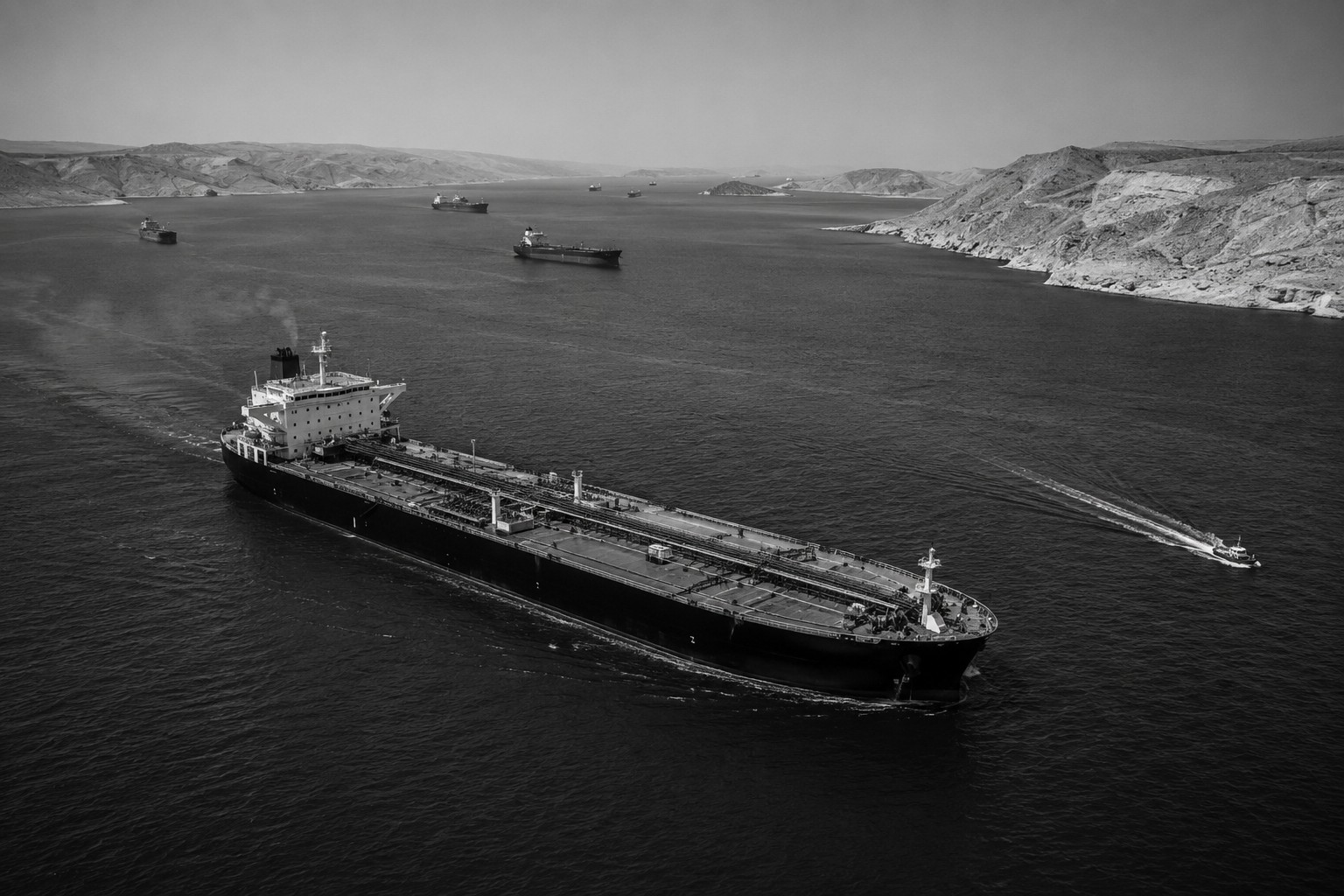
US President Donald Trump has said a peace agreement with Iran could be signed by Sunday, raising hopes that one of the world’s most sensitive security and energy crises may be approaching a diplomatic turning point. The proposed deal would reportedly reopen the Strait of Hormuz shortly after signing, while Trump warned that Washington still retained what he called an “ultimate alternative” if Tehran refused to proceed.
A deal still awaiting confirmation
Trump said in an online post that the agreement was scheduled for signature and that the Strait of Hormuz would be opened to international shipping immediately afterwards. The waterway is one of the world’s most important energy routes, making any closure or restriction a direct threat to oil markets, freight costs and global inflation.
However, Iranian officials have been more cautious. Tehran has indicated that talks are advanced, but has not fully confirmed Trump’s timeline. That gap between Washington’s confidence and Iran’s guarded language remains the main uncertainty.

Hormuz at the centre
The Strait of Hormuz is central to the proposed settlement because it connects Gulf energy exporters with global markets. Any sustained disruption can rapidly affect crude prices, tanker insurance and supply chains.
A reopening would therefore be seen not only as a diplomatic breakthrough, but also as an immediate economic signal. Markets would likely interpret it as a reduction in geopolitical risk, particularly for energy-importing countries.
Nuclear issue remains unresolved
Trump has said the deal would prevent Iran from obtaining a nuclear weapon. Reports suggest the agreement may include a further negotiation period focused on Iran’s nuclear programme, rather than settling every technical issue immediately.
That structure could allow both sides to claim progress while leaving the most difficult questions for later. For Washington, the political test will be whether the agreement is seen as enforceable. For Tehran, the test will be whether sanctions relief and security guarantees are credible enough to justify concessions.
Pressure on both sides
The talks come after months of heightened tension, military incidents and pressure from regional actors. Pakistan has reportedly played a mediation role, while US allies are watching closely for signs of whether the agreement can stabilise the wider region.
Israel is also likely to scrutinise any deal carefully, particularly if it believes the nuclear restrictions are too weak or too dependent on future negotiations.
A high-risk diplomatic moment
Trump’s warning that he retains an “ultimate alternative” underlines the fragility of the process. The statement appears designed to maintain pressure on Tehran while presenting the White House as close to securing a major foreign-policy achievement.
For now, the central question is whether Sunday produces a signed agreement or another round of delay. If the deal is signed and Hormuz reopens, the impact could be immediate across energy markets and regional diplomacy. If it fails, the threat of renewed escalation will remain high.
Newshub Editorial in Asia – 14 June 2026

If you have an account with ChatGPT you get deeper explanations,
background and context related to what you are reading.
Open an account:
Open an account
Recent Comments