
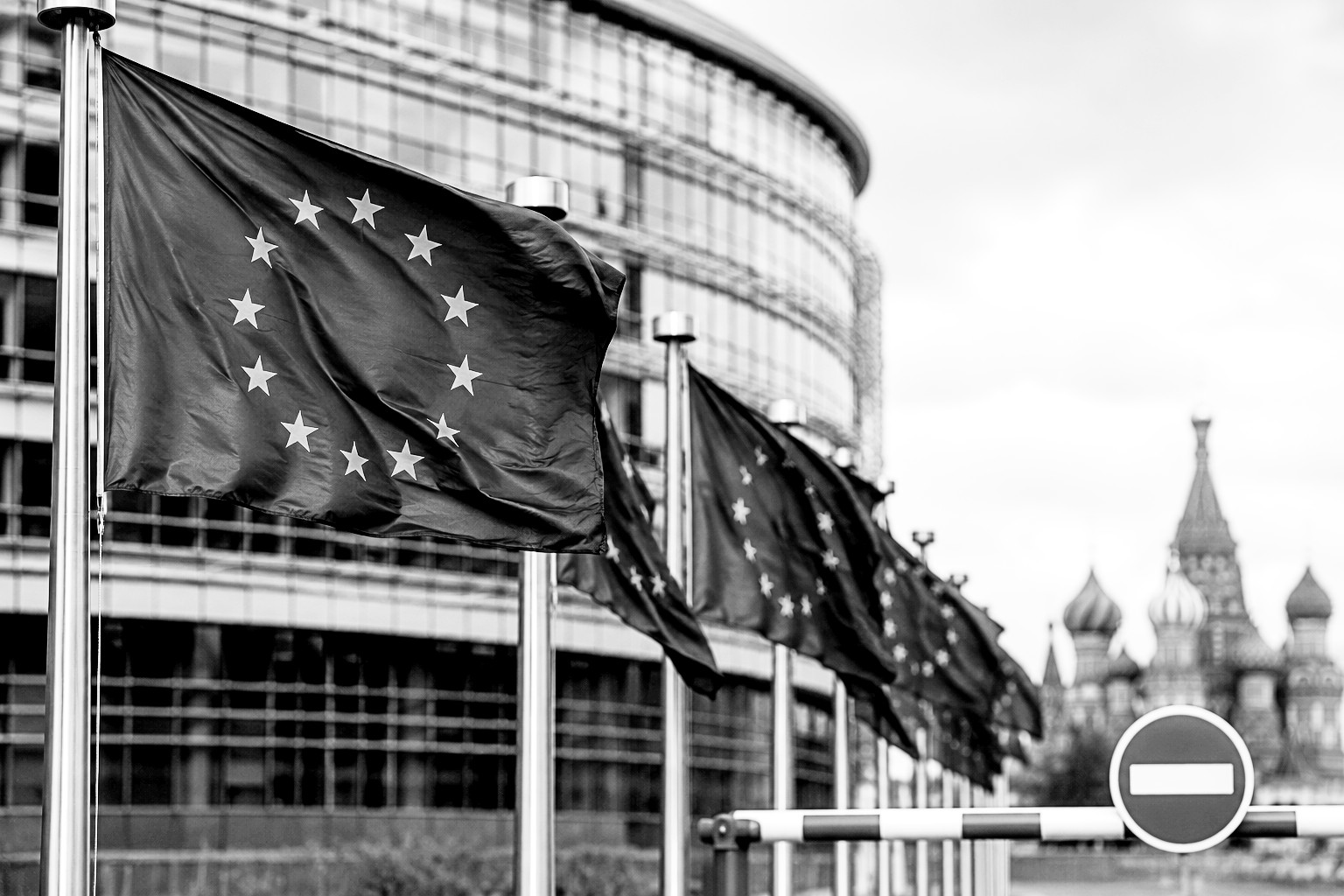
The European Union is preparing a fresh round of sanctions against Russia that would further tighten restrictions on Moscow’s military, financial sector and energy revenues. The proposed measures, which form the bloc’s 21st sanctions package since Russia’s full-scale invasion of Ukraine in 2022, include plans to ban Russian military personnel from entering EU territory and expand restrictions on banks, cryptocurrency operators and strategic oil assets.
European officials say the latest package is designed to increase economic pressure on the Kremlin while limiting its ability to finance military operations in Ukraine. The sanctions proposal comes as fighting continues along several fronts and diplomatic efforts to reach a negotiated settlement remain stalled.
Russian military personnel face new travel restrictions

One of the most notable elements of the package is a proposed ban preventing Russian soldiers and military personnel involved in the war from entering the European Union. EU policymakers argue that individuals directly participating in military operations should not have access to the bloc’s travel and residency privileges.
The proposal would complement existing sanctions already imposed on Russian political leaders, military commanders and individuals linked to the defence sector.
Banks and crypto firms in focus
The European Commission is also seeking to expand restrictions on Russian financial institutions and entities accused of helping Moscow bypass previous sanctions. Several banks could face additional limitations on access to international financial systems, while cryptocurrency companies suspected of facilitating sanctions evasion may also be targeted.
European officials have increasingly expressed concern that digital assets and alternative payment channels are being used to circumvent restrictions imposed since 2022. Strengthening oversight of cryptocurrency transactions has therefore become a growing priority for regulators across the bloc.
Oil revenues remain a strategic target
Energy remains at the centre of EU sanctions policy. The latest measures are expected to target Russian oil-related assets and reserves that contribute to state revenues. Brussels believes limiting Moscow’s energy earnings remains one of the most effective ways to weaken the Kremlin’s ability to sustain long-term military operations.
While Russian oil exports have continued despite extensive sanctions, European leaders argue that tightening enforcement mechanisms can further reduce revenue flows and increase economic pressure on the Russian state.
Mixed views within Europe
The proposed sanctions package is expected to receive broad support among most EU member states, although debates continue regarding the effectiveness of additional restrictions after more than four years of sanctions. Some policymakers advocate even tougher measures, while others stress the need to minimise unintended impacts on European businesses and energy markets.
Russia has repeatedly dismissed Western sanctions as ineffective and has sought to deepen economic ties with countries outside Europe. Nevertheless, EU officials maintain that the cumulative impact of sanctions continues to constrain Russia’s access to capital, technology and international markets.
As discussions continue in Brussels, the latest package underscores the European Union’s determination to maintain pressure on Moscow while reaffirming its long-term support for Ukraine.
Newshub Editorial in Europe – June 10, 2026

If you have an account with ChatGPT you get deeper explanations,
background and context related to what you are reading.
Open an account:
Open an accountThe European Union is preparing a fresh round of sanctions against Russia that would further tighten restrictions on Moscow’s military, financial sector and energy revenues. The proposed measures, which form the bloc’s 21st sanctions package since Russia’s full-scale invasion of Ukraine in 2022, include plans to ban Russian military personnel from entering EU territory and expand restrictions on banks, cryptocurrency operators and strategic oil assets.
Recent Comments