
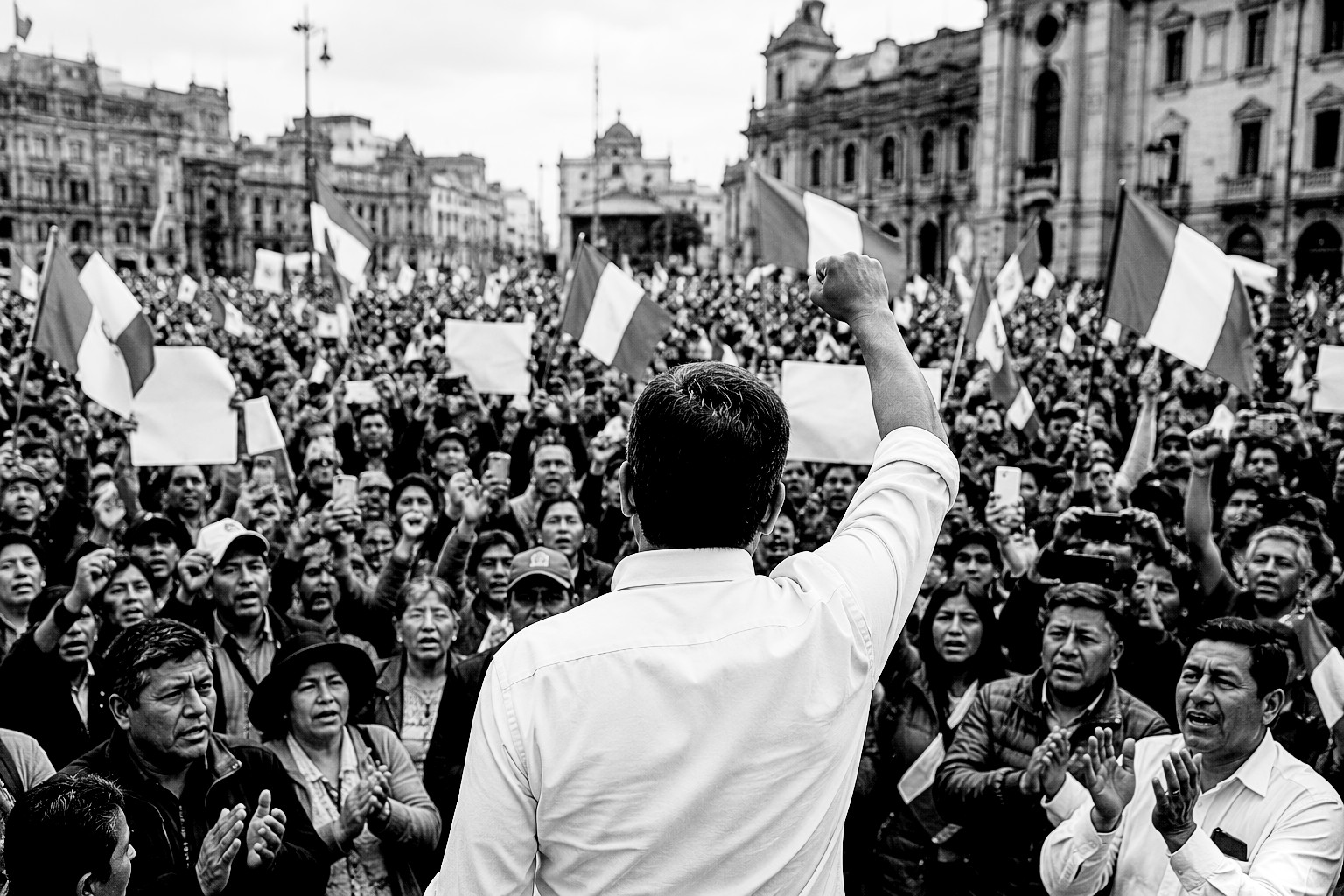
Left-wing candidate Sánchez has emerged as the early frontrunner in Peru’s closely watched presidential election, reflecting the country’s deep political divisions and growing public frustration over economic inequality, corruption scandals, and years of political instability.
Preliminary results indicated that Sánchez secured a narrow lead over rival candidates as votes continued to be counted across the South American nation. Election officials cautioned that the final outcome remains uncertain, particularly given the close margins and the possibility of a second-round runoff.
The vote is widely viewed as a referendum on Peru’s political establishment, which has faced repeated crises over the past decade. The country has seen multiple presidents removed, impeached, resign, or face criminal investigations, undermining public confidence in government institutions.

A divided electorate
Sánchez’s campaign has centred on promises to reduce inequality, strengthen social programmes, expand public investment, and increase state involvement in strategic sectors of the economy. The message appears to have resonated with voters in rural regions and lower-income communities seeking greater economic support.
However, critics argue that some of the candidate’s proposals could discourage investment and place additional pressure on Peru’s public finances.
Supporters view Sánchez as an opportunity for political renewal, while opponents warn against policies they believe could weaken economic growth and investor confidence.
Economic concerns dominate campaign
Peru remains one of the world’s largest producers of copper, silver, and other critical minerals, making the mining sector a central issue in the election campaign.
Voters have expressed concerns about rising living costs, uneven economic development, public security, and access to healthcare and education. While Peru’s economy has shown resilience in recent years, many citizens say the benefits of growth have not been distributed equally.
Analysts note that dissatisfaction with traditional political parties has created opportunities for candidates presenting themselves as alternatives to the established system.
Markets watching closely
Financial markets are monitoring the election outcome for indications of future economic policy. Investors are particularly focused on potential changes affecting mining, taxation, foreign investment, and public spending.
Business leaders have called for stability regardless of the final result, emphasising the importance of maintaining confidence in Peru’s institutions and economic framework.
The country’s strategic role as a major supplier of minerals used in renewable energy technologies has further increased international interest in the election.
Uncertainty remains
With counting still underway and political tensions remaining high, Peru faces another critical moment in its democratic journey. The election outcome will help determine the direction of one of Latin America’s most important economies at a time when the region is experiencing significant political and economic change.
Whether Sánchez can convert the early lead into a final victory remains uncertain, but the result so far underscores the deep divisions and competing visions shaping Peru’s future.
Newshub Editorial in South America – 9 June 2026

If you have an account with ChatGPT you get deeper explanations,
background and context related to what you are reading.
Open an account:
Open an accountLeft-wing candidate Sánchez has emerged as the early frontrunner in Peru's closely watched presidential election, reflecting the country's deep political divisions and growing public frustration over economic inequality, corruption scandals, and years of political instability.
Recent Comments