
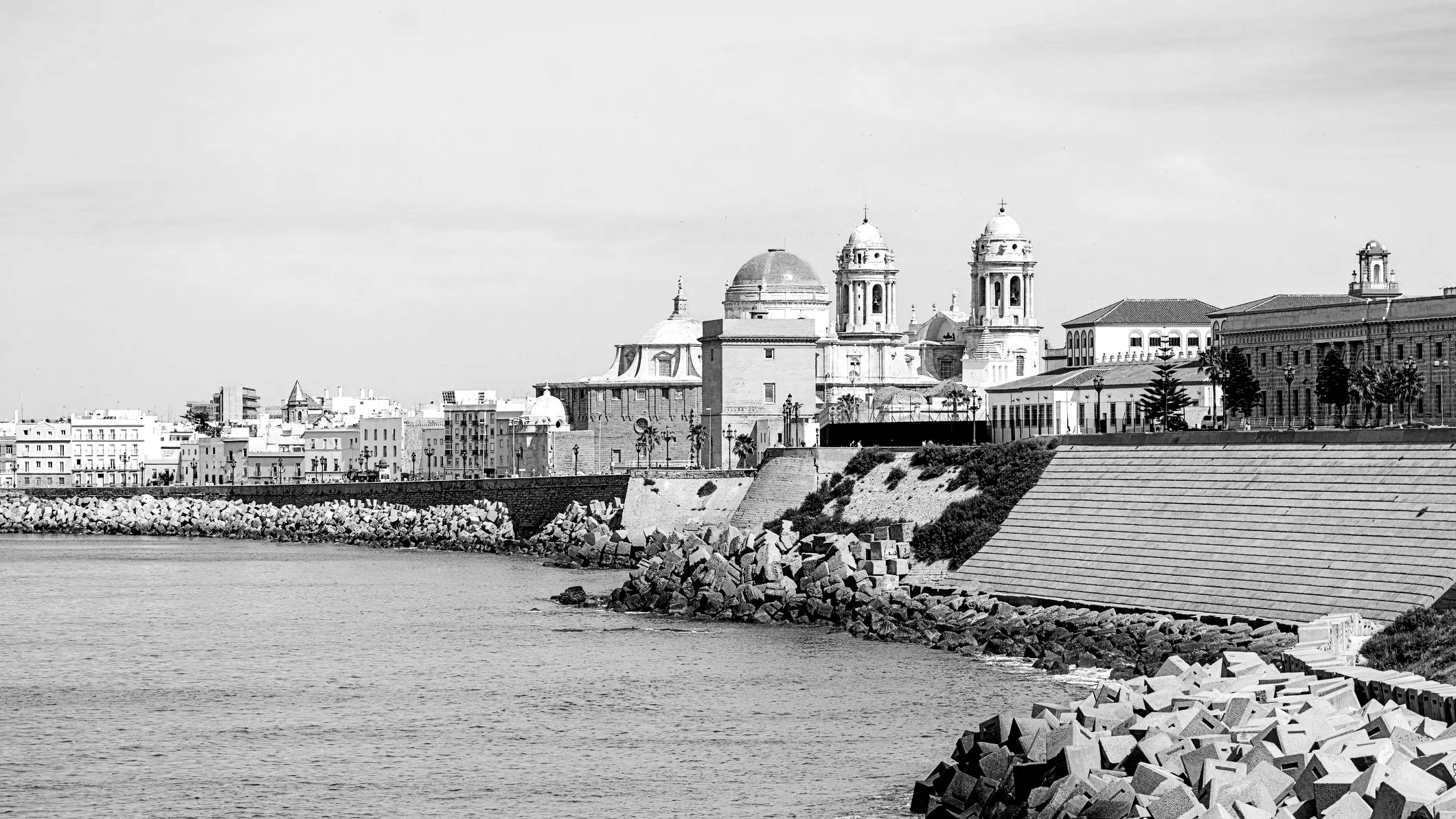
On 9 May 1502, Italian explorer Christopher Columbus departed from Cádiz on what would become his fourth and final voyage across the Atlantic. Backed once again by the Spanish Crown, Columbus remained convinced that a western sea route to Asia could still be found, despite years of mounting criticism, political setbacks and growing evidence that the lands he had reached were part of an entirely different continent.
The expedition marked the last chapter in one of history’s most transformative and controversial eras of exploration. Columbus had already completed three previous voyages under the authority of the Catholic Monarchs of Spain, opening sustained European contact with the Americas. By 1502, however, his standing had weakened considerably. Political disputes in the Caribbean, accusations of mismanagement and increasing competition from other explorers had diminished his influence at court.
A final attempt to reach Asia

Columbus left Spain with four ships and around 140 men, aiming to locate a strait through Central America that he believed would lead directly to the Indian Ocean and the wealthy markets of Asia. His mission reflected the enduring geographical misunderstanding of the era. Although previous voyages had revealed vast new territories, Columbus continued to insist that the islands and coastlines he encountered were connected to Asia.
The fleet crossed the Atlantic and eventually explored parts of present-day Honduras, Nicaragua, Costa Rica and Panama. During the journey, Columbus encountered violent storms, difficult coastal conditions and deteriorating ships. The voyage became increasingly dangerous as tropical weather, shipworm damage and supply shortages weakened the expedition.
Harsh conditions and declining health
The fourth voyage proved physically and mentally exhausting for Columbus. He suffered from worsening illness, likely including arthritis and chronic pain, while tensions among the crew intensified. Several ships became unseaworthy, eventually forcing the expedition to seek refuge in Jamaica in 1503.
There, Columbus and his men remained stranded for more than a year before rescue ships arrived from Hispaniola. The prolonged isolation highlighted the declining authority of the explorer, who now relied heavily on local support and fragile political connections to survive.
Although the voyage failed to uncover a route to Asia, it contributed to European understanding of Central America’s geography and demonstrated the scale of the unknown territories west of Europe.
A legacy that reshaped the world
Columbus returned to Spain in 1504, exhausted and politically sidelined. He died two years later still believing he had reached the fringes of Asia rather than an entirely separate landmass.
Historians continue to debate his legacy. Supporters long portrayed Columbus as a pioneering navigator who helped connect continents and reshape global trade. Critics point to the devastating consequences of European colonisation that followed, including violence, disease and exploitation inflicted upon Indigenous populations across the Americas.
Regardless of interpretation, the fourth voyage from Cádiz remains a defining moment in the Age of Exploration. It symbolised both the persistence of medieval geographical assumptions and the beginning of a new global era that transformed commerce, empires and human history forever.
Newshub Editorial in Europe – May 9, 2026

If you have an account with ChatGPT you get deeper explanations,
background and context related to what you are reading.
Open an account:
Open an account
Recent Comments