
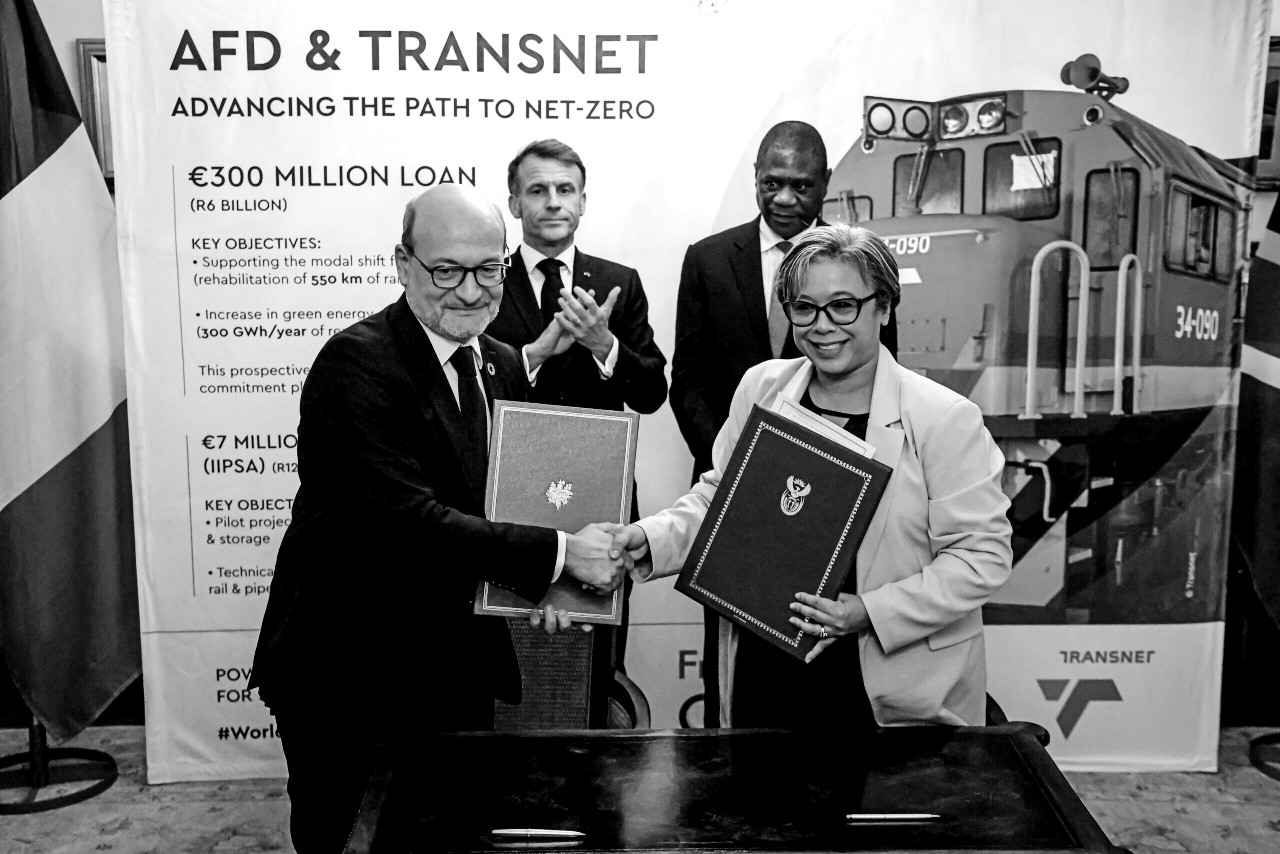
French institutional investors and business groups are increasing their involvement across Africa as economic partnerships between France and African nations enter a new phase shaped less by post-colonial influence and more by commercial strategy, entrepreneurship and long-term growth opportunities. The shift reflects a broader diplomatic and financial reset taking place between Paris and several African economies after years of political tension and changing regional alliances.
Investment strategy moves beyond old influence model
French financial institutions, private equity groups and development-focused investment funds have expanded their activity in sectors including fintech, renewable energy, agriculture, logistics and digital infrastructure across Africa during the past year.
The latest wave of investment signals a departure from the older France-Africa relationship often associated with state influence, political dependency and tightly controlled economic networks. Instead, investors are increasingly targeting local entrepreneurship, regional partnerships and high-growth private-sector opportunities.

French investors have shown growing interest in markets including Senegal, Côte d’Ivoire, Kenya, Nigeria, Rwanda and Morocco, where younger populations, digital adoption and infrastructure demand continue attracting international capital.
Analysts said the shift reflects both changing African expectations and the recognition within France that future influence will depend more heavily on economic cooperation and investment rather than historical political relationships.
African entrepreneurship attracting new capital
A major focus for French investment groups has been Africa’s expanding technology and start-up ecosystem. Mobile banking, digital payments, logistics platforms and renewable energy projects continue drawing attention from European investors seeking exposure to fast-growing emerging markets.
French development finance institutions and venture capital groups have increasingly partnered with local entrepreneurs rather than relying exclusively on state-linked projects or traditional multinational structures.
Several investment firms have also expanded support for small and medium-sized enterprises, particularly businesses linked to financial inclusion, agricultural processing and regional trade.
The trend comes as Africa’s digital economy continues expanding rapidly, driven by smartphone adoption, mobile payments and growing internet access across both urban and rural areas.
Observers noted that younger African entrepreneurs increasingly prefer investment partnerships that provide operational support, technology access and market expansion opportunities rather than politically driven financing arrangements.
Diplomatic tensions reshape economic relationships
The renewed investment activity follows several years of diplomatic strain between France and parts of Africa, particularly in West Africa where military coups, anti-French protests and security disagreements weakened Paris’ traditional regional influence.
Countries including Mali, Burkina Faso and Niger have moved away from longstanding defence relationships with France, forcing policymakers and investors to reconsider how future engagement with Africa should operate.
French officials and business leaders have increasingly acknowledged that economic cooperation must become more balanced, commercially driven and locally integrated to remain sustainable.
At the same time, competition for influence in Africa has intensified. China, Gulf states, Turkey, India and Russia have all expanded their commercial and strategic presence across the continent during recent years.
This has encouraged French investors to focus more heavily on practical investment partnerships, infrastructure financing and entrepreneurship-led growth sectors where long-term demand remains strong.
Africa positioned as long-term growth market
Many French institutions now view Africa less as a geopolitical sphere of influence and more as one of the world’s most important future growth regions. Population expansion, urbanisation, industrialisation and digital adoption continue creating large-scale demand across multiple sectors.
Investors said the success of future France-Africa relations will likely depend on economic credibility, local partnerships and mutual commercial benefit rather than historical ties alone.
Analysts noted that while political sensitivities surrounding France’s role in Africa remain significant, the current investment trend reflects a broader transformation taking place in how European capital approaches African growth opportunities.
Newshub Editorial in Africa – May 7, 2026

If you have an account with ChatGPT you get deeper explanations,
background and context related to what you are reading.
Open an account:
Open an account
Recent Comments