
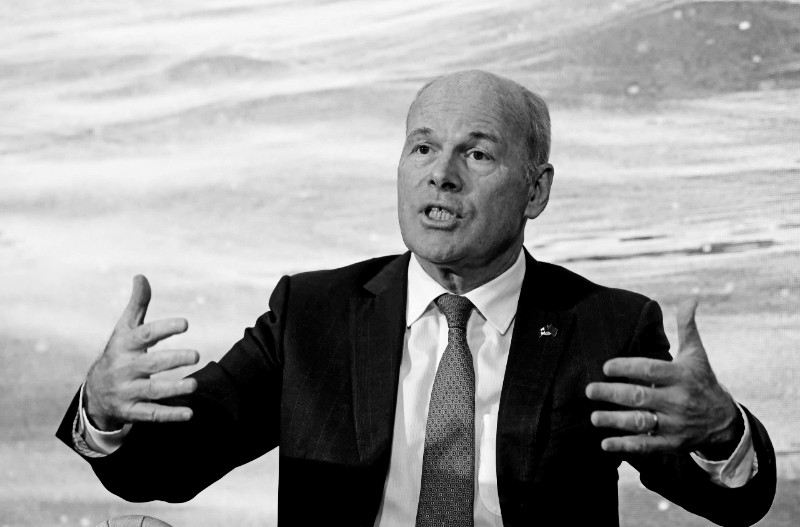
Canada is strengthening its nuclear energy cooperation with Vietnam as both countries explore long-term partnerships linked to energy security, industrial growth and carbon reduction goals. From Canada’s historic CANDU reactor expertise to the next generation of small modular reactors (SMRs), the relationship reflects growing international interest in nuclear power as governments search for reliable low-carbon energy solutions.
Nuclear energy returns to strategic focus
Rising electricity demand, industrial expansion and global net-zero targets have pushed nuclear energy back into the centre of long-term energy planning in several regions, including Asia.
Vietnam, one of Southeast Asia’s fastest-growing economies, faces increasing pressure to secure stable electricity supplies capable of supporting manufacturing, urbanisation and digital infrastructure growth over the coming decades.

Canada, meanwhile, continues positioning itself as a global nuclear technology partner through its advanced reactor expertise, uranium resources and integrated nuclear supply chain.
The growing cooperation between the two countries reflects broader international momentum surrounding nuclear energy as governments seek alternatives capable of reducing dependence on fossil fuels while maintaining reliable baseload electricity generation.
Canada promotes decades of nuclear expertise
Canada has long been recognised for its development of CANDU reactor technology, a heavy-water reactor system exported internationally for decades.
Canadian nuclear expertise extends across uranium mining, reactor design, fuel technology, engineering services and nuclear regulation. The country also remains one of the world’s major uranium producers, strengthening its role within the broader global nuclear industry.
In recent years, Canada has accelerated investment into small modular reactor development. SMRs are designed to provide smaller-scale, flexible nuclear generation with lower construction requirements compared with traditional large reactors.
Canadian policymakers and industry groups increasingly view SMRs as a major future export opportunity, particularly for developing economies seeking stable low-carbon energy without the massive infrastructure demands associated with conventional nuclear plants.
Vietnam evaluates long-term energy needs
Vietnam continues experiencing rapid industrial growth, urban expansion and increasing electricity consumption linked to its emergence as a major regional manufacturing hub.
The Vietnamese government has expanded investments into renewable energy including solar and wind power, but policymakers also recognise the challenges associated with grid stability and long-term energy reliability.
Analysts said nuclear energy may gradually return to Vietnam’s strategic energy discussions as the country evaluates how to meet future demand while reducing carbon emissions.
Canadian officials and industry representatives have increasingly highlighted how SMR technology could potentially support Vietnam’s long-term industrial development, regional energy diversification and decarbonisation objectives.
SMRs gaining global attention
Small modular reactors have attracted growing international attention because they can potentially be deployed faster and more flexibly than traditional nuclear plants.
Supporters argue that SMRs may become particularly important for emerging economies, remote industrial regions and countries seeking stable low-emission electricity generation alongside renewable energy systems.
Critics, however, continue raising concerns surrounding regulatory approval, financing costs, waste management and long-term deployment economics.
Despite these debates, multiple governments including Canada, the United States, the United Kingdom and several Asian countries continue investing heavily in SMR research and commercialisation.
Analysts said the expanding dialogue between Canada and Vietnam reflects how nuclear cooperation is increasingly becoming part of broader economic, industrial and climate partnerships shaping future international energy policy.
Newshub Editorial in Asia – May 7, 2026

If you have an account with ChatGPT you get deeper explanations,
background and context related to what you are reading.
Open an account:
Open an accountCanada is strengthening its nuclear energy cooperation with Vietnam as both countries explore long-term partnerships linked to energy security, industrial growth and carbon reduction goals. From Canada’s historic CANDU reactor expertise to the next generation of small modular reactors (SMRs), the relationship reflects growing international interest in nuclear power as governments search for reliable low-carbon energy solutions.
Recent Comments