
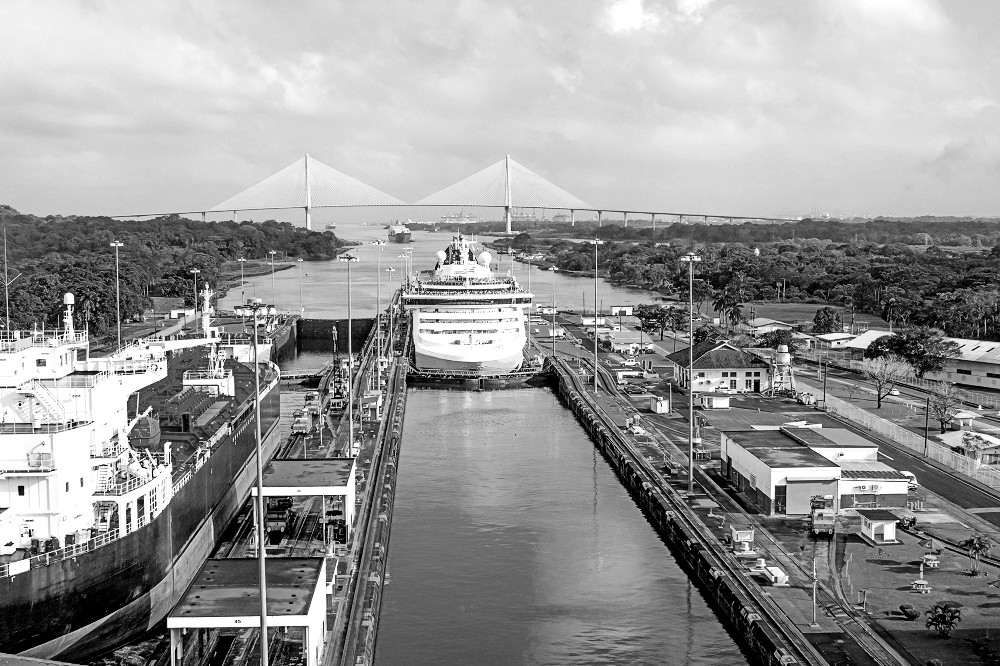
Prices for priority transit through the Panama Canal have surged to record levels, as the ongoing Iran war disrupts global energy flows and forces shipping companies to compete aggressively for limited passage slots.
Energy crisis reroutes global trade flows
The sharp rise in canal pricing is directly linked to the disruption of oil and gas supplies caused by the conflict involving Iran. The effective blockage of the Strait of Hormuz—through which around 20% of global oil supply typically passes—has forced buyers, particularly in Asia, to seek alternative sources of energy.
As a result, crude and liquefied natural gas shipments from the United States are increasingly being routed via the Panama Canal, significantly boosting demand for transit slots.

Auction prices surge to unprecedented levels
The Panama Canal’s auction system, used by shipping companies to secure last-minute transit slots, has seen dramatic price escalation. Recent bids for priority passage have reached as high as $4 million for a single vessel, far exceeding historical norms.
Average auction prices have also risen sharply, climbing from around $130,000 in previous months to several hundred thousand dollars, with some cases reaching multi-million-dollar levels as congestion intensifies.
The surge reflects a combination of urgency, high freight rates and limited capacity in one of the world’s most critical maritime chokepoints.
Canal operating at near capacity
Traffic through the Panama Canal has increased notably as global trade routes adjust to geopolitical disruption. The waterway is now operating close to full capacity, with daily transits frequently exceeding typical averages.
Shipping queues have lengthened, with vessels sometimes waiting several days for passage unless operators opt to pay premium auction fees to bypass delays.
Strategic importance intensifies
The canal, which connects the Atlantic and Pacific Oceans, has become a vital alternative route for energy shipments that would normally pass through the Middle East. Approximately 5% of global maritime trade flows through the Panama Canal, underscoring its strategic importance in times of disruption.
The current surge highlights how geopolitical shocks can rapidly reconfigure global logistics networks, elevating the value of critical infrastructure.
Broader economic implications
Higher transit costs are feeding through to global shipping rates, adding pressure to energy prices and supply chains. For import-dependent economies, particularly in Asia, the increased cost of securing energy supplies is likely to translate into higher inflation and industrial input costs.
At the same time, the shift in trade flows is reinforcing the role of the United States as a key energy supplier during the crisis.
Outlook tied to geopolitical developments
Future pricing dynamics in the Panama Canal will largely depend on the trajectory of the Iran conflict and the restoration of normal shipping through the Strait of Hormuz. Until then, elevated demand for alternative routes is expected to persist.
The record-high lane prices signal a broader reality: global trade infrastructure is increasingly sensitive to geopolitical shocks, with immediate and measurable economic consequences.
Newshub Editorial in Americas – April 23, 2026

If you have an account with ChatGPT you get deeper explanations,
background and context related to what you are reading.
Open an account:
Open an account
Recent Comments