
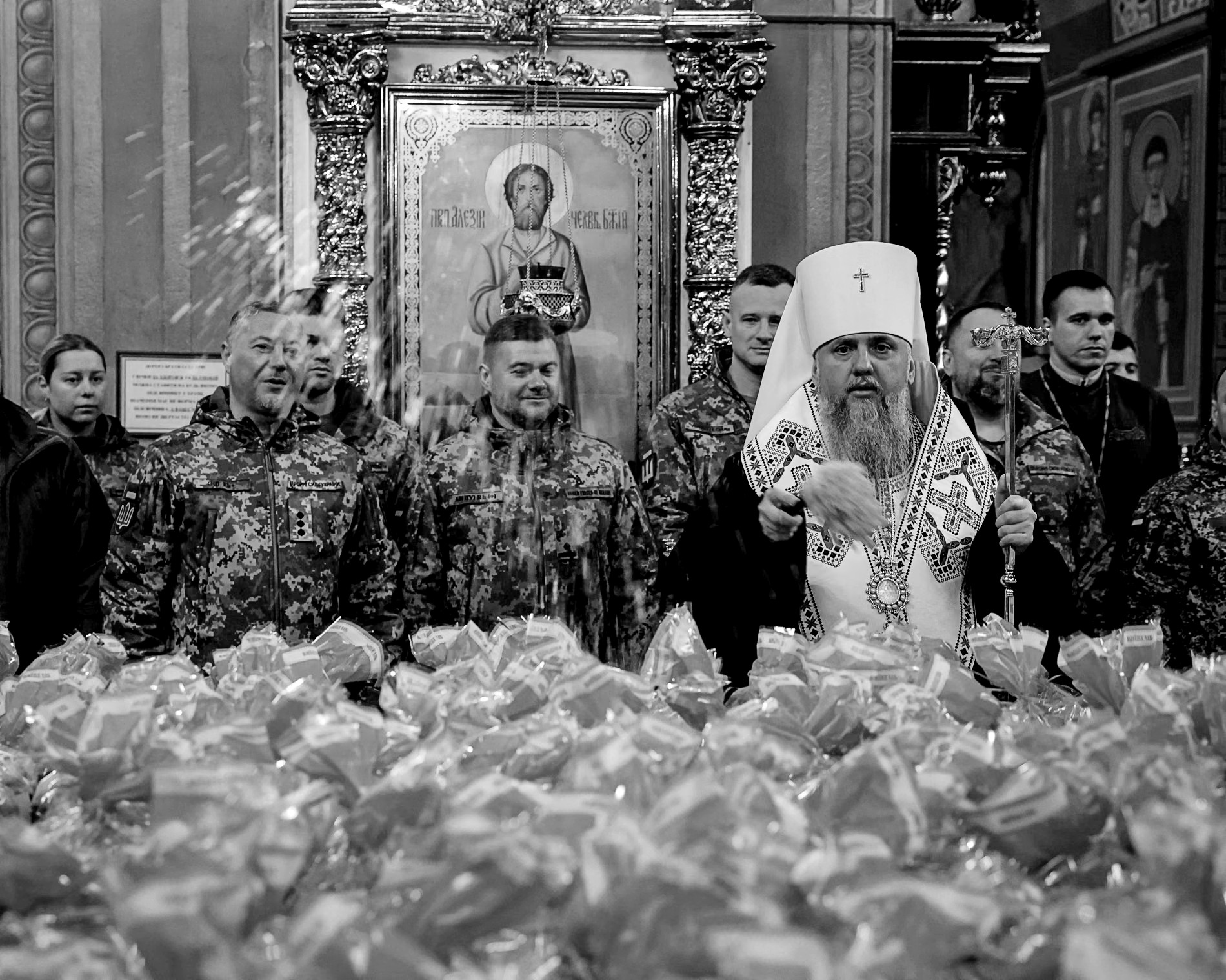
Doubts are mounting in Kyiv after Vladimir Putin ordered a temporary Orthodox Easter ceasefire, with Ukrainian officials questioning whether Moscow will honour its pledge to halt fighting for a 32-hour period.
A ceasefire announced amid ongoing conflict
The Kremlin has declared that Russian forces will pause military operations “in all directions” from Saturday afternoon through Sunday, aligning the truce with Orthodox Easter observances. The announcement comes more than 1,500 days into the war, at a time when both sides remain deeply entrenched and active across multiple фронts.
While Moscow has framed the move as a humanitarian gesture, the timing and unilateral nature of the announcement have prompted caution in Ukraine.

Kyiv questions credibility
Ukrainian authorities have responded with scepticism, pointing to previous ceasefire declarations that were either short-lived or not fully respected on the ground. President Volodymyr Zelenskyy has previously emphasised that any pause in fighting must be verifiable and mutual to carry real meaning.
Military officials in Kyiv have indicated that Ukrainian forces will remain vigilant, maintaining defensive readiness despite the announced truce. The concern is that a temporary pause could be used tactically, rather than as a genuine step toward de-escalation.
A war defined by distrust
The lack of trust between the two sides continues to shape every diplomatic or military development. Temporary ceasefires tied to religious or humanitarian events have occurred before in the conflict, but rarely led to sustained reductions in hostilities.
On the battlefield, conditions remain fluid, with ongoing engagements reported in eastern and southern regions. Even during declared pauses, localised fighting has historically persisted, reflecting the decentralised and high-intensity nature of the war.
Strategic calculations behind the pause
Analysts suggest that the ceasefire could serve multiple purposes for Moscow. It may aim to signal openness to de-escalation, influence international perception, or provide operational breathing space for forces on the ground.
For Ukraine, the decision is more complex. Agreeing to a pause carries risks if the opposing side does not fully comply, while rejecting it outright could have diplomatic consequences. The result is a cautious approach: neither full endorsement nor outright dismissal.
Limited expectations for lasting impact
Few observers expect the Easter ceasefire to alter the broader trajectory of the war. Without a structured agreement, monitoring mechanisms and mutual commitments, such pauses are unlikely to translate into longer-term stability.
Instead, the episode underscores the entrenched nature of the conflict, where even symbolic gestures are viewed through a lens of strategic calculation and deep mistrust.
A symbolic pause in a prolonged war
As Orthodox Easter unfolds, the declared ceasefire highlights the contrast between symbolic diplomacy and operational reality. Whether the truce holds even temporarily will be closely watched, but expectations remain low in Kyiv.
More than three years into the conflict, the war continues to be defined less by announcements and more by actions on the ground — where trust remains in short supply and peace elusive.
Newshub Editorial in Europe – April 11, 2026

If you have an account with ChatGPT you get deeper explanations,
background and context related to what you are reading.
Open an account:
Open an account
Recent Comments