
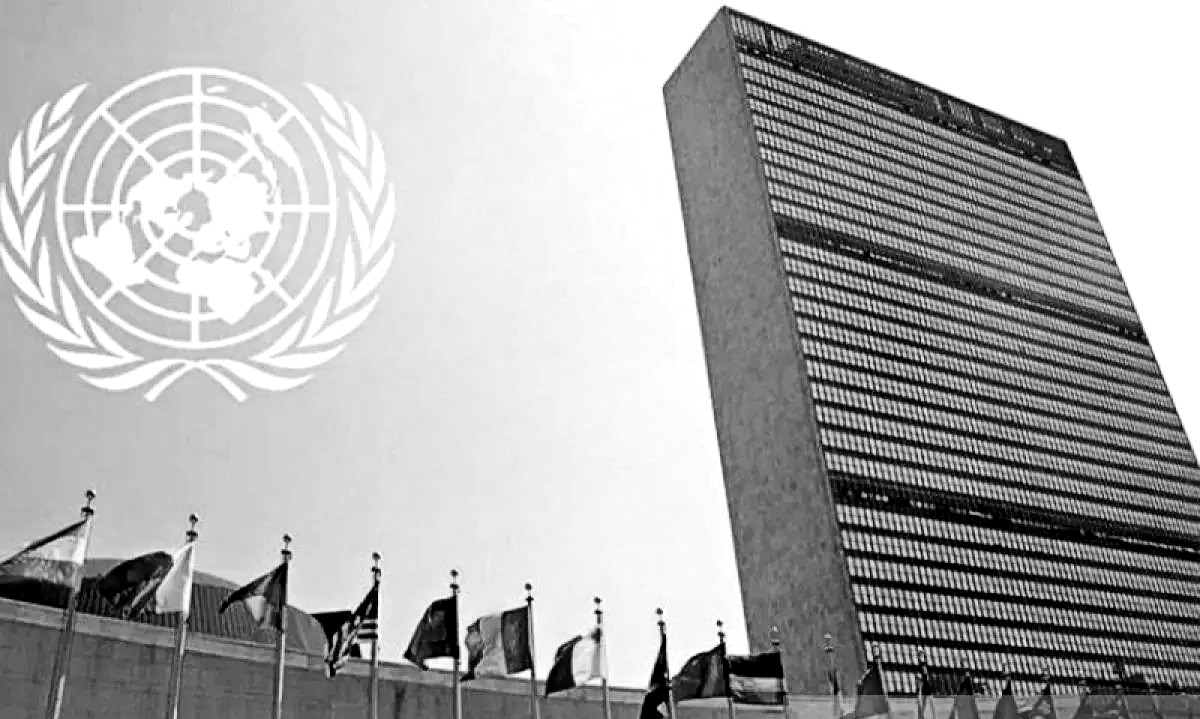
Indonesia has pushed back against what it describes as “double standards” in the global human rights framework, calling for a more balanced and consistent approach as geopolitical tensions increasingly shape international norms and enforcement.
A call for fairness and consistency
Officials in Indonesia have argued that human rights should be applied universally, rather than selectively based on political or strategic interests. The statement reflects growing frustration among emerging economies that global standards are unevenly enforced, particularly between developed and developing nations.
Indonesia’s position emphasises that credibility in the international system depends on consistency. Selective application, policymakers argue, risks undermining trust and weakening the legitimacy of global institutions.

Balancing sovereignty and accountability
The debate highlights a broader tension between national sovereignty and international accountability. Indonesia has long advocated for a framework that respects domestic contexts while still upholding core human rights principles.
This approach aligns with the country’s role as a leading voice within the Global South, where many governments are seeking greater influence in shaping international norms. The emphasis is not on rejecting human rights standards, but on ensuring they are applied without bias or political instrumentalisation.
Geopolitics reshaping the discourse
The issue comes at a time when global politics are increasingly polarised. Conflicts, economic rivalries and shifting alliances are influencing how human rights issues are raised and addressed on the international stage.
Indonesia’s stance reflects concerns that human rights debates are sometimes used as tools of geopolitical pressure rather than purely ethical or legal frameworks. This perception is particularly strong among emerging markets, where historical and developmental contexts differ significantly from those of Western economies.
A strategic position within ASEAN and beyond
As one of the largest economies in Southeast Asia, Indonesia plays a central role within regional organisations and international forums. Its position on human rights carries weight, particularly within ASEAN, where principles of non-interference and consensus are deeply embedded.
By advocating for a more balanced approach, Indonesia is positioning itself as a mediator between differing global perspectives — one that seeks to bridge the gap between universal standards and regional realities.
Implications for global governance
The rejection of perceived double standards adds to a broader conversation about reforming global governance structures. As emerging economies gain economic and political influence, calls for a more inclusive and equitable international system are becoming more prominent.
For human rights frameworks, this could mean greater emphasis on dialogue, cooperation and mutual accountability, rather than unilateral criticism or enforcement.
A shifting global narrative
Indonesia’s stance underscores a shift in the global narrative around human rights. Rather than a one-directional framework led by traditional powers, the debate is becoming more multipolar, with emerging economies asserting their perspectives and priorities.
As these discussions evolve, the challenge will be to maintain universal principles while adapting to a more complex and politically diverse world.
Newshub Editorial in Asia – April 11, 2026

If you have an account with ChatGPT you get deeper explanations,
background and context related to what you are reading.
Open an account:
Open an account
Recent Comments