
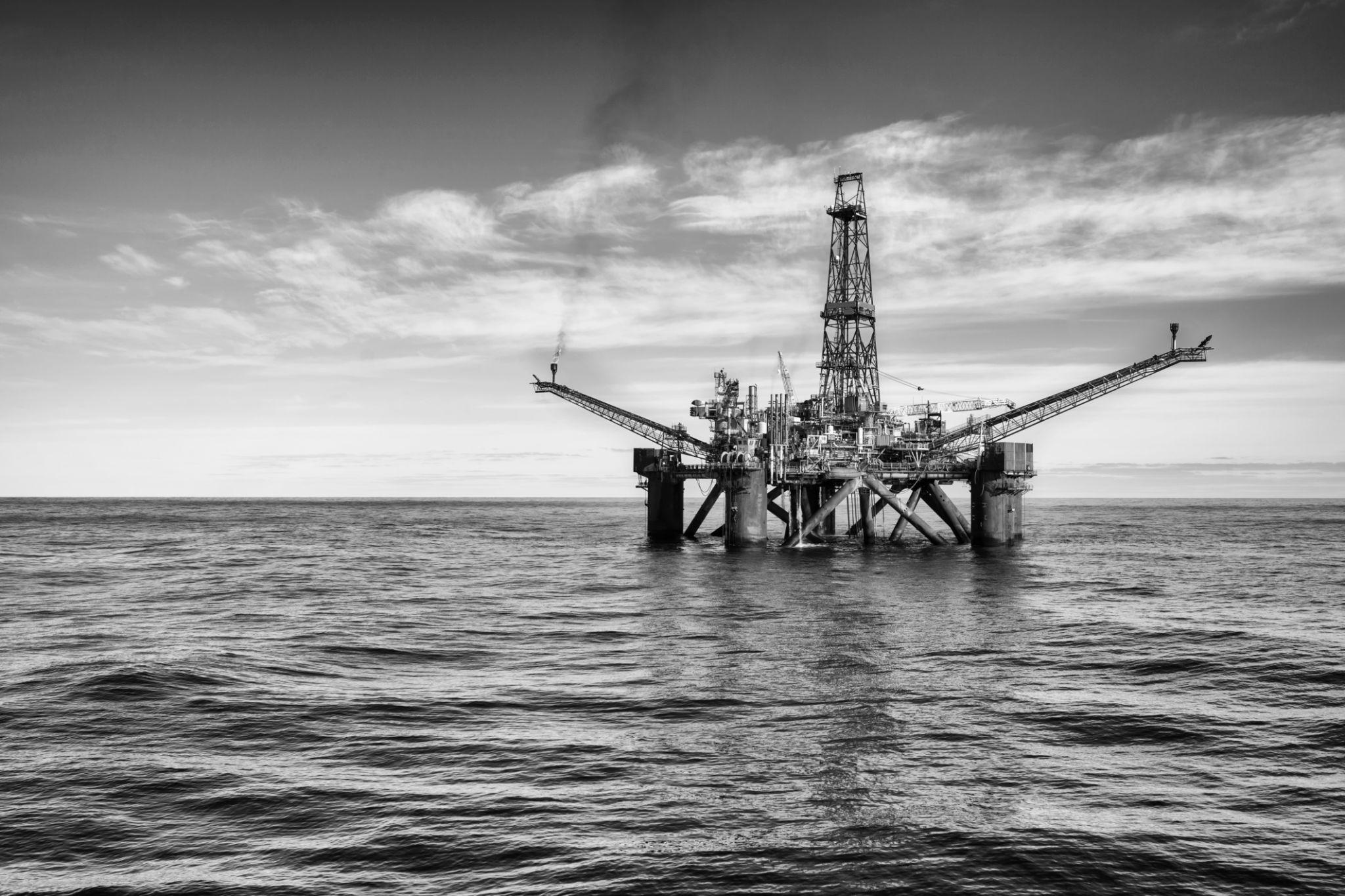
A surge in global oil prices is delivering a significant revenue windfall for Guyana, as the country rapidly expands its role as a major offshore crude producer. However, officials warn that the influx of oil income also brings rising risks, particularly inflation and overdependence on the energy sector.
Revenue gains driven by higher oil prices
Guyana has emerged as one of the fastest-growing oil producers globally, with offshore discoveries transforming its economic outlook. The recent increase in crude prices is expected to further boost government revenues, providing additional fiscal space for public investment and development.
According to the country’s finance leadership, higher oil income will support infrastructure, social programmes and long-term economic planning. The scale of revenue growth is substantial relative to the size of the economy, positioning Guyana as a key energy player in Latin America.

Balancing growth with macroeconomic stability
While the revenue surge presents clear opportunities, it also introduces significant macroeconomic challenges. Rapid inflows of foreign currency can put upward pressure on prices, contributing to inflation and potentially destabilising the broader economy.
Managing this balance has become a central focus for policymakers. Authorities are seeking to deploy oil revenues in a controlled manner to avoid overheating, while maintaining fiscal discipline and protecting economic stability.
Diversification remains a strategic priority
Despite the oil-driven growth, the government continues to emphasise the importance of economic diversification. Overreliance on a single commodity exposes the country to global price volatility and long-term structural risks.
Efforts are therefore underway to invest in non-oil sectors, including agriculture, infrastructure and services. The goal is to build a more resilient economic base that can sustain growth beyond the energy boom.
Risks of a resource-dependent economy
The experience of other resource-rich nations highlights the risks associated with sudden wealth from natural resources. These include currency appreciation, reduced competitiveness in other sectors and increased inequality if revenues are not managed effectively.
Guyana’s challenge will be to avoid these pitfalls by implementing strong governance frameworks and transparent management of oil income.
A defining moment for economic policy
The current oil price environment represents both an opportunity and a test for Guyana. The ability to translate short-term gains into long-term development will depend on policy execution and institutional strength.
For investors and observers, the country’s trajectory offers a case study in how emerging economies can navigate the opportunities and risks of resource-driven growth. As oil revenues continue to rise, the focus will remain on whether Guyana can convert its windfall into sustainable and inclusive economic progress.
Newshub Editorial in South America – April 10, 2026

If you have an account with ChatGPT you get deeper explanations,
background and context related to what you are reading.
Open an account:
Open an account
Recent Comments