
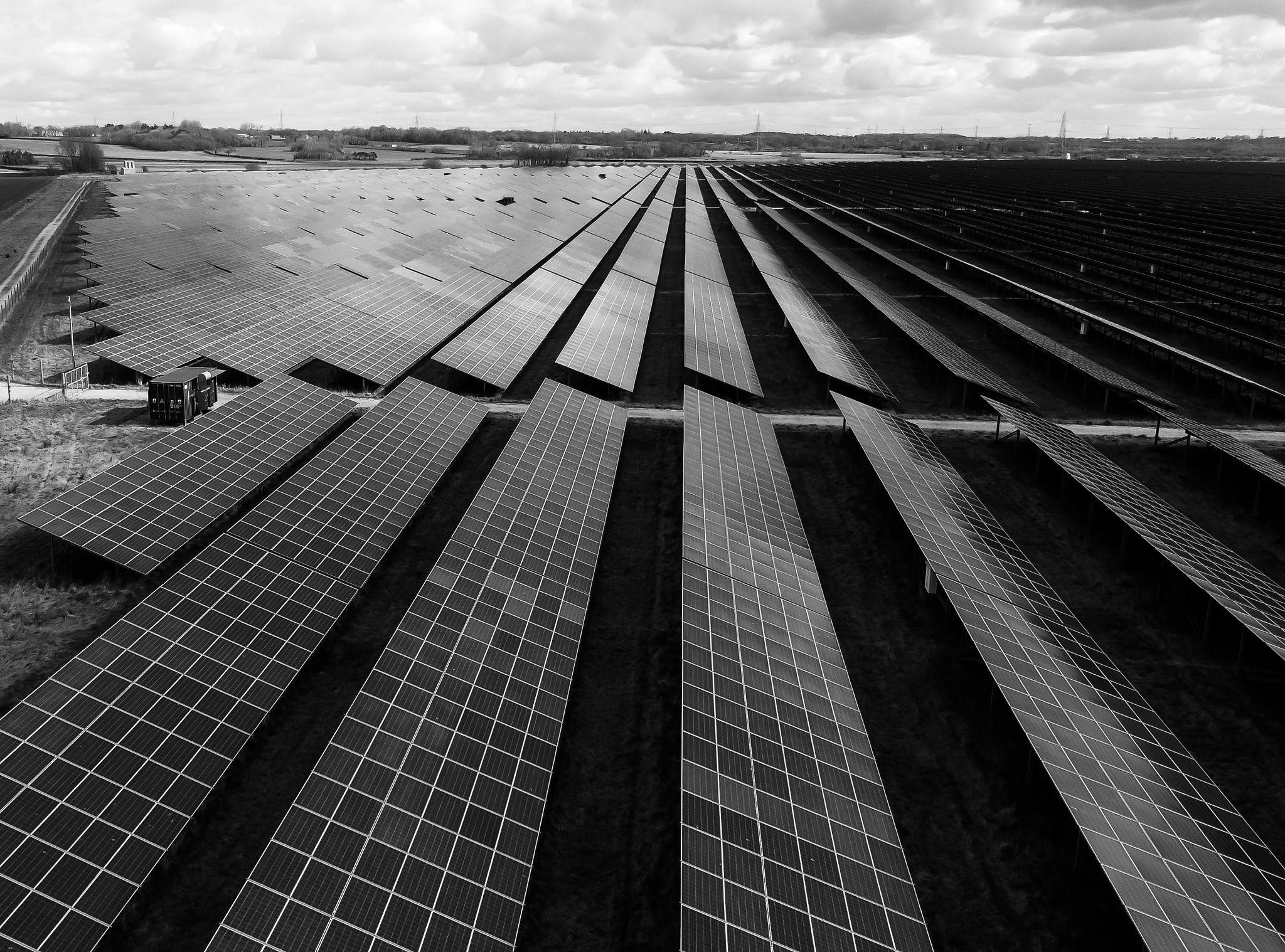
Indonesia-based steel producer Garuda Yamato Steel has launched a large-scale solar power plant as part of its strategy to accelerate the transition towards green steel production. The initiative marks a significant step in reducing carbon emissions within one of the world’s most energy-intensive industries.
A shift towards cleaner industrial energy
The new solar installation is designed to supply renewable energy directly to Garuda Yamato Steel’s production facilities, lowering reliance on fossil fuels and reducing overall emissions. Steel manufacturing has traditionally depended on coal and other carbon-heavy inputs, making decarbonisation a complex but increasingly urgent challenge.
By integrating solar power into its operations, the company is aligning with global trends that prioritise sustainability and energy transition within heavy industry.

Positioning within the green steel movement
Garuda Yamato Steel’s investment reflects a broader shift across the global steel sector, where producers are under growing pressure from regulators, investors and customers to cut emissions. Green steel—produced using renewable energy and lower-carbon processes—is emerging as a key focus area.
The move also positions the company competitively in markets where demand for sustainable materials is rising, particularly in construction, automotive and infrastructure projects.
Indonesia’s role in industrial decarbonisation
Indonesia, as a major industrial and resource-based economy, plays a critical role in the global transition towards lower-carbon production. Investments such as this solar plant demonstrate how emerging markets are beginning to integrate renewable energy into core industrial processes.
Government policy and international partnerships are expected to play an important role in scaling similar initiatives across the region.
Economic and environmental implications
The adoption of solar energy is expected to reduce operational costs over time, particularly as renewable technologies become more efficient and cost-competitive. At the same time, the environmental benefits include lower greenhouse gas emissions and reduced exposure to carbon pricing mechanisms that are being introduced in various markets.
For investors, the project signals a proactive approach to sustainability, which is increasingly linked to long-term value creation and risk management.
A step towards industrial transformation
While the transition to fully green steel remains a long-term process, the launch of this solar plant represents a tangible step forward. It highlights how industrial players are beginning to integrate renewable energy solutions into traditionally carbon-intensive sectors.
As global demand for low-carbon materials continues to grow, initiatives like this are likely to become more widespread, shaping the future of the steel industry.
Newshub Editorial in Asia – April 10, 2026

If you have an account with ChatGPT you get deeper explanations,
background and context related to what you are reading.
Open an account:
Open an account
Recent Comments