
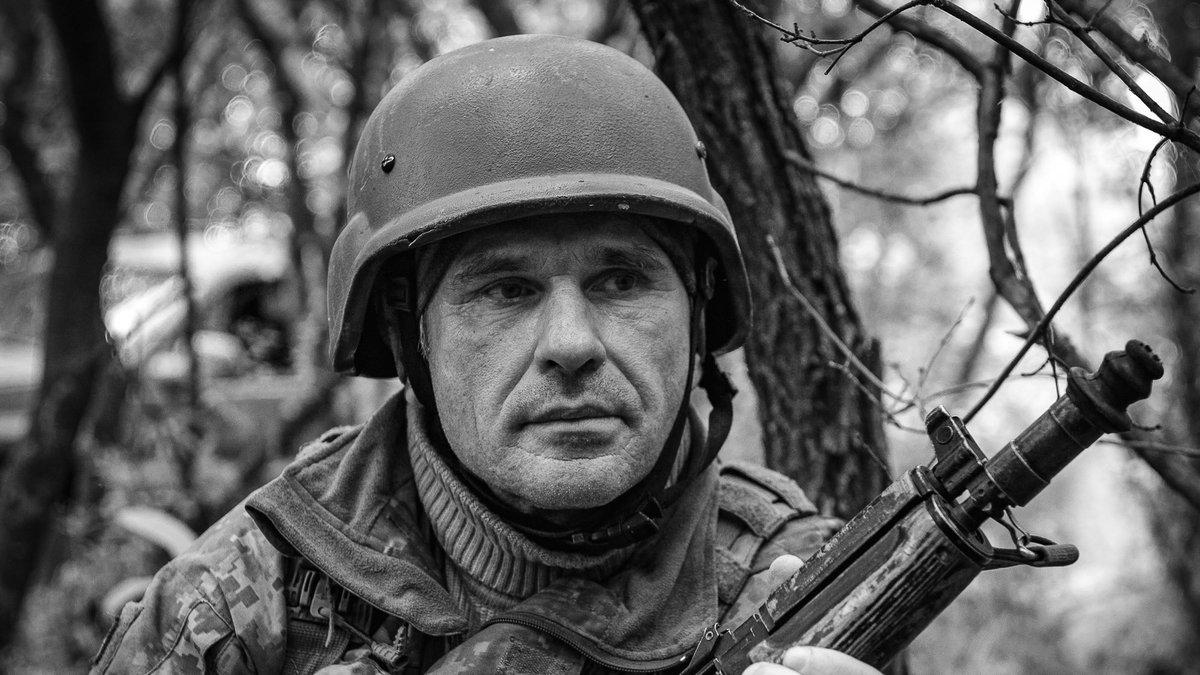
A temporary ceasefire in the Ukraine war has been officially agreed for the first time, following sustained diplomatic pressure from Volodymyr Zelenskyy. While Vladimir Putin has framed the Easter pause as a Russian initiative, the breakthrough comes after repeated public and private proposals from Kyiv. The development represents a rare moment of de-escalation in a conflict that has remained largely entrenched.
Competing narratives around the ceasefire
The ceasefire, timed to coincide with the Orthodox Easter period, has been presented differently by the two sides. Moscow has characterised the move as a unilateral humanitarian gesture, while Ukraine maintains that the pause is the result of consistent diplomatic efforts led by President Zelenskyy.
This divergence reflects the broader information battle that has accompanied the conflict, where both sides seek to control the narrative as much as the battlefield.

Zelenskyy’s diplomatic persistence
In recent months, Volodymyr Zelenskyy has repeatedly called for limited ceasefires, particularly around religious and humanitarian events. These proposals were initially dismissed or ignored, but continued pressure appears to have shifted the dynamics.
By maintaining a consistent diplomatic line, Kyiv has positioned itself as advocating de-escalation, which may have increased international pressure on Russia to respond.
Putin’s strategic positioning
For Vladimir Putin, presenting the ceasefire as a Russian initiative serves both domestic and international purposes. It allows Moscow to project an image of control and humanitarian consideration, while avoiding the perception of conceding to Ukrainian demands.
At the same time, analysts note that temporary pauses in fighting can offer tactical advantages, including the opportunity to regroup forces or reassess positions.
Implications for the conflict
While the ceasefire is limited in scope and duration, it carries symbolic weight. It demonstrates that negotiated pauses remain possible, even in a highly polarised conflict.
However, expectations for a broader or lasting peace remain low. Previous attempts at ceasefires have often been short-lived, with both sides accusing each other of violations.
For markets and geopolitical observers, the development may provide short-term relief, particularly in energy markets and regional risk assessments. Yet the underlying drivers of the conflict remain unresolved.
A fragile pause with limited certainty
The Easter ceasefire represents a rare alignment of diplomatic signalling and military restraint, even if only temporarily. Whether it leads to further negotiations or remains an isolated event will depend on the willingness of both sides to move beyond symbolic gestures.
For now, the agreement highlights both the potential for de-escalation and the persistent fragility of any progress in the Ukraine war.
Newshub Editorial in Europe – April 10, 2026

If you have an account with ChatGPT you get deeper explanations,
background and context related to what you are reading.
Open an account:
Open an account
Recent Comments